🔍 Executive Summary
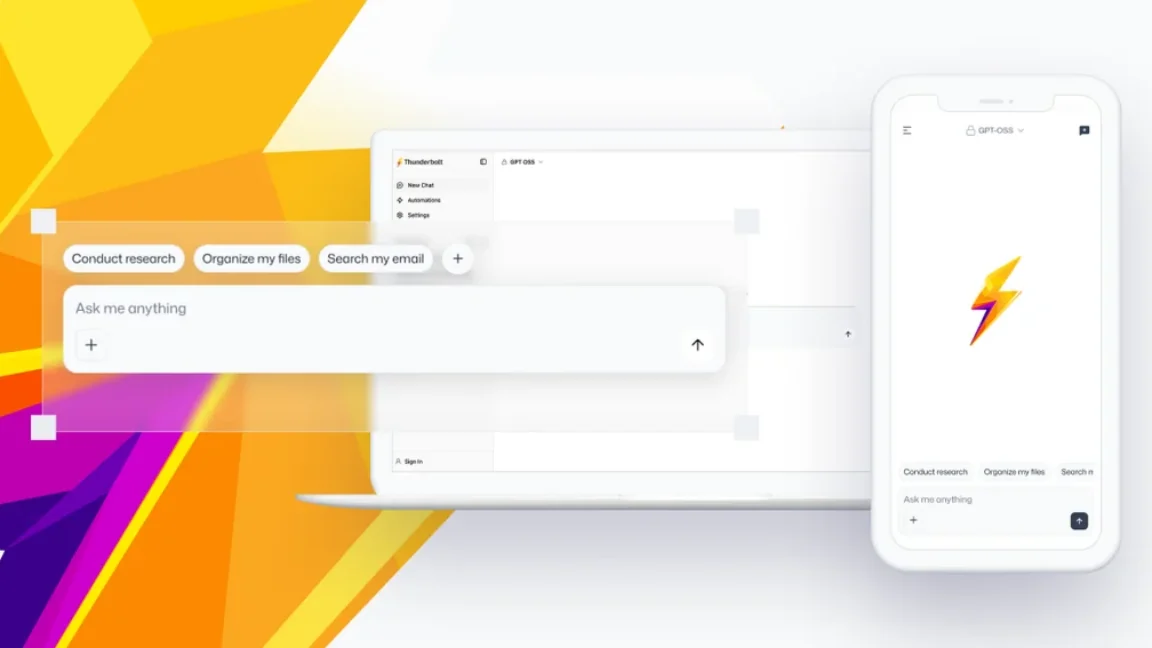
- Mozilla enters the enterprise AI fray with 'Thunderbolt,' a client designed to integrate seamlessly with deepset's Haystack platform, positioning itself as an open-source alternative to mainstream corporate AI providers.
Strategic Deep-Dive
Mozilla’s introduction of Thunderbolt marks a strategic and calculated entry into the increasingly crowded enterprise AI sector. By positioning Thunderbolt as a primary client for deepset’s Haystack platform, Mozilla is fostering an ecosystem that prioritizes modularity and open integration over the walled-garden approaches of major tech incumbents. Haystack, widely recognized for its robust orchestration of Large Language Model (LLM) pipelines and Retrieval-Augmented Generation (RAG), provides the perfect foundation for Mozilla to build a bridge between complex AI backend infrastructure and accessible enterprise user interfaces.
This move is less about competing on model size and more about competing on architectural freedom.
The technical significance of this integration lies in its ability to streamline the deployment of sophisticated AI applications within corporate environments that demand transparency. Thunderbolt serves as the conduit, allowing enterprises to connect their proprietary data and internal workflows directly to the Haystack framework without the need for custom, brittle integration code. This move is a direct challenge to mainstream enterprise AI providers who often lock customers into proprietary ecosystems that obscure the underlying data flow.
Mozilla is betting on the enterprise desire for transparency and flexibility—values that are core to its institutional identity but are now becoming essential for businesses navigating the ethical and practical complexities of AI implementation, including data privacy and auditability.
From a competitive standpoint, Mozilla’s strategy with Thunderbolt is to act as a neutral yet powerful alternative to the ‘Big Tech’ hegemony. As enterprises seek to scale their AI initiatives, they often face significant hurdles in data sovereignty and system interoperability. By leveraging an open platform like Haystack, Mozilla ensures that Thunderbolt users are not tied to a single model provider or cloud infrastructure.
This ‘open-first’ philosophy could attract a significant segment of the market—particularly in regulated industries like finance or healthcare—that is wary of the long-term implications of relying solely on the likes of OpenAI, Google, or Microsoft. In essence, Thunderbolt is more than just a client; it is a declaration that the enterprise AI future should be built on accessible, interoperable, and transparent foundations, where the client maintains granular control over the underlying platform connectivity and the model lifecycle.