🔍 Executive Summary
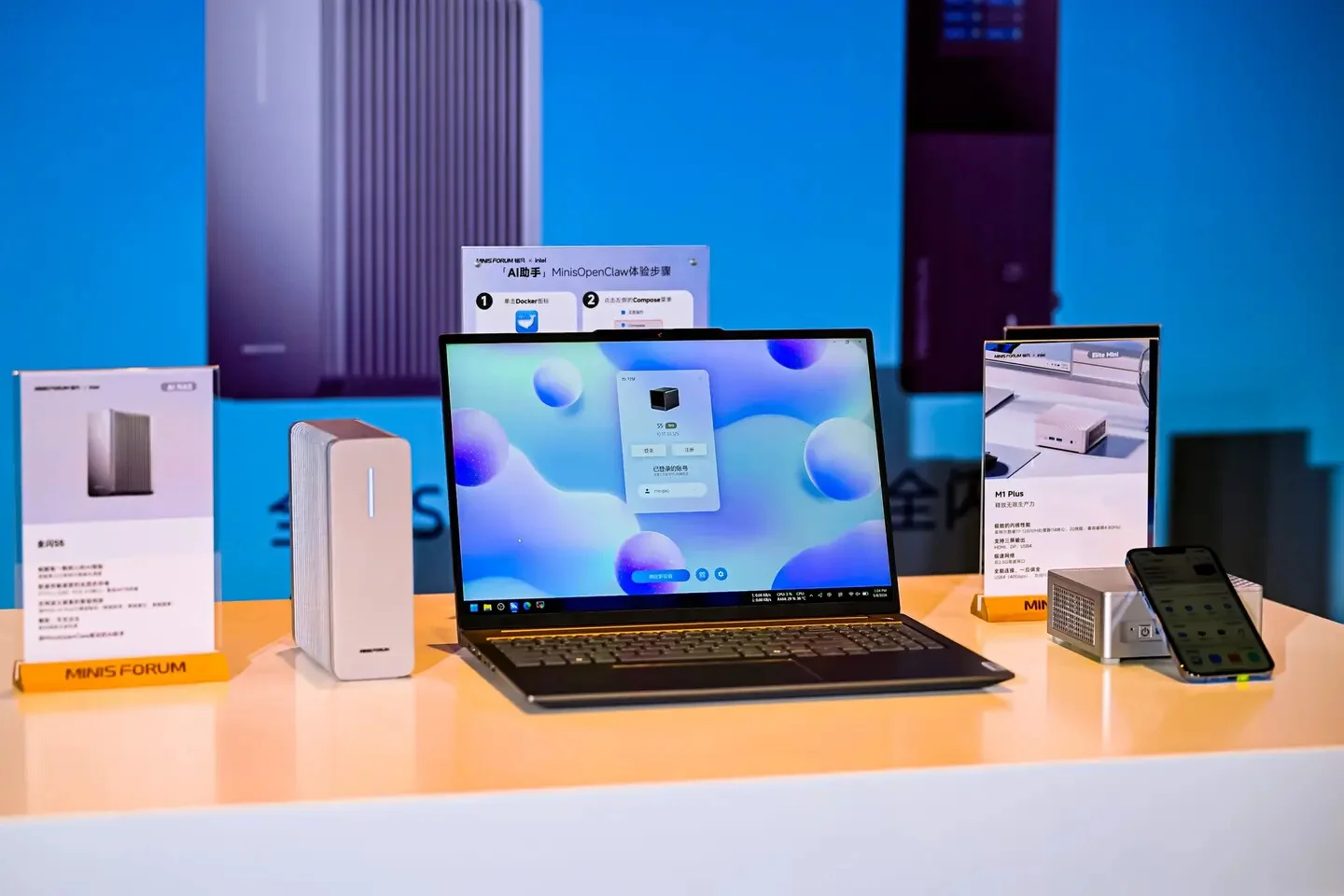
- Minisforum has introduced its new S5 and S7 all-flash NAS units, featuring the cutting-edge Intel Core Series 3 'Wildcat Lake' platform.
- The systems embrace a no-HDD philosophy, utilizing multiple M.2 2280 PCIe 4.0 x1 slots to maximize throughput and reliability.
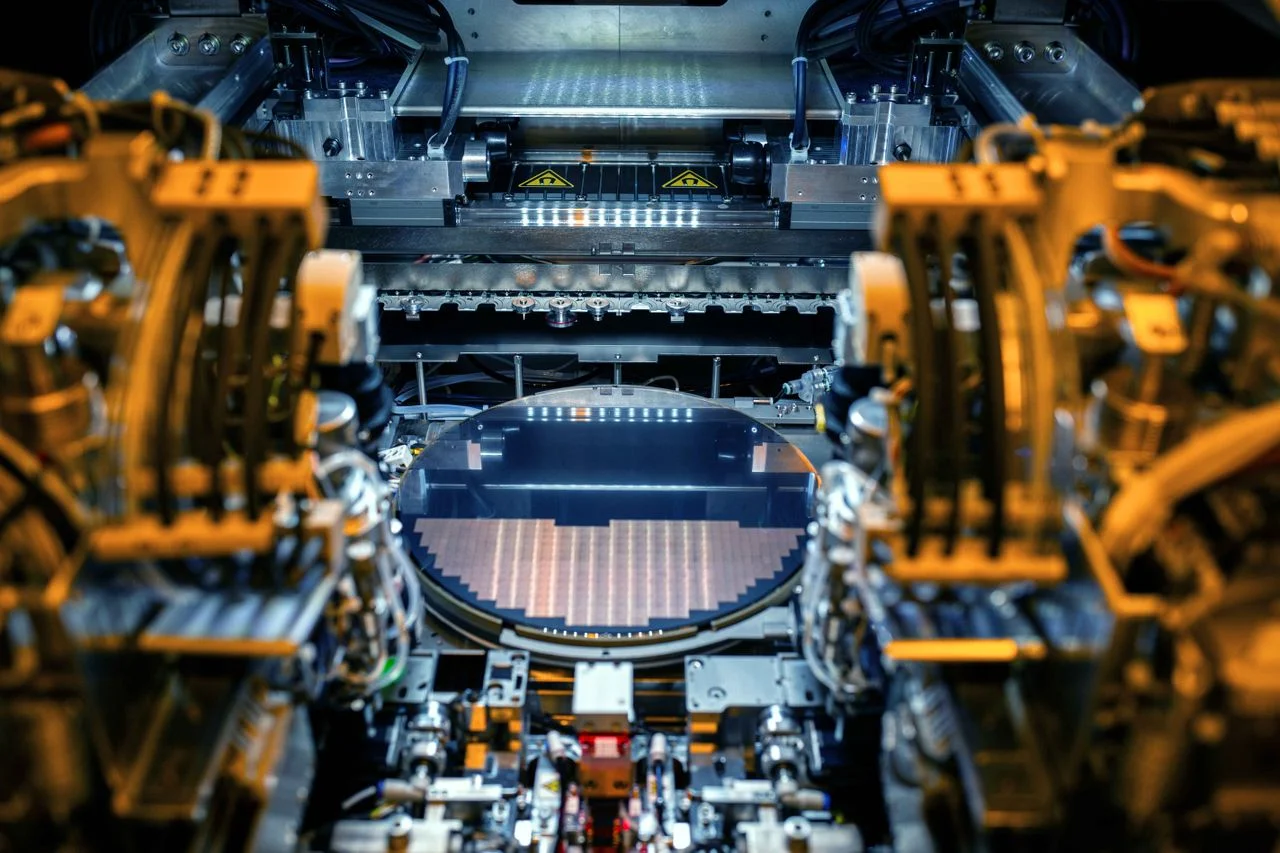
- Built on Intel's 18A process, these units are designed to bridge the gap between high-speed storage and compact edge computing requirements.
Strategic Deep-Dive
Minisforum, in collaboration with Intel, has officially unveiled its latest innovation in the network-attached storage market: the S5 and S7 all-flash NAS systems. These units represent a significant departure from traditional NAS designs by centering the entire architecture around the Intel Core Series 3 ‘Wildcat Lake’ processors, which are built on the state-of-the-art Intel 18A process node. The S5, in particular, stands out for its bold ’no-HDD’ approach.
By eschewing the 3.5-inch mechanical drive bays that have defined the industry for decades, Minisforum has optimized the S5 for raw speed and compact efficiency. However, a deep dive into the technical specifications reveals a critical constraint: the five M.2 2280 slots are configured as PCIe 4.0 x1 lanes. From a Data Systems Analyst perspective, this creates a distinct bandwidth ceiling.
While a standard PCIe 4.0 NVMe drive is capable of sequential reads up to 7,500 MB/s, a single x1 lane limits that throughput to approximately 1.97 GB/s. This 70% reduction in peak sequential performance per drive suggests that the S5 is optimized more for random I/O and low-latency access than for massive sequential file transfers. This design choice is likely a result of the I/O lane limitations inherent in the compact Wildcat Lake SoC, balancing the number of supported drives against total available PCIe lanes.
Despite this bottleneck, the transition to an all-flash architecture in the NAS segment is driven by the increasing demands of modern workloads that require near-instantaneous data access for edge computing and local AI inference. The use of Intel’s 18A process enhances these units by providing a superior performance-per-watt ratio, ensuring that the S5 and S7 can handle intensive data tasks without the thermal overhead typical of older manufacturing nodes. As edge computing continues to proliferate, the convergence of NVMe storage and advanced 18A-based silicon positions Minisforum at the forefront of a hardware revolution.
The S7 model expands this vision with a seven-bay configuration, catering to those who require the ultimate combination of capacity and flash-speed performance. Overall, the launch signifies a maturing of the all-flash NAS market, enabled by the technical milestones reached in Intel’s latest semiconductor roadmap, even if current SoC lane allocations force some compromises in per-drive peak bandwidth.