🔍 Executive Summary
- Turnkey CNC automation cells integrate robotics and chip management into a single unit, drastically reducing manual operator interaction to combat rising labor pressures in manufacturing.
Strategic Deep-Dive
The Strategic Pivot: From Manual Planning to Forced Automation
In the contemporary industrial landscape, the decision to implement a CNC turnkey automation system is rarely a proactive choice found on a shop owner’s initial long-term planning calendar. Instead, it is a strategic pivot forced by the mounting, irreversible pressure of global labor shortages. As the manufacturing sector struggles to find, train, and retain skilled operators, the traditional human-centric approach to CNC machining has reached a breaking point.
This shift marks a transition from manual operations toward integrated technological ecosystems where the machine assumes the primary responsibility for production continuity. The “forced conversation” regarding automation is no longer about incremental gains but about maintaining a viable business model in a market where the availability of skilled labor can no longer be guaranteed.
Defining the Integrated Turnkey Ecosystem and Component Synergy
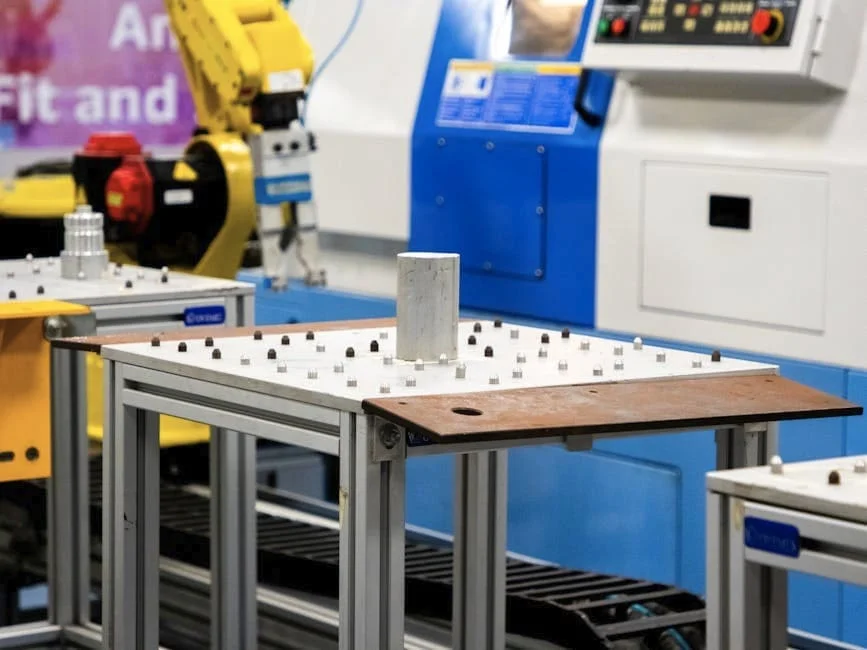
A “turnkey” automation cell represents a radical paradigm shift in manufacturing architecture. Rather than managing disparate, siloed pieces of equipment, a turnkey solution pairs a high-performance CNC machine with several critical, synchronized components into a single, cohesive unit. These components work in a perpetual loop to ensure maximum uptime:
- Robot Loader: This is the heart of the movement, automating the loading and unloading of workpieces with a level of consistency and speed that no human operator can match over a 24-hour cycle.
- Part Presenter: Far from a simple tray, the part presenter organizes and feeds raw materials into the system with high-precision indexing, ensuring the robot always has access to the next workpiece in the correct orientation.
- Chip-Management System: Often overlooked, this system is vital for autonomous operation. It handles the continuous removal and processing of metal shavings and coolant waste. Without robust chip management, a robot loader would eventually be hindered by debris, causing the system to stall.
By integrating these elements, the turnkey cell functions as a self-contained production environment. This level of synchronization ensures that every stage of the process—from raw material handling to waste extraction—is optimized for maximum reliability and zero-touch manufacturing.
Business Impact: Redefining Operator Interaction and ROI
The primary business value of a CNC turnkey system lies in the drastic, measurable reduction of manual labor requirements. In a conventional manual setup, an operator is typically required to interact with the machine for approximately 8 to 12 minutes for every single part produced. This constant need for human intervention creates a massive bottleneck, particularly when staffing levels are thin or when multiple machines require simultaneous attention.
Implementing an integrated turnkey unit slashes this interaction time down to minimal levels. By compressing the 8–12 minute interaction window per part, manufacturers can achieve a radical transformation in their ROI. They can maintain aggressive production schedules with significantly fewer staff members, eliminate the risk of human error during repetitive loading tasks, and ensure the facility operates at peak capacity even during late-night shifts or weekends.
Furthermore, this automation eliminates the “strategic friction” caused by staff turnover. The shift to turnkey automation is not merely a replacement of labor; it is the construction of a robust, integrated unit that ensures industrial resilience and long-term competitiveness in an increasingly volatile labor market.