🔍 Executive Summary
- The Middle East's status as a premier data center investment hotspot has been severely compromised following a military escalation between Israel/the US and Iran, leading to a widespread collapse in investor confidence for regional hyperscale projects.
Strategic Deep-Dive
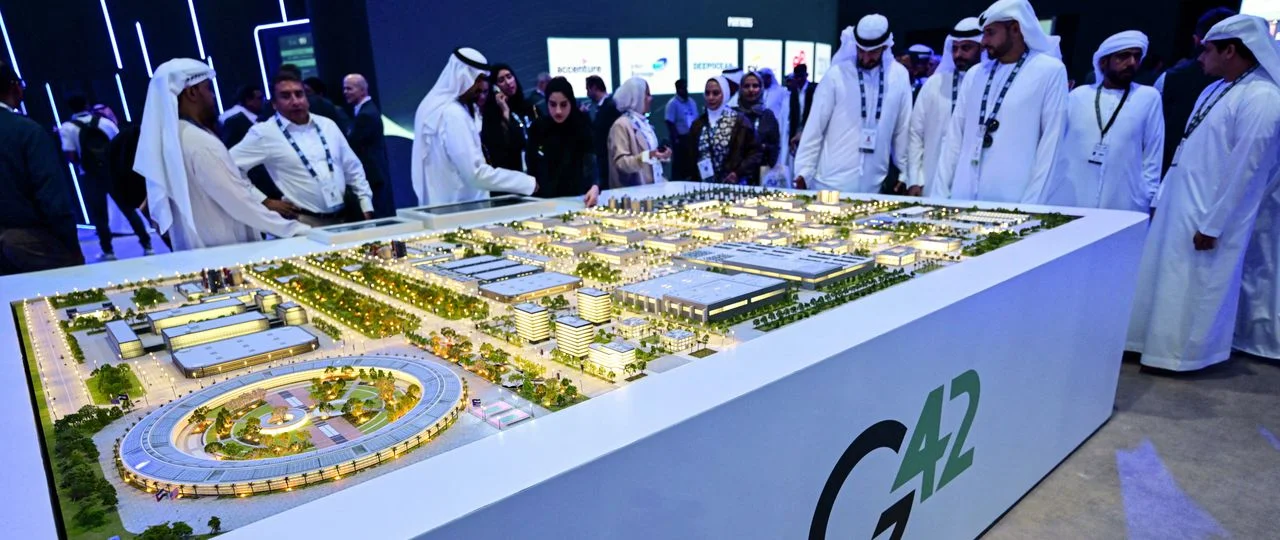
The Middle East, once envisioned as a burgeoning epicenter for global data center growth and digital sovereignty, has seen its investment profile shattered by sudden and intense geopolitical conflict. For the past several years, nations in the region have aggressively courted the world’s largest hyperscalers—Google, Microsoft, and Amazon—offering a seductive combination of sovereign wealth capital, vast desert expanses for physical builds, and some of the lowest energy costs on the planet. However, the current war involving Iran has fundamentally destabilized this outlook.
The source highlights a specific and unprecedented trigger: a joint attempt by Israel and the United States to ‘decapitate’ the Iranian regime. This first-of-its-kind operation marks a massive escalation that transforms the region from a high-opportunity zone into a high-risk combat theater.
For tech infrastructure, stability is not just a preference; it is a non-negotiable architectural requirement. Modern data centers are massive, multi-decade capital investments that depend on the absolute reliability of power grids, regional subsea cable connectivity, and the physical safety of both personnel and hardware. The attempted regime decapitation has introduced a level of volatility that makes these long-term commitments nearly impossible for Western boards of directors to justify.
From a risk management perspective, the profile for tech infrastructure in the Middle East has shifted from ‘managed volatility’ to ’extreme existential risk.’ Investors who previously saw the region as a strategic hedge against rising costs and regulatory burdens in Europe and North America are now facing the reality of potential physical destruction, nationalization of assets, or long-term operational paralysis during a full-scale regional conflict.
This disruption has immediate and devastating consequences for the global tech landscape. Major hyperscale projects that were intended to support regional AI growth and digital transformation—including ‘Sovereign AI’ clouds designed to keep data within regional borders—are being delayed or canceled outright. The source notes that the belief in the region’s suitability has been ‘shaken,’ implying a broad psychological and financial withdrawal by global stakeholders.
Analyzing this through the lens of infrastructure security, the Middle East crisis serves as a stark reminder of the fragility of the digital supply chain. If the subsea cables traversing the Red Sea are compromised or if regional power grids are targeted as part of the wider conflict, the connectivity of the entire Eastern Hemisphere could be impacted. Consequently, we are seeing a rapid flight of capital toward more stable, albeit more expensive, jurisdictions in Southeast Asia and Northern Europe.
The strategic shift will favor regions that can guarantee regime stability and physical security, as tech giants prioritize business continuity over the cost benefits once offered by Middle Eastern jurisdictions. The dream of a Middle Eastern ‘Silicon Desert’ is currently on hold, as the realities of 21st-century warfare collide with the requirements of the AI-driven infrastructure era.