🔍 Executive Summary
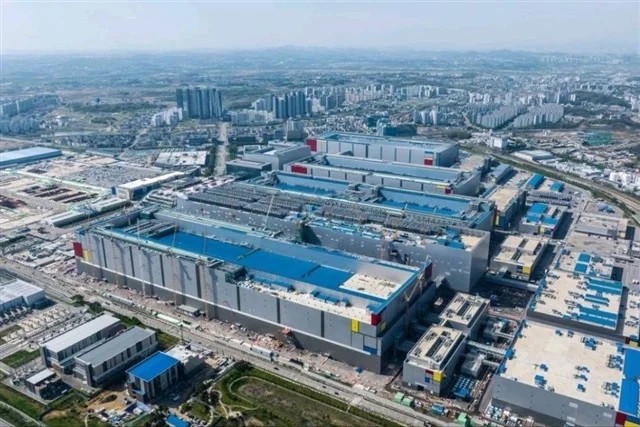
- Samsung Electronics is reportedly accelerating the construction of its final production line at the Pyeongtaek campus to meet surging AI memory demand.
- The move comes as the demand for specialized AI chips continues to exceed previous market expectations, fueling a new memory supercycle.
- This strategic expansion positions Samsung to dominate the high-performance DRAM supply chain required for next-gen AI infrastructure.
Strategic Deep-Dive
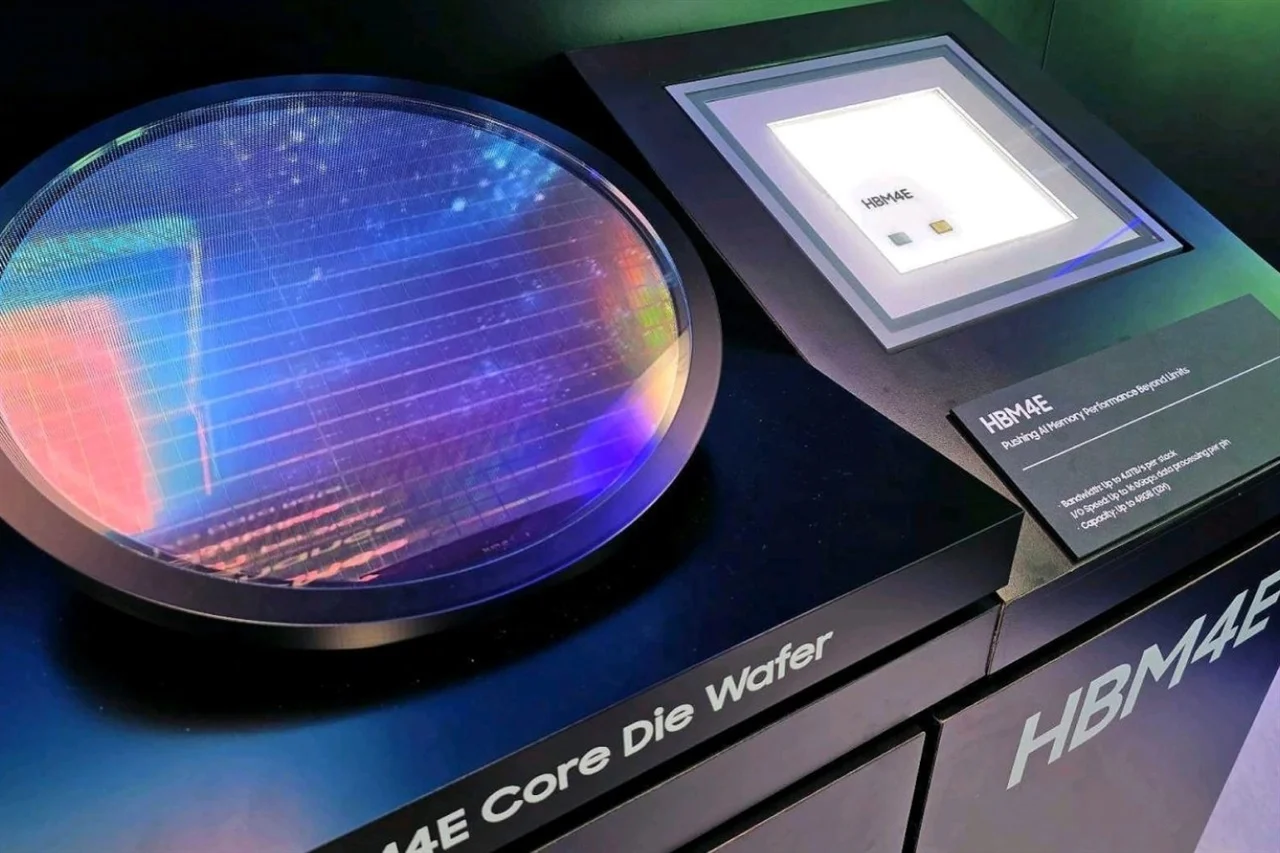
Samsung Electronics is entering an aggressive phase of infrastructure development at its Pyeongtaek semiconductor campus, one of the world’s largest chip manufacturing hubs. The decision to accelerate the construction of the final production line is a direct response to the explosive demand for memory chips optimized for artificial intelligence, specifically HBM3e and the upcoming HBM4 standards. As the AI sector matures, the requirements for high-bandwidth memory and advanced DDR5/LPDDR5X DRAM have skyrocketed, leading to a market situation where demand consistently outstrips existing supply.
Samsung’s strategic pivot to move up the completion date of this massive expansion project highlights its commitment to maintaining leadership during this burgeoning memory supercycle. The Pyeongtaek expansion is not just about raw volume; it is a sophisticated play to secure a competitive edge in the production of next-generation AI-specific memory solutions. By fast-tracking these facilities, Samsung aims to address the needs of global cloud service providers and AI hardware manufacturers who are currently facing severe supply constraints.
However, a Data Systems Analyst must view this massive CapEx (Capital Expenditure) with a balanced perspective. While the demand for AI DRAM is currently insatiable, the semiconductor industry remains inherently cyclical. Accelerating a multi-billion dollar facility carries the risk of overcapacity if the AI investment cycle cools or if competitors achieve better yields on their HBM4 lines sooner than expected.
Samsung is betting that the structural shift toward generative AI represents a permanent increase in the memory-to-compute ratio in data centers. This acceleration also serves as a defensive measure against rivals who are equally keen to capitalize on the AI-driven demand. As the Pyeongtaek campus moves toward full operational status ahead of schedule, it stabilizes the global supply chain for AI memory, providing the necessary overhead for the continued expansion of large-scale language models and neural networks.
Samsung’s proactive stance in scaling its manufacturing footprint underscores its belief that the current AI supercycle is not a temporary spike but a fundamental shift in the global demand for high-performance silicon. The success of this Pyeongtaek expansion will ultimately be measured by Samsung’s ability to transition its newest lines to HBM4 production seamlessly, ensuring it stays at the top of the value chain for the next decade of AI evolution.