🔍 Executive Summary
- An analysis of a sophisticated hardware modification project that adapts the enterprise-grade Nvidia Tesla V100 SMX for standard PCIe slots, offering a high-bandwidth alternative for LLM inference at a fraction of modern GPU prices.
Strategic Deep-Dive
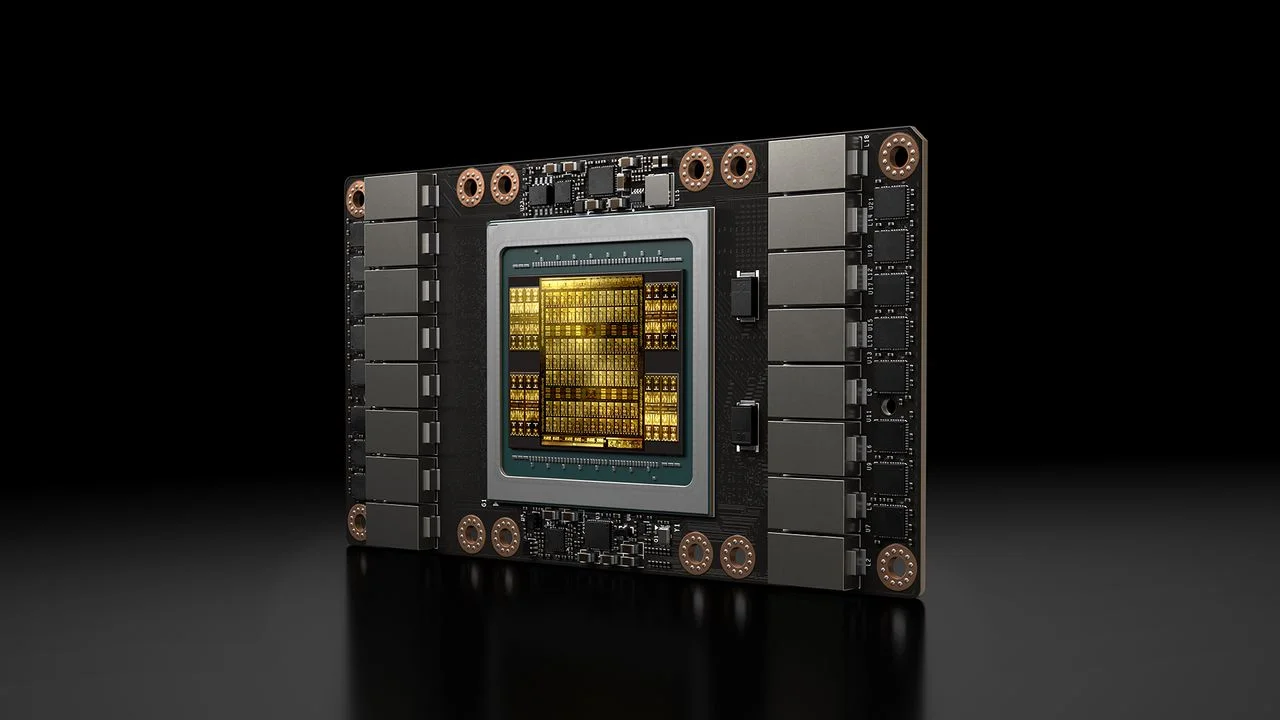
In the current semiconductor climate, where high-end AI compute is both scarce and prohibitively expensive, the secondary market for enterprise hardware has become a fertile ground for innovation. The Nvidia Tesla V100, once the crown jewel of the data center, has seen its SMX variants drop to a mere $100. The reason for this low price is the proprietary nature of the SMX interface, which requires specific server motherboards that are expensive and difficult to source for individual researchers.
However, by employing a $100 custom-engineered PCB adapter, hardware enthusiasts have successfully ‘hacked’ these units to operate in standard PCIe x16 slots. This modification is far from trivial; it involves intricate signal integrity management to ensure that the high-speed data lanes function correctly across the non-native interface.
Technically, the modified V100 remains a formidable asset for modern AI workloads, specifically due to its 16GB of HBM2 (High Bandwidth Memory). In tasks like Large Language Model (LLM) inference, the primary performance bottleneck is often not raw compute cycles but memory bandwidth. The HBM2 on the V100 provides a massive throughput advantage over the GDDR6 found in modern mid-range consumer cards like the RTX 4060 or 4070.
This allows the legacy Turing-era chip to punch significantly above its weight class in real-time inference and complex NVR analytics. The modification process also highlights a critical engineering hurdle: thermal management. Enterprise cards are ‘passive’ within a server chassis, relying on external high-static-pressure fans.
To adapt this for a desktop environment, the project utilizes a custom 3D-printed shroud designed with computational fluid dynamics in mind to direct airflow across the fins efficiently.
This ‘$200 AI Frankenstein’ setup reveals a deeper truth about the longevity of enterprise silicon. While data centers move toward the H100 and B200 for training, the inference needs of independent developers can be met by repurposing legacy hardware. This trend challenges the ’throwaway culture’ of the enterprise tech world and suggests a future where modular adapters could extend the lifecycle of expensive GPU assets.
For budget-constrained researchers and startups, this modding pathway offers a high-performance entry point into the AI revolution, proving that with enough engineering ingenuity, the hardware of yesterday can still tackle the AI challenges of tomorrow. It is a poignant reminder that compute density is often limited more by proprietary form factors than by the actual limitations of the silicon itself.