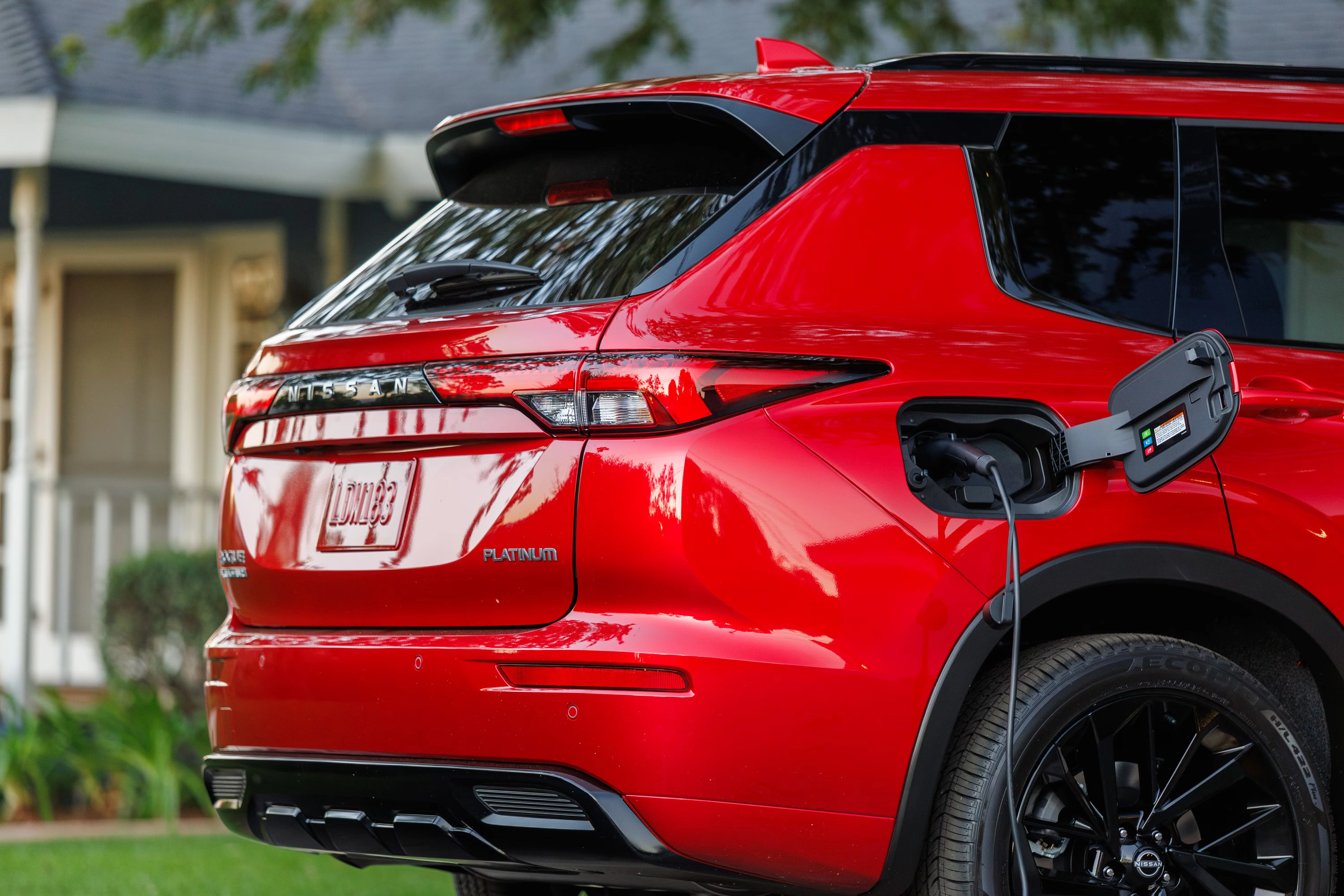
🔍 Executive Summary
- While PHEV SUVs offer a compelling middle ground for electrification, their Total Cost of Ownership is often inflated by accelerated wear on consumables due to weight, complex dual-system maintenance, and shifting economic policies.
Strategic Deep-Dive
Plug-in Hybrid Electric Vehicles (PHEVs) are frequently marketed as the ultimate ’no-compromise’ solution for the modern driver, offering a bridge between traditional internal combustion engines and the electric future. However, for those looking at the SUV segment, the financial equation is far more complex than simple fuel savings. A comprehensive analysis of the Total Cost of Ownership (TCO) reveals five significant hidden costs that can undermine the perceived economic benefits of owning a PHEV over its lifespan.
These factors stem from the physical reality of the vehicle’s design and the evolving regulatory landscape of the automotive industry.
The most prominent and immediate hidden cost is the ‘weight penalty’ and its effect on consumables. A PHEV SUV is essentially burdened with the mass of two separate powertrains. The inclusion of a large battery pack and electric motors alongside a full engine and fuel tank results in a vehicle weight that is often 300 to 500 kilograms heavier than a standard gasoline model.
According to the laws of physics, this extra mass puts immense strain on the suspension and, more critically, the tires. Owners are often shocked to find that their tires, which must be high-load-rated and expensive, require replacement much sooner than anticipated. This recurring cost can effectively wipe out a year’s worth of fuel savings in a single service visit.
Maintenance complexity presents the second major financial hurdle. A PHEV is two cars in one, meaning it demands the upkeep of two distinct systems. While the electric motor itself is low-maintenance, the internal combustion engine still requires oil changes, spark plugs, and belt inspections.
Simultaneously, the specialized high-voltage cooling loops and power electronics require specialized diagnostic tools and technicians, leading to significantly higher labor rates. If an owner does not utilize the electric-only mode frequently, the engine may suffer from issues related to stale fuel or moisture buildup, adding even more specialized maintenance requirements to the list.
Finally, the external economic environment is shifting against the PHEV. As governments worldwide pivot their incentive programs exclusively toward zero-emission Battery Electric Vehicles (BEVs), the tax credits and subsidies that once made PHEVs attractive are disappearing. This not only increases the initial acquisition cost but also triggers a faster rate of depreciation.
In the used car market, buyers are increasingly wary of the long-term reliability of complex hybrid systems, further depressing resale values. When combined with higher insurance premiums—driven by the exorbitant cost of replacing sensitive hybrid components after even minor collisions—the PHEV SUV becomes a financial commitment that only yields a positive return for a very specific subset of drivers who can maximize electric-only miles every single day.