🔍 Executive Summary
- NVIDIA has dramatically expanded its corporate treasury strategy, committing over $40 billion to AI equity investments in early 2026. With a $30 billion anchor investment in OpenAI and strategic stakes in infrastructure players like CoreWeave and Corning, NVIDIA is building a self-reinforcing vertical ecosystem that is increasingly drawing scrutiny for its 'circular' economic model.
Strategic Deep-Dive
NVIDIA’s Strategic Capital: Architecting a Vertical AI Monolith
In the first four months of 2026, NVIDIA has transcended its identity as a silicon manufacturer to become the primary financier of the AI revolution. By deploying $40 billion in equity capital—anchored by a staggering $30 billion stake in OpenAI—NVIDIA is executing a vertical integration strategy that is unprecedented in the history of the semiconductor industry. This is not passive venture investing; it is a calculated effort to control the entire AI value chain, from the raw optical interconnects of the data center to the most sophisticated LLM weights in existence.
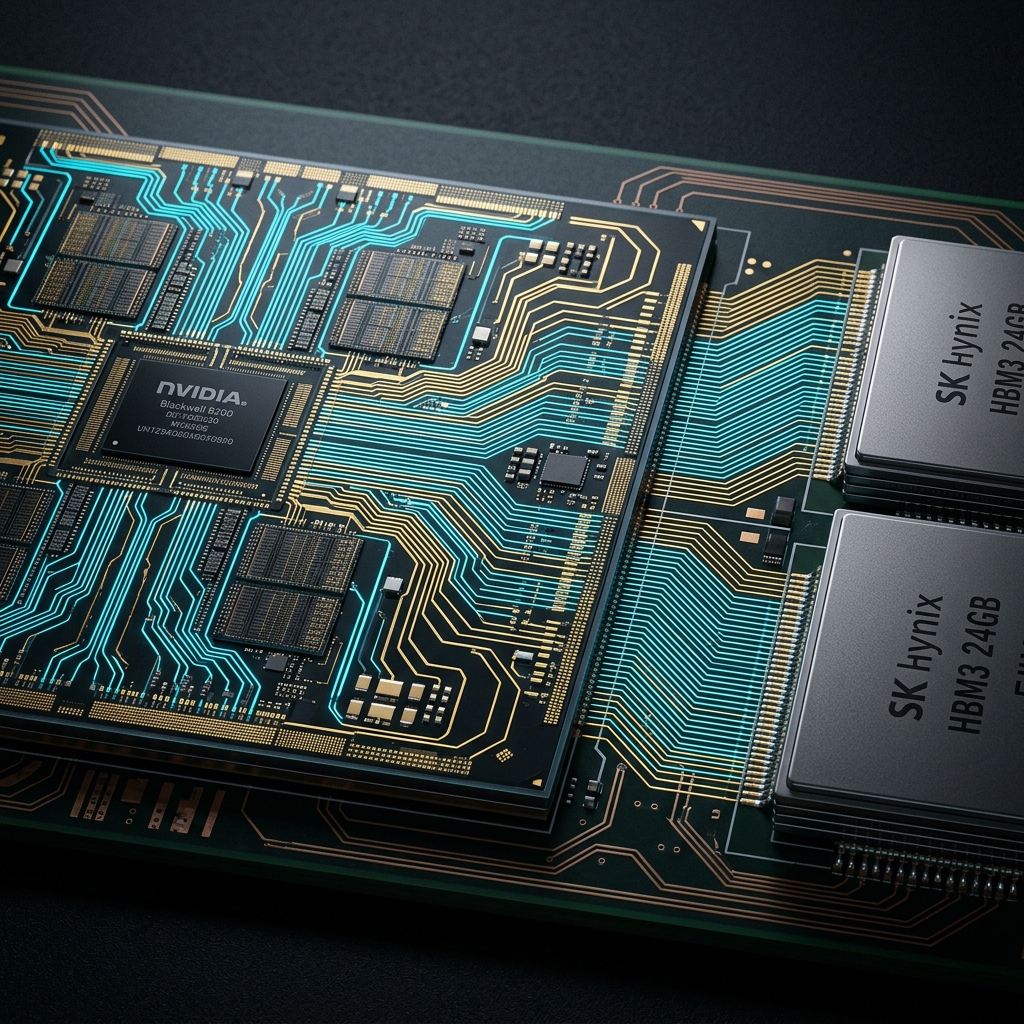
From a systems architecture perspective, NVIDIA is essentially building a ‘hardware-defined software’ ecosystem where their equity positions ensure that every major player is optimized for—and dependent on—the Blackwell and future-generation architectures.
The Technical Rationale Behind the Portfolio
The diversity of the remaining $10 billion investment spread across roughly two dozen companies like CoreWeave, IREN, Corning, and Nebius reveals a deep understanding of infrastructure bottlenecks. Investing in Corning, for instance, highlights the critical importance of high-speed optical interconnects in modern GPU clusters. As AI models scale, the bottleneck shifts from compute to communication; by securing a stake in the leading provider of glass and optical fiber technology, NVIDIA ensures it has a front-row seat to the development of next-generation photonics.
Similarly, its backing of CoreWeave and Nebius secures a dedicated ‘sovereign cloud’ infrastructure that prioritizes NVIDIA hardware, effectively locking out competitors like AMD or Intel from these emerging specialized compute providers.
The Circular Deal Dilemma and Long-term Sustainability
This aggressive expansion is not without its critics, who point to the emergence of ‘circular deals.’ This economic pattern—where NVIDIA provides the capital that its partners then use to purchase its high-margin GPUs—creates a self-perpetuating revenue loop that may obfuscate the true market demand. From an architect’s view, this creates a ‘vendor lock-in’ that is financial as much as it is technical. While this accelerates the deployment of AI infrastructure in the short term, it raises profound questions about market health.
If the growth of the AI sector is being driven by a closed-loop system of capital-to-compute recycling, the sustainability of this model in a post-scarcity hardware market remains unproven. NVIDIA is betting that its $40 billion war chest can create a gravity well so strong that no competitor can escape its orbit, regardless of the regulatory or economic headwinds that may follow in the latter half of 2026.