🔍 Executive Summary
- In a transformative move toward infrastructure vertical integration, Nvidia has secured a $2.1 billion stake in IREN to deploy 5 gigawatts of AI compute capacity, ensuring a dedicated environment for its next-generation Blackwell and H-series silicon.
Strategic Deep-Dive
The global AI landscape is witnessing a tectonic shift as Nvidia transitions from a high-performance silicon designer to a dominant architect of the physical infrastructure layer. By cementing a strategic partnership with IREN (formerly Iris Energy) to deploy an unprecedented 5 gigawatts (GW) of AI infrastructure, Nvidia is addressing the most critical bottleneck in the AI era: energy-optimized compute capacity. This 5GW target is not merely an incremental upgrade; to put it in perspective, 5GW of power is sufficient to sustain approximately 3.75 million average households.
For a data architect, this represents a massive, distributed ‘super-grid’ of compute power specifically engineered to house the next generation of high-density silicon, including the Blackwell series.
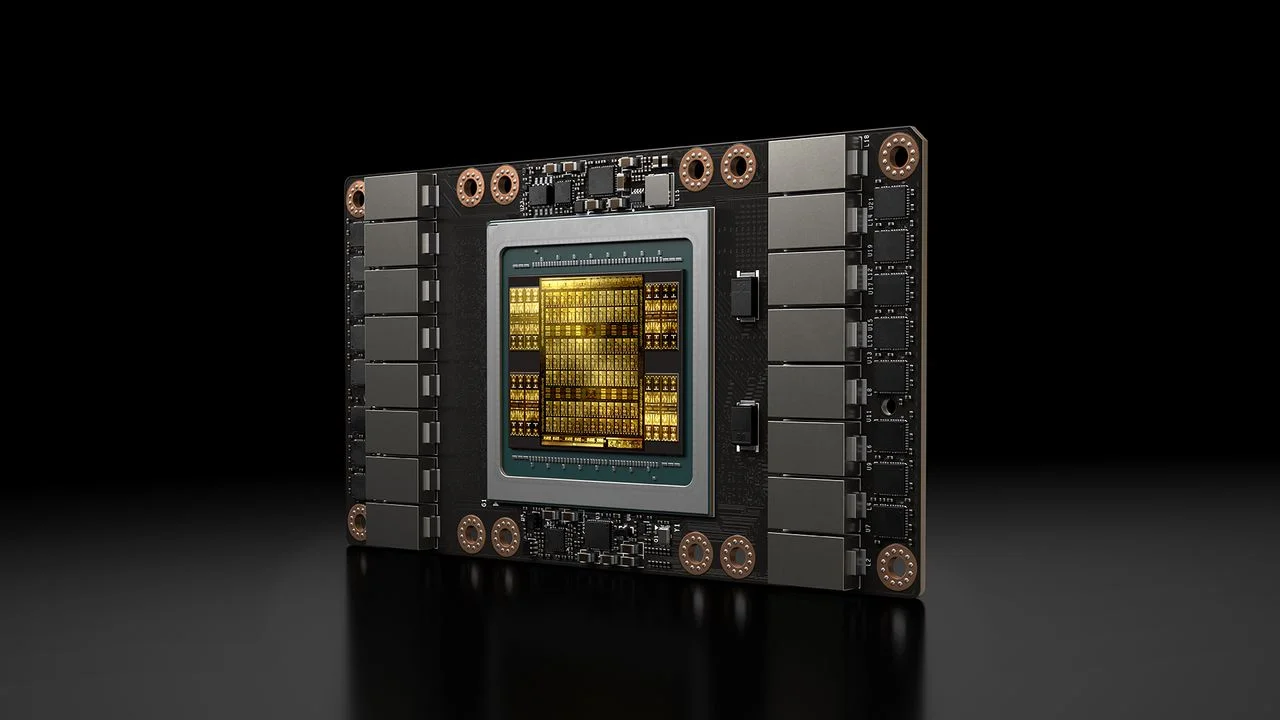
Central to this expansion is Nvidia’s $2.1 billion equity stake in IREN. This investment signifies more than financial diversification; it is a calculated move toward total vertical integration. As AI models grow exponentially, the thermal design power (TDP) of individual GPUs has skyrocketed, with the Blackwell architecture demanding sophisticated liquid cooling and power delivery systems that legacy data centers are ill-equipped to handle.
By owning a significant portion of the infrastructure provider, Nvidia ensures that its proprietary hardware is deployed in environments specifically tailored to its thermal and interconnect requirements. This ‘hardware-infrastructure co-design’ allows Nvidia to bypass the standard supply chain constraints of third-party colocation providers, giving them a direct pipeline to the power grid.
Furthermore, this move creates a formidable ‘vendor lock-in’ at the infrastructure level. As Nvidia controls the physical layer where the compute happens, it can seamlessly integrate its CUDA software stack and InfiniBand networking with the data center’s operational logic. For enterprise clients and research institutions, the IREN-Nvidia clusters will represent the ‘gold standard’ for AI training and inference, potentially marginalizing competitors who lack similar dedicated physical assets.
From a senior tech journalist’s perspective, this is a strategic offensive against both rival chipmakers and hyperscale cloud providers. Nvidia is no longer just selling the picks and shovels for the AI gold rush; it is buying the mines themselves and building the railroads to connect them. The 5GW deployment will likely shift the geographic center of AI processing toward regions with favorable energy policies and cooling climates where IREN operates, further consolidating Nvidia’s grip on the future of global digital transformation.