🔍 Executive Summary
- Samsung Electronics is engaged in high-stakes mediation to prevent a planned 18-day strike that could result in a $20 billion production loss.
- The precarious situation threatens the High Bandwidth Memory (HBM) supply chain, critical for the global AI infrastructure market.
- National Labor Relations Commission mediators are making a final attempt to resolve the dispute following multiple failed rounds of talks.
Strategic Deep-Dive
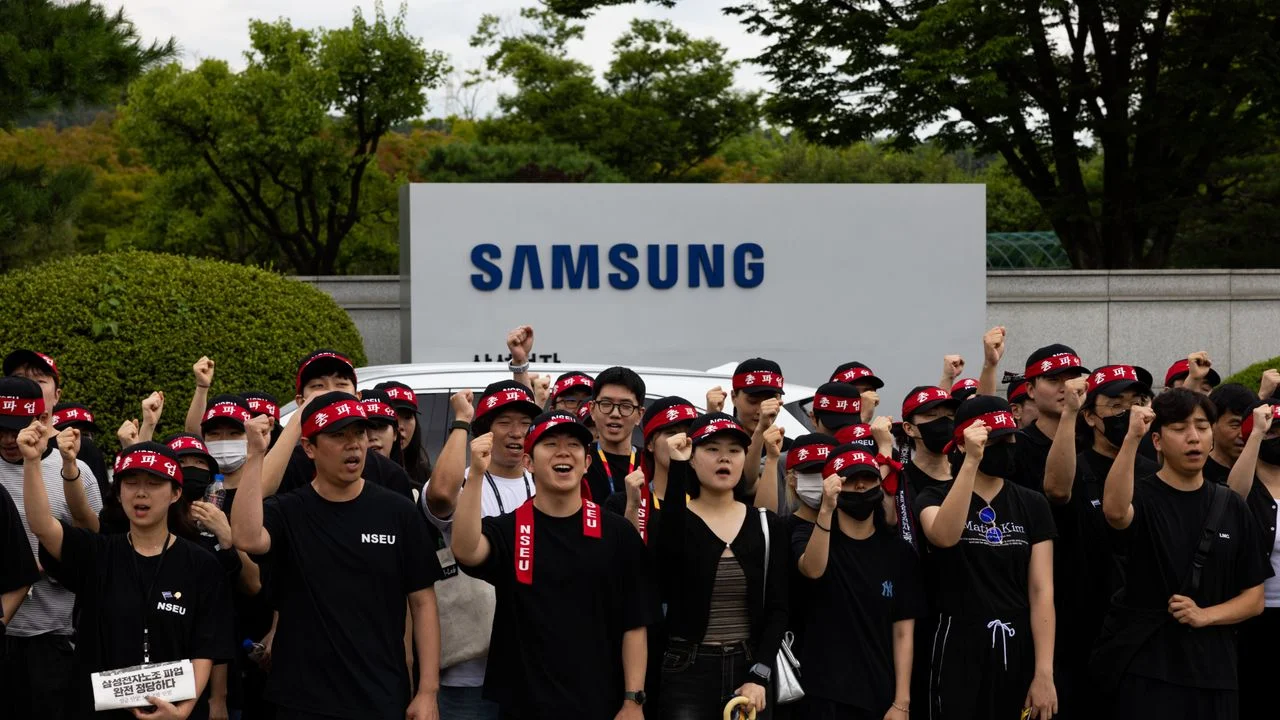
In a display of high-stakes industrial brinkmanship, Samsung Electronics is racing against time to avert an 18-day strike that poses an existential threat to its semiconductor leadership. With a staggering $20 billion in potential production value hanging in the balance, the company has entered a ‘desperate’ final round of mediation mediated by South Korea’s National Labor Relations Commission. This last-ditch effort follows the collapse of previous negotiations in February and March, leaving the global technology sector in a state of high anxiety.
The primary concern lies with Samsung’s High Bandwidth Memory (HBM) production units. As the AI industry grapples with chronic hardware shortages, any disruption to Samsung’s HBM output could derail the expansion plans of major AI chip designers and cloud service providers worldwide. Government mediators are working under intense pressure to bridge the divide between management and the union, but the fundamental disagreements over wage structures and labor conditions remain unresolved.
For Samsung, the outcome of these talks is about more than just avoiding a $20 billion loss; it is about preserving the company’s reputation as a reliable pillar of the global AI supply chain at a time when competitors are ready to seize any opportunity created by internal instability.