🔍 Executive Summary
- The local AI landscape is pivoting from underpowered NAS units to Small Form Factor (SFF) PCs, creating a high-performance 'homelab hack' for efficient LLM inference.
Strategic Deep-Dive
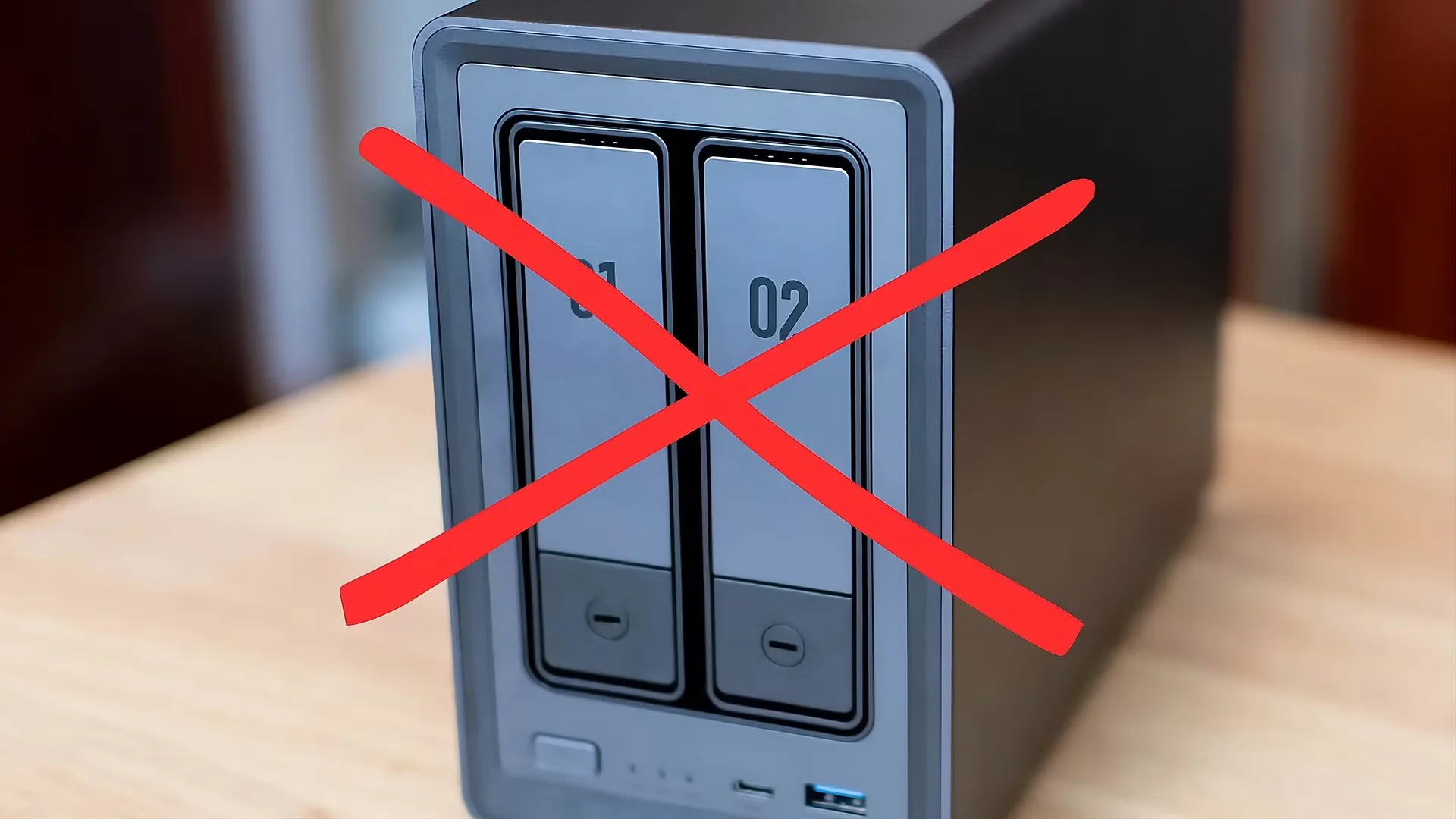
The global landscape of local AI hardware infrastructure is experiencing a significant paradigm shift, moving away from multi-purpose Network Attached Storage (NAS) units toward specialized, high-density computing nodes. For years, NAS devices were the cornerstone of the homelab, providing a centralized hub for data. However, as the computational demands of Large Language Models (LLMs) and generative AI increase, the inherent limitations of NAS architecture have become a critical bottleneck.
Most consumer and prosumer NAS units utilize low-power Intel Celeron or ARM processors designed for thermal efficiency and file I/O, rather than the intense vector mathematics required for neural network inference. These units lack support for AVX-512 instructions and specialized AI accelerators, making them effectively obsolete for modern local AI tasks.
Enter the ‘Tiny Alternative’—a strategic ‘homelab hack’ that involves repurposing Small Form Factor (SFF) PCs or NUC-style nodes as dedicated inference engines. These units, such as the Lenovo Tiny series or AMD Ryzen-based mini-PCs, offer a vastly superior compute-to-size ratio. An analyst looking at raw performance benchmarks will notice that even an older 8th-generation Intel i5 or i7 SFF PC outpaces a flagship NAS in matrix multiplication tasks.
Furthermore, the rise of unified memory architectures in Apple Silicon Mac Minis and high-performance integrated graphics in the Ryzen ‘Phoenix’ and ‘Hawk Point’ lines has redefined what is possible in a compact footprint. These machines can run 7B or 13B parameter models with acceptable latency, something a traditional NAS simply cannot achieve.
From a strategic engineering perspective, this shift advocates for the decoupling of storage and compute. By keeping the NAS as a robust storage backplane (via iSCSI or NFS) and utilizing a cluster of ’tiny’ nodes for AI workloads, users create a more resilient and scalable architecture. This modular approach allows for targeted hardware upgrades—swapping a single compute node for a newer model with a faster NPU or more RAM without disturbing the entire data storage layer.
As we move further into 2026, the recommendation for any tech-forward enterprise or enthusiast is clear: stop treating the NAS as a compute engine. The future of local AI belongs to high-density, specialized SFF hardware that provides the requisite instruction sets and thermal headroom for continuous inference. This pivot is not merely a trend but a necessary evolution to meet the hardware requirements of increasingly sophisticated open-source AI models.