🔍 Executive Summary
- The rising valuation of Kioxia Holdings is a bellwether for a broader structural shift in the Japanese stock market. Investor sentiment is increasingly favoring the semiconductor sector over traditional automotive pillars, reflecting Japan's strategic realignment as a critical hub within the global tech supply chain.
Strategic Deep-Dive
The upward trajectory of Kioxia Holdings serves as a definitive signal of a profound structural rotation within the Japanese capital markets. For decades, the automotive sector, led by giants like Toyota and Honda, has been the primary engine of the Japanese economy and the central focus of international institutional investors. However, as of fiscal year 2026, market dynamics indicate that the semiconductor industry is usurping this role, becoming the primary driver of growth and investor sentiment.
The rising valuation of Kioxia is not merely an isolated success story; it is part of a broader re-rating of the entire Japanese tech ecosystem.
Market Capitalization and Investor Sentiment Realignment
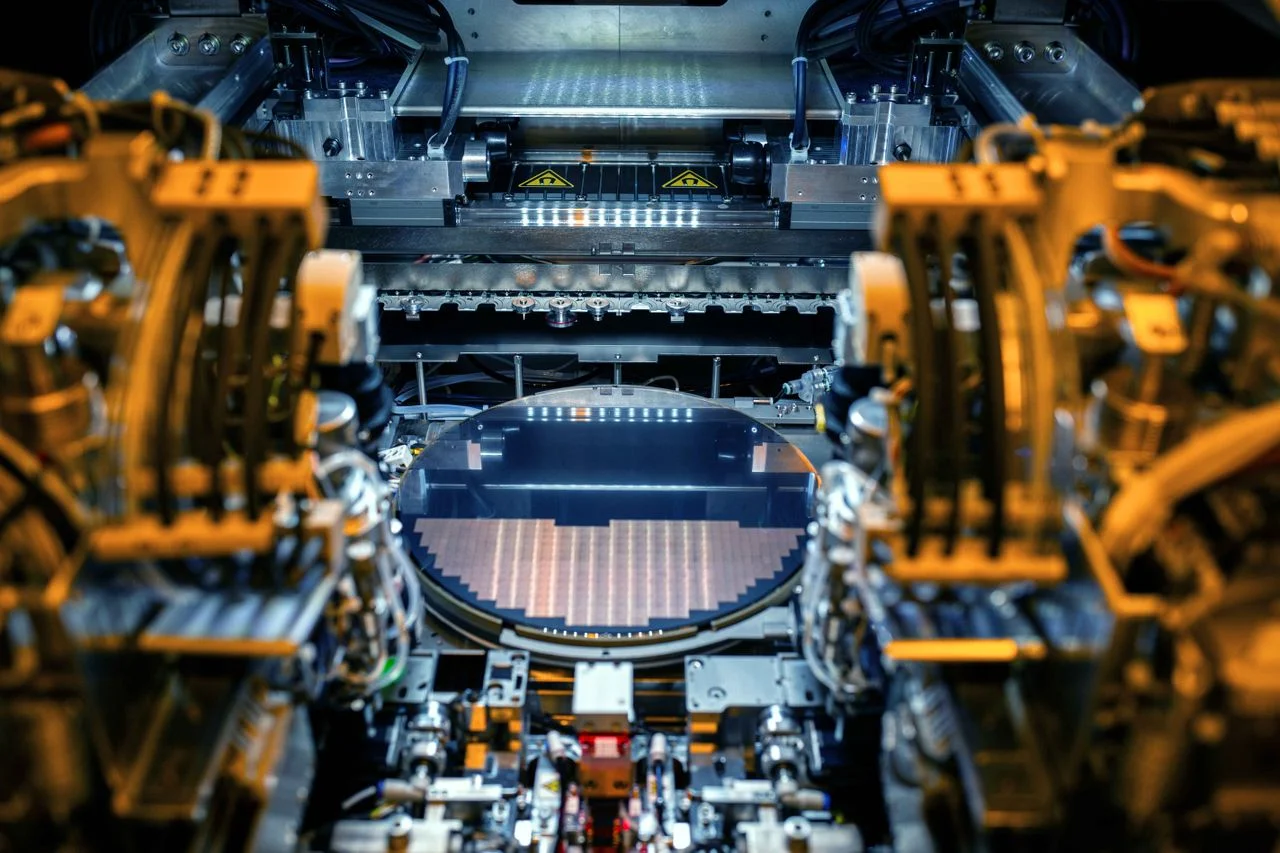
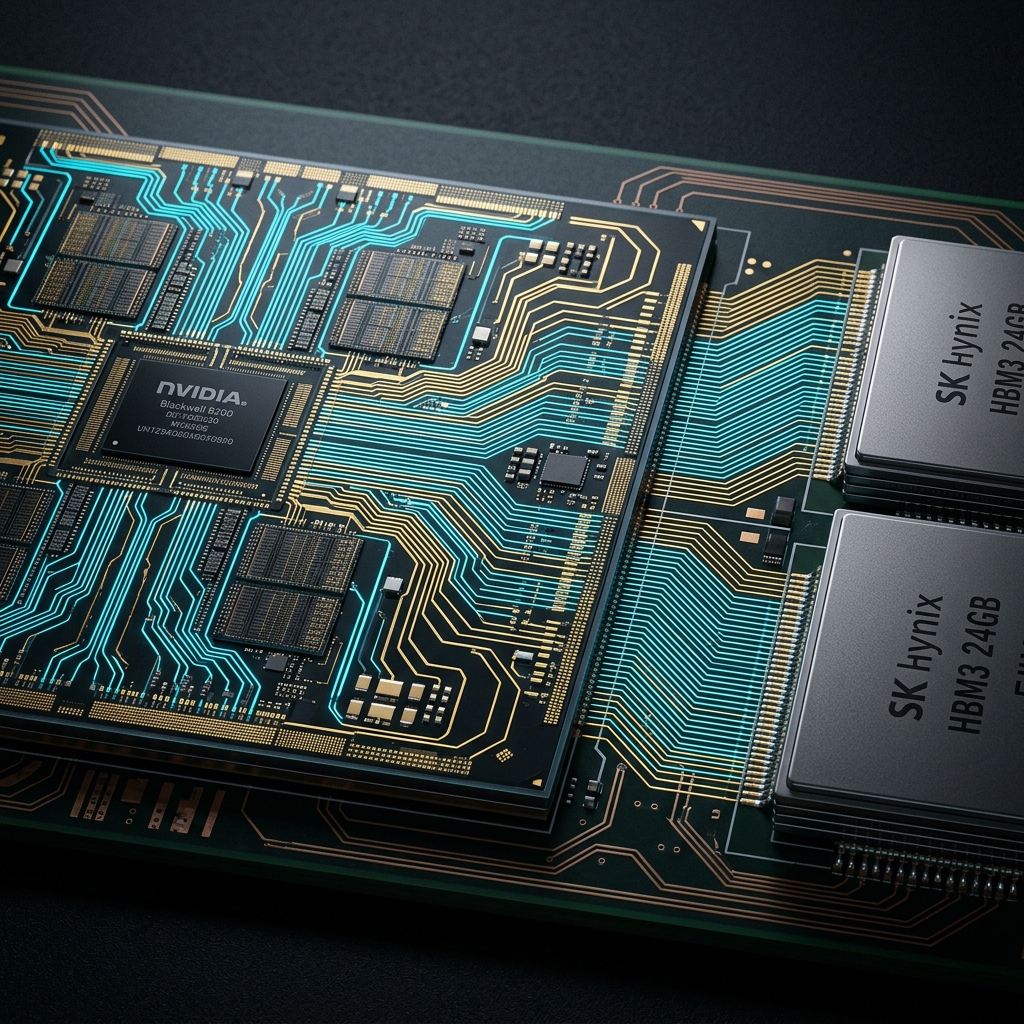
Institutional investors are systematically reallocating capital away from traditional Internal Combustion Engine (ICE) automotive manufacturing towards the semiconductor supply chain. This shift is catalyzed by the global AI boom, which has created an insatiable demand for high-density NAND flash memory—Kioxia’s core specialty—and sophisticated semiconductor manufacturing equipment. The market capitalization of the semiconductor sector in Japan has seen a compound annual growth rate that far outstrips the automotive sector over the last three years.
This is driven by the perception of semiconductors as a high-margin, scalable growth engine compared to the capital-intensive and increasingly competitive global EV market. Investors are betting on Japan’s dominant position in upstream materials and specialized components, viewing Kioxia as a pivotal asset in the global race for memory supremacy alongside partners like Western Digital.
Strategic Realignment: From Steel to Silicon
This transition is bolstered by Japan’s national policy to incentivize domestic chip production and strengthen supply chain resilience amidst US-China trade tensions. While the automotive industry struggles with the complex, low-margin transition to electrification and software-defined vehicles, the semiconductor sector offers a clearer path to high-margin growth and strategic relevance. The market is increasingly viewing Japan as a ‘safe haven’ for tech manufacturing, where political stability and advanced engineering talent provide a competitive edge.
However, this over-indexing on chips brings its own set of risks, including exposure to the highly cyclical nature of the memory market and the immense R&D expenditure required to maintain parity with South Korean and American rivals. Nonetheless, the current momentum suggests that Japan’s industrial identity is being rewritten. Silicon chips are replacing steel and engines as the country’s most strategic economic assets, and the performance of Kioxia is the leading indicator of this massive redistribution of wealth and influence within the Tokyo Stock Exchange.
As the ‘Post-Auto’ era begins, Japan’s ability to maintain its technological leadership will depend on how effectively it can scale these semiconductor champions to meet the needs of an AI-driven global economy.