🔍 Executive Summary
- Samsung Electronics has engaged in government-mediated talks to resolve a labor dispute that threatens to paralyze critical semiconductor lines. With US$29 billion in economic value at stake, the mediation focuses on reconciling union demands for transparent profit sharing with management's fiscal recovery roadmap following the AI-driven memory rebound.
Strategic Deep-Dive
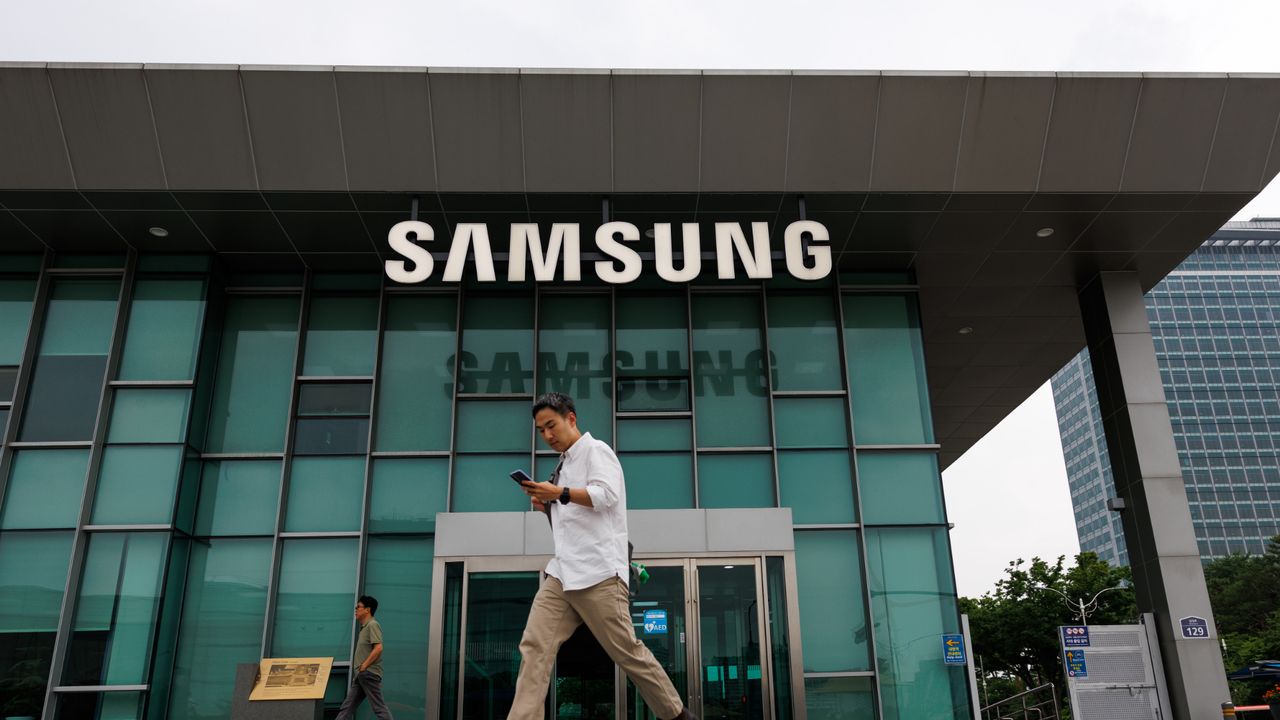
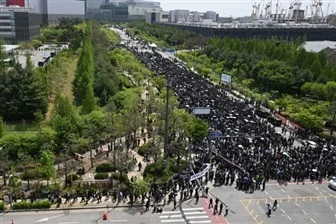
Samsung Electronics stands at a critical crossroads as management and labor unions re-engage in negotiations under the direct oversight of the South Korean government’s National Labor Relations Commission. This mediation is a high-stakes attempt to avert a general strike that economic analysts warn could jeopardize approximately US$29 billion in production value and institutional stability. The friction is a direct consequence of the semiconductor industry’s rapid ‘rebound’ phase; after a grueling cyclical downturn, the Device Solutions (DS) division is seeing significant profitability returns driven by the AI boom and surging HBM (High Bandwidth Memory) demand.
However, this financial recovery has triggered a heated internal debate over profit-sharing (PS) transparency. The labor union is demanding a substantial increase in base pay and a reform of the Overall Performance Incentive (OPI) system, arguing that the workforce bore the brunt of previous cost-cutting measures and should now benefit from the sector’s resurgence. From a systems analyst perspective, the stakes extend far beyond domestic labor relations.
Samsung’s manufacturing infrastructure—including its logic and memory fabs in Pyeongtaek and Giheung—operates on a highly integrated global supply chain. A total work stoppage would cause immediate delivery delays for critical components required by hyperscalers and consumer electronics giants worldwide. Specifically, any disruption to the HBM3E production ramp-up could shift the competitive balance toward SK Hynix and Micron at a time when Samsung is desperate to reclaim its dominant position.
Furthermore, the US$29 billion risk figure encapsulates not only direct revenue loss but also the potential for long-term ‘reliability attrition’ among foundry customers. If Samsung cannot guarantee operational continuity due to internal social friction, major fabless clients may accelerate their diversification efforts toward TSMC or Intel. The government’s intervention underscores the macroeconomic gravity, as Samsung’s semiconductor exports are a cornerstone of South Korea’s GDP.
To resolve this, management must present a compensation roadmap that balances aggressive capital expenditure (CAPE) requirements for 2nm and 3nm nodes with the internal social sustainability required to retain top-tier engineering talent. The synthesis of this conflict suggests that the ‘Samsung Way’ of management is undergoing a fundamental stress test, where the ability to maintain industrial peace is now as strategically vital as achieving sub-nanometer lithography milestones.