🔍 Executive Summary
- In a bid to outpace municipal red tape, AI infrastructure giants are pivoting to unincorporated territories to sidestep city council approvals and lengthy land-use reviews.
Strategic Deep-Dive
The aggressive expansion of artificial intelligence infrastructure is hitting a significant roadblock in urban centers, leading to a profound shift in the geographic strategy of data center developers. As municipal governments increasingly implement construction bans and stringent environmental regulations, the industry is seeking refuge in ‘unincorporated land’—territories that lie outside the legal jurisdiction of any city or town. This strategic migration is not merely about finding cheaper real estate; it is a calculated effort to bypass the bureaucratic friction that has begun to stifle the pace of digital transformation.
In the high-stakes race for AI supremacy, speed is the primary currency. Conventional urban development requires a gauntlet of city council approvals, rezoning votes, and rigorous land-use reviews that can stall a project for years. By targeting unincorporated rural sites, developers can often circumvent these local bottlenecks entirely, moving from groundbreaking to operational status in a fraction of the time.
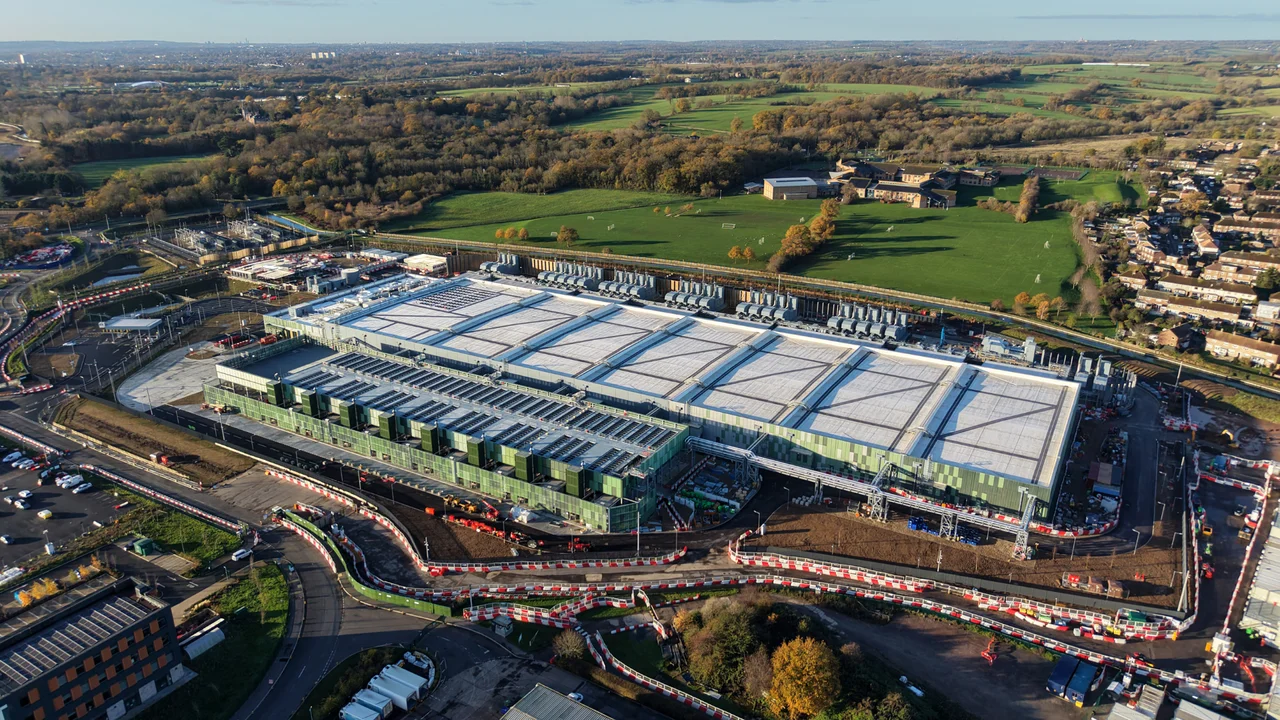
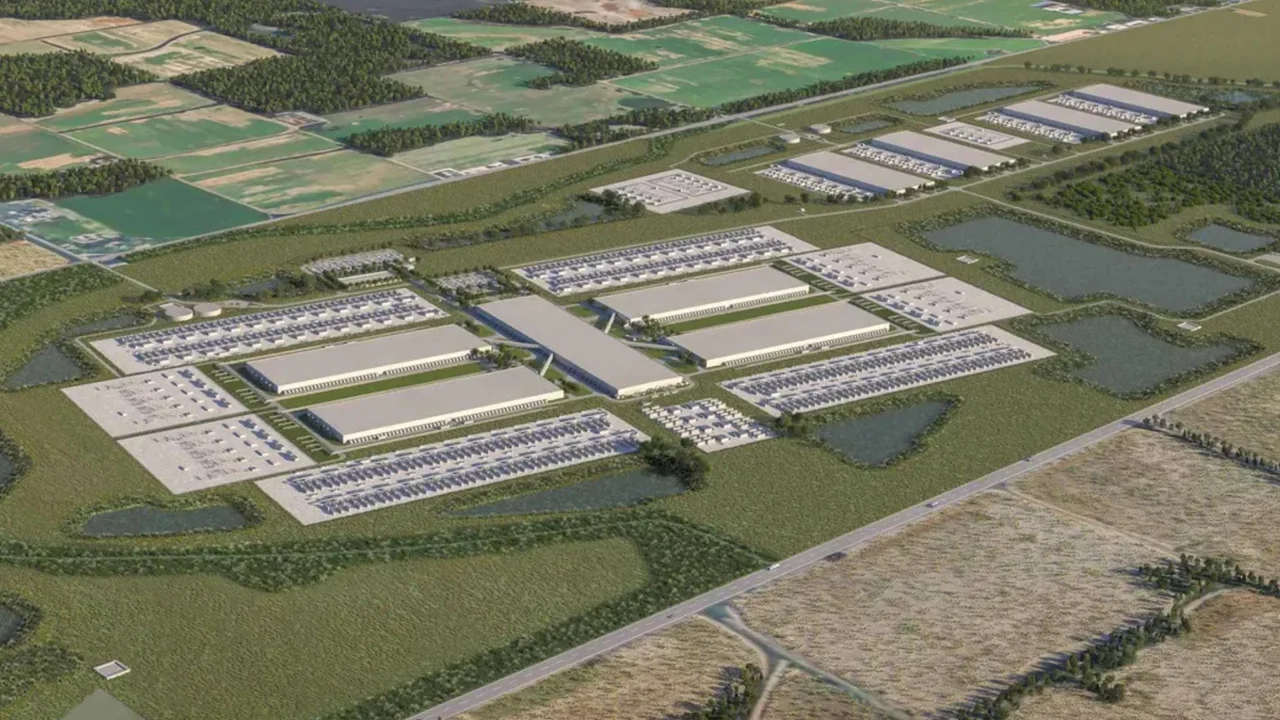
This ‘regulatory arbitrage’ allows companies to deploy massive amounts of compute power without the friction of municipal zoning laws or the political theater often associated with urban planning committees. Furthermore, these rural territories offer an expansive spatial advantage that city centers simply cannot match. The physical footprint of a modern AI data center—complete with high-density server racks, specialized cooling infrastructure, and onsite power substations—requires vast, contiguous parcels of land.
Unincorporated areas provide the necessary freedom to design multi-building campuses that can scale horizontally as AI models grow in complexity. Beyond logistics, there is the crucial factor of public scrutiny. Urban data centers have become flashpoints for local controversy due to their voracious appetite for electricity and the constant hum of industrial cooling fans.
In sparsely populated rural areas, the potential for organized community opposition is significantly reduced. Developers find themselves in an environment where there are fewer neighbors to disturb and fewer activists to challenge their environmental impact assessments. However, this trend raises critical questions about the erosion of local oversight.
As the physical weight of the cloud shifts to the periphery, the lack of traditional municipal permits could lead to a ‘wild west’ of industrial expansion, where the long-term ecological and social costs are ignored in favor of immediate technical throughput. For the global tech sector, the unincorporated frontier has become the path of least resistance, ensuring that the next generation of AI clusters is built not where the users are, but where the regulations are not. This transition underscores a broader geopolitical reality: in the era of artificial intelligence, the most valuable asset a territory can offer might just be its lack of government interference.