🔍 Executive Summary
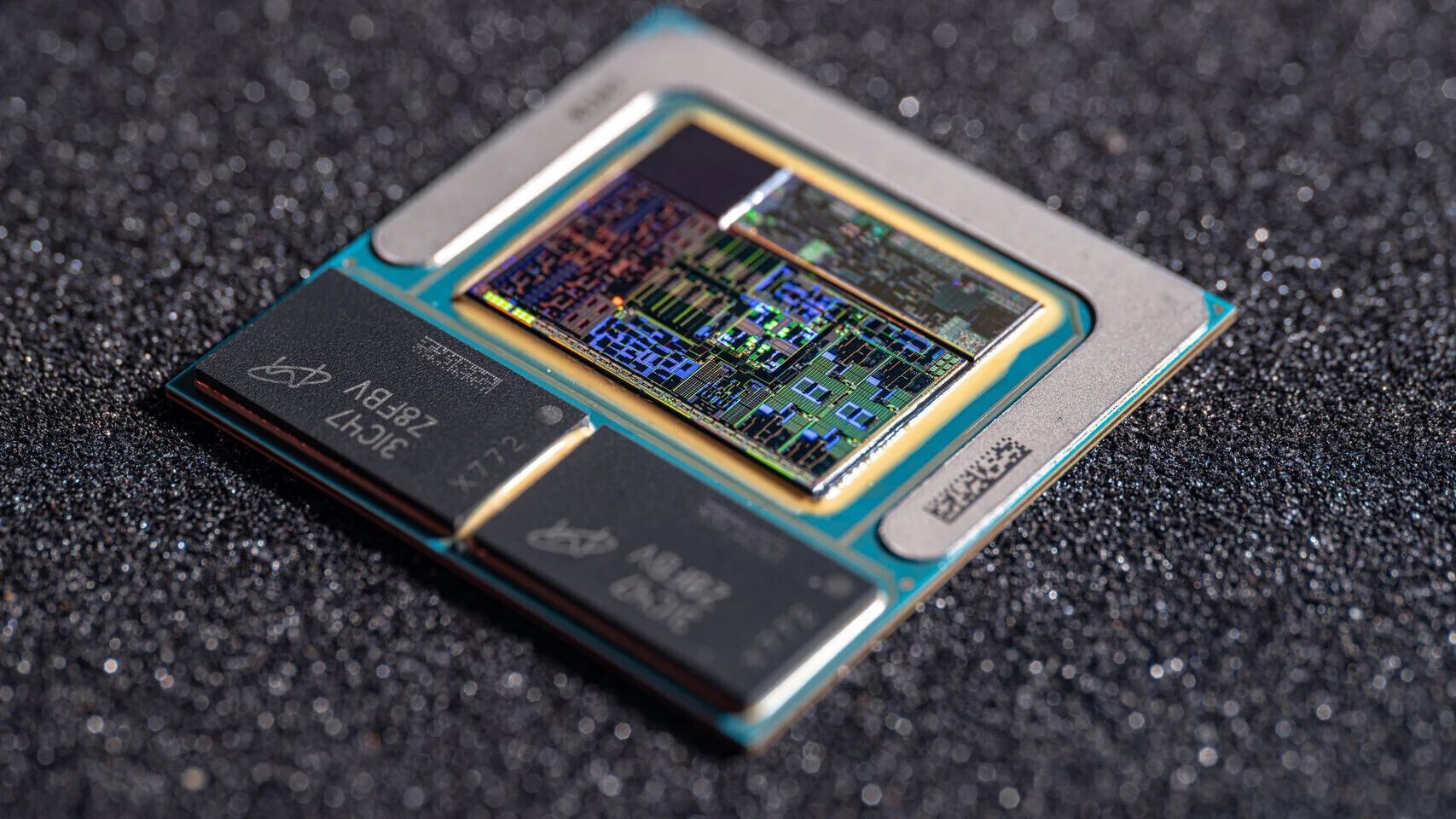
- Intel is strategically pivoting back to an on-package memory (MoP) architecture with its forthcoming 'Razor Lake-AX' processors, positioned as the successor to the 2026 Nova Lake generation. By integrating high-speed LPDDR5X-8533 memory directly onto the CPU package—a design philosophy reminiscent of the Core Ultra 200V 'Lunar Lake' series—Intel aims to drastically reduce data latency and optimize the physical footprint of its next-generation SoCs. This roadmap signals a long-term commitment to architectural synergy over modularity in the premium computing segment.
Strategic Deep-Dive
Intel’s hardware roadmap is undergoing a significant strategic recalibration with the emergence of the ‘Razor Lake-AX’ architecture. Positioned as the successor to the highly anticipated ‘Nova Lake’ generation—which is itself scheduled for a late 2026 launch—Razor Lake-AX represents the culmination of Intel’s efforts to integrate high-performance subsystems into a singular, cohesive package. The defining characteristic of this new generation is the reintroduction of on-package memory (MoP), a design choice that was last showcased in the Core Ultra 200V ‘Lunar Lake’ series.
By embedding LPDDR5X-8533 memory modules directly onto the processor substrate, Intel effectively eliminates the long electrical trace lengths associated with traditional SO-DIMM or even the newer CAMM2 modular standards. This architectural decision results in a massive increase in signal integrity and a substantial reduction in memory latency, both of which are critical for the bandwidth-hungry AI workloads that define modern client computing. However, the move to Razor Lake-AX is not without its engineering challenges.
From a data architecture perspective, placing DRAM in such close proximity to high-performance compute tiles creates significant thermal management hurdles. The power delivery network must be exceptionally robust to handle the concentrated current demands of both the CPU and the memory within a confined thermal envelope. Strategically, Intel’s shift suggests that the premium laptop market is moving away from user-upgradeability in favor of peak subsystem efficiency.
This approach allows OEMs to design thinner, more energy-efficient machines that can leverage the ‘instant-on’ responsiveness provided by tightly coupled memory. Furthermore, the Razor Lake-AX architecture points to a deeper integration between Intel’s silicon and the high-density LPDDR offerings from global memory leaders. As we move beyond Nova Lake, the industry must prepare for a future where the distinction between the processor and the memory subsystem becomes increasingly blurred.
This ‘Memory-on-Package’ trend forces a re-evaluation of system longevity; while it enhances performance-per-watt, it places the burden of reliability entirely on the integrated unit. For enterprise and professional users, the trade-off involves accepting a fixed memory capacity in exchange for unprecedented mobile performance. Intel’s commitment to this path with Razor Lake-AX indicates that the engineering benefits of reduced parasitic capacitance and improved power gating far outweigh the disadvantages of reduced modularity.
As the ecosystem matures toward 2027, Razor Lake-AX will likely serve as the benchmark for how next-generation SoCs balance the competing demands of thermal density, power efficiency, and raw computational throughput.