🔍 Executive Summary
- The tech industry's recent embrace of seven-year software update cycles for flagship Android devices is a double-edged sword that highlights a glaring contradiction in contemporary hardware design. While extended software support is a commendable step toward reducing electronic waste, it is fundamentally undermined by the physical and chemical limitations of non-removable batteries. Lithium-ion batteries, which serve as the lifeblood of modern smartphones, are subject to inevitable chemical degradation known as 'capacity fade.' Most of these batteries lose significant capacity after 500 to 800...
Strategic Deep-Dive
The tech industry’s recent embrace of seven-year software update cycles for flagship Android devices is a double-edged sword that highlights a glaring contradiction in contemporary hardware design. While extended software support is a commendable step toward reducing electronic waste, it is fundamentally undermined by the physical and chemical limitations of non-removable batteries. Lithium-ion batteries, which serve as the lifeblood of modern smartphones, are subject to inevitable chemical degradation known as ‘capacity fade.’ Most of these batteries lose significant capacity after 500 to 800 charge cycles—a threshold typically reached within two to three years of regular use due to the formation of solid electrolyte interphase (SEI) layers and lithium plating.
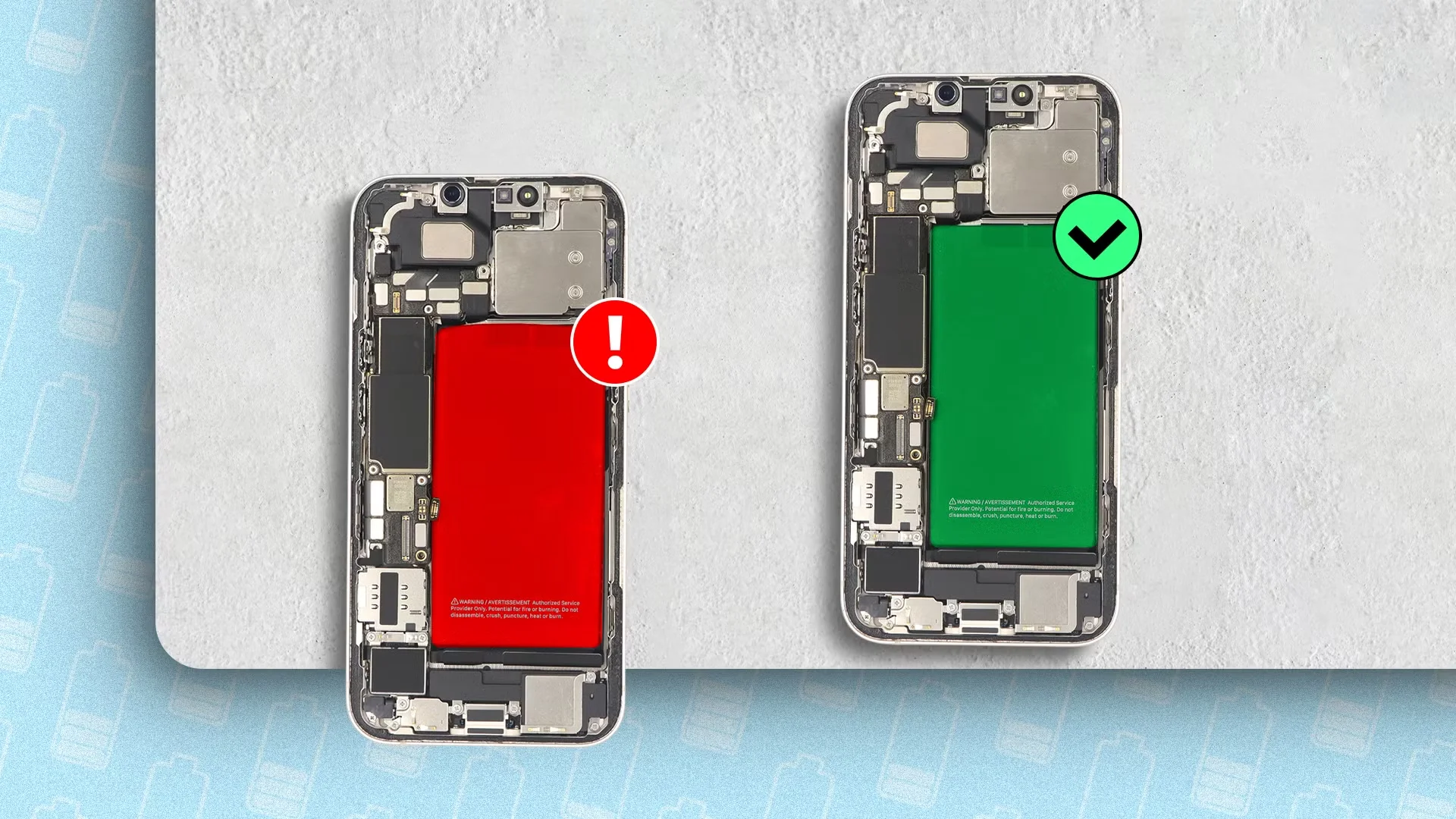
In this context, a seven-year software update promise becomes a hollow marketing gesture if the hardware cannot survive even half that duration without significant performance throttling or power failure. The current industry standard of gluing batteries into thin, non-user-serviceable chassis forces consumers into a difficult position: pay exorbitant fees for professional repair, use a tethered device with diminished portability, or discard a perfectly functional phone due to a failed power cell. This issue lies at the heart of the global ‘Right to Repair’ movement.
True sustainability requires a holistic approach that considers both the digital bits and the physical atoms of a product. If manufacturers are genuinely committed to environmental stewardship, they must reconcile long-term software commitments with modular hardware design. The environmental impact of manufacturing a single new smartphone far outweighs the carbon footprint of shipping software patches over the cloud.
Therefore, the most effective way to promote longevity is to empower users to swap out aging components, particularly batteries, without the need for specialized tools or proprietary adhesives. Without such changes, the cycle of planned obsolescence continues, albeit hidden behind a facade of software longevity. As we move forward, the legislative pressure from regions like the EU is already forcing a rethink of these designs, demanding that batteries be replaceable by 2027.
A device that is still receiving security patches but cannot stay powered for more than an hour is not a sustainable product; it is a monument to missed opportunities in engineering ethics. The future of the smartphone industry depends on whether companies are willing to trade thin aesthetics for durable, repairable hardware that truly honors the commitment to seven years of practical use.