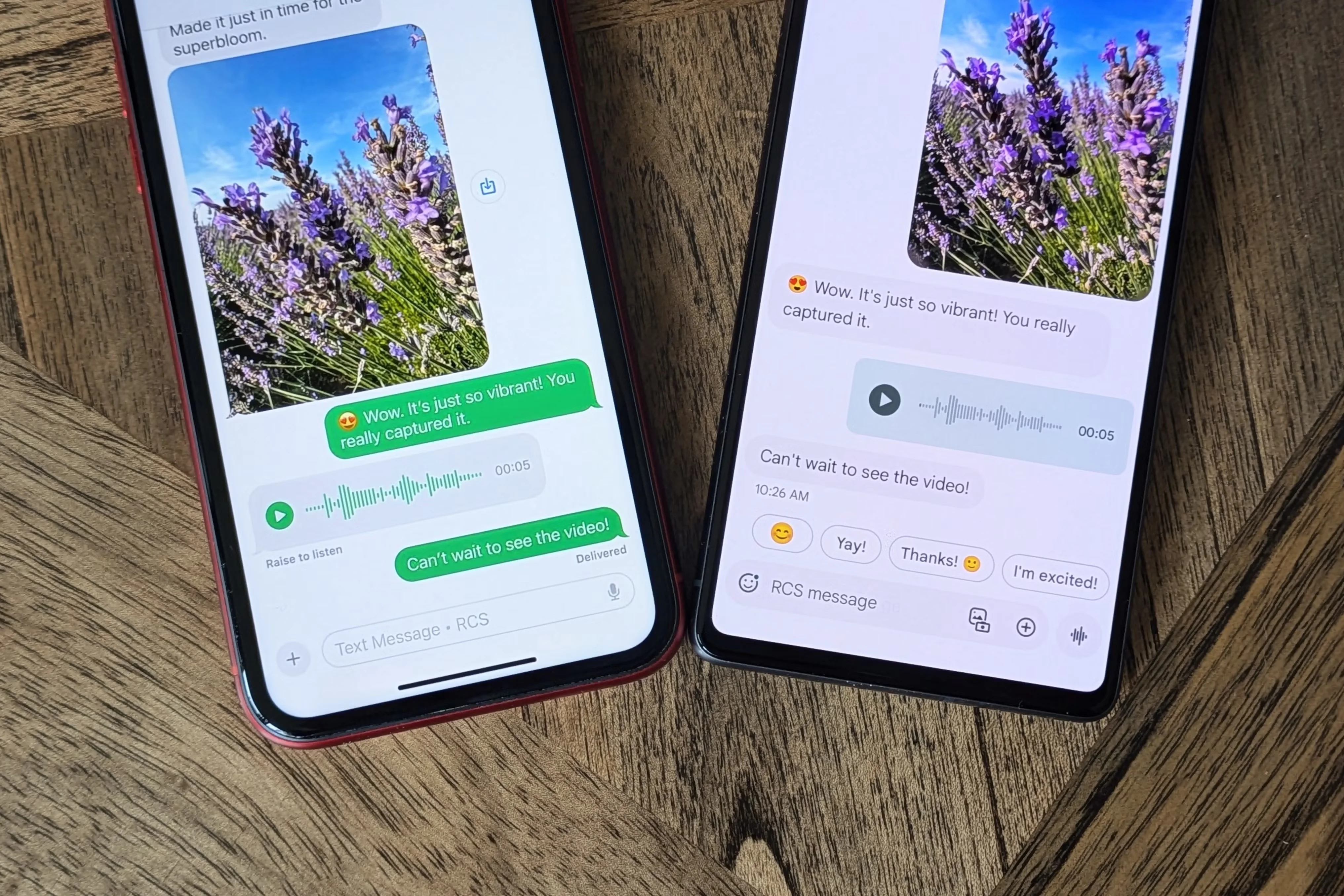
🔍 Executive Summary
- The integration of end-to-end encrypted RCS messaging between Android and iOS devices marks a definitive shift in mobile communication, effectively bridging the security gap that previously relegated cross-platform chats to outdated SMS standards. This milestone requires both ecosystem users to utilize specific software versions supporting the latest RCS Universal Profile.
Strategic Deep-Dive
The long-standing digital divide between Android and iPhone users has reached a significant turning point with the implementation of end-to-end encryption (E2EE) for cross-platform RCS messaging. For over a decade, the communication between these two dominant ecosystems was forced to fallback to the antiquated SMS and MMS protocols. These legacy systems, originally designed in the 1980s and 90s, were never intended to handle the security demands of the modern era, leaving user data vulnerable to interception and lacking basic features like high-resolution media support.
The adoption of the RCS Universal Profile 2.7 represents a monumental shift toward a more secure and interoperable mobile landscape. By integrating E2EE, both Google and Apple are acknowledging that user privacy should not be compromised by the choice of hardware. This technical breakthrough ensures that messages, high-resolution media, and interactive elements like read receipts and typing indicators are protected from the moment they leave one device until they reach the recipient.
Historically, Apple’s iMessage and Google’s various messaging attempts served as the primary examples of ‘walled gardens’ designed to lock users into specific ecosystems. However, regulatory pressures, most notably the European Union’s Digital Markets Act (DMA), have catalyzed a shift toward standardization. The significance of this transition cannot be overstated; it effectively neutralizes one of the most prominent aspects of the competitive friction that has defined mobile tech.
While the aesthetic differences of message bubbles might persist for branding reasons, the underlying infrastructure is now unified under a standard that prioritizes safety. Achieving this level of synchronization requires a precise alignment of operating system updates and carrier support. Users must ensure they are running the latest iterations of iOS and Android that include the necessary RCS versioning.
Furthermore, this move signals a broader trend in the tech industry where consumer demand for privacy is forcing titans to collaborate on foundational technologies. As we move away from fragmented communication silos, the focus shifts toward a holistic approach to digital security. This integration is not just a feature update; it is a fundamental reconfiguration of how the world communicates, ensuring that the sanctity of private conversation is maintained regardless of the logo on the back of the phone.
By adopting the GSMA’s Universal Profile, these tech giants are setting a precedent that interoperability and security are not mutually exclusive but are, in fact, the necessary pillars of a mature digital society.