🔍 Executive Summary
- In the rapidly evolving luxury electric vehicle market, the battle for supremacy is no longer just about horsepower and zero-to-sixty times; it is increasingly defined by range efficiency and the overall value proposition. The upcoming BMW iX3, particularly the 2026 model, emerges as a formidable challenger to the Porsche Macan EV, presenting a compelling case for buyers who prioritize practical luxury over brand prestige. While the Macan EV carries the heavy weight of Porsche’s sporting heritage, it often comes with a significant price premium—often referred to as the 'Porsche Tax'—that may n...
Strategic Deep-Dive
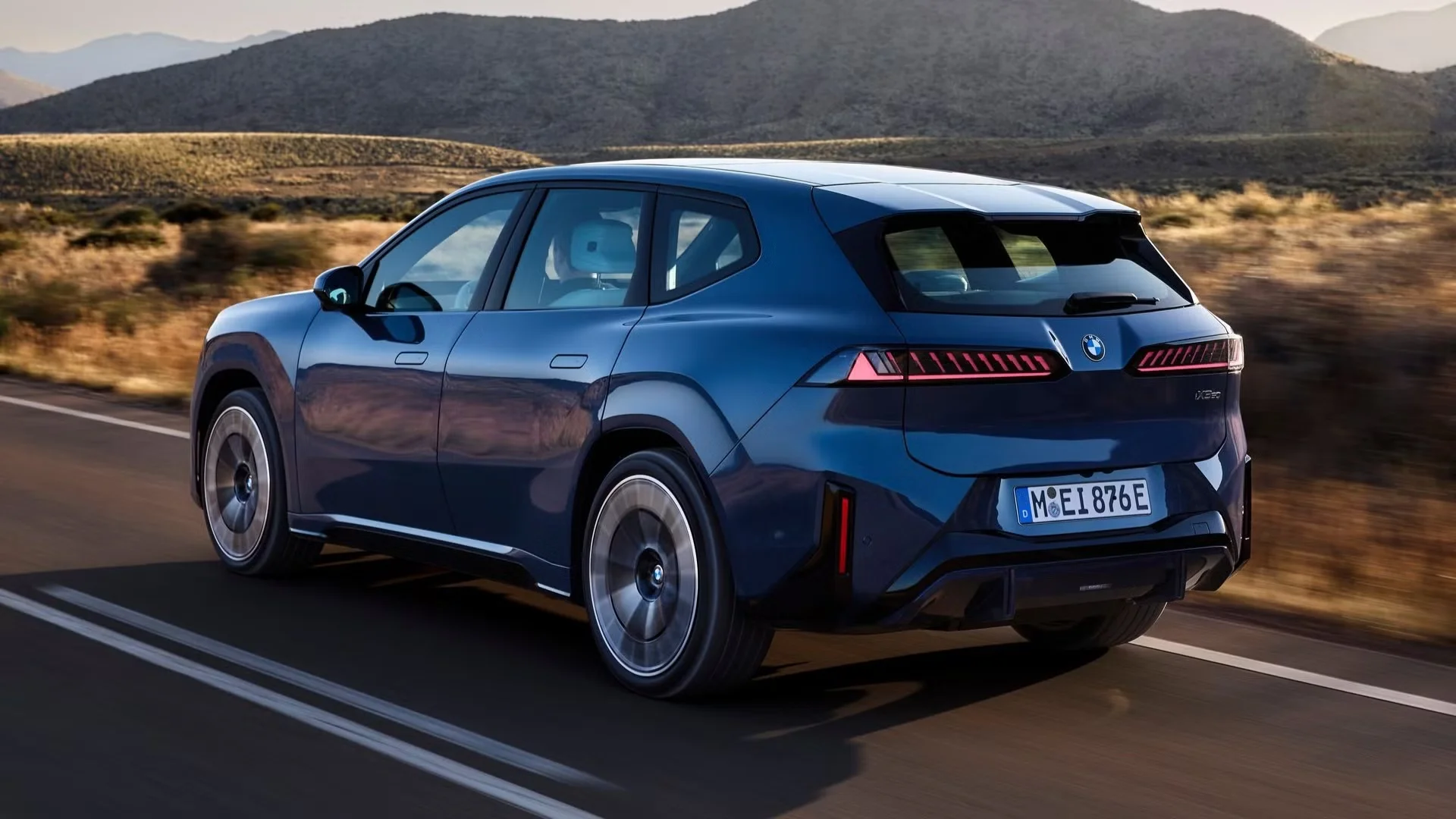
In the rapidly evolving luxury electric vehicle market, the battle for supremacy is no longer just about horsepower and zero-to-sixty times; it is increasingly defined by range efficiency and the overall value proposition. The upcoming BMW iX3, particularly the 2026 model, emerges as a formidable challenger to the Porsche Macan EV, presenting a compelling case for buyers who prioritize practical luxury over brand prestige. While the Macan EV carries the heavy weight of Porsche’s sporting heritage, it often comes with a significant price premium—often referred to as the ‘Porsche Tax’—that may not be justifiable when compared to the iX3’s real-world capabilities.
BMW has strategically positioned the iX3 to capture the heart of the luxury SUV segment by offering a more accessible price point without compromising on the core electric driving experience. One of the most critical metrics for any EV owner is range, and it is here that the BMW iX3 excels. By leveraging advanced battery chemistry and superior thermal management systems, the iX3 outpaces its more expensive rival in efficiency per kilowatt-hour.
This performance directly addresses ‘range anxiety,’ which remains a primary barrier to mainstream EV adoption even in the premium sector. From a design perspective, the iX3 maintains the plush, driver-centric cockpit that BMW is known for, utilizing sustainable yet high-end materials that rival the craftsmanship found in the Porsche. Furthermore, the iX3 is expected to utilize BMW’s ‘Neue Klasse’ architectural principles, focusing on high-voltage systems that allow for faster charging and lighter overall weight.
This contrasts with the Macan EV’s focus on aggressive track-like performance, which, while impressive, often sacrifices daily utility and efficiency. The competitive landscape of German luxury EVs is shifting toward a model where ‘value’ is redefined as the optimal intersection of range, technology, and cost. While the Macan EV caters to the enthusiast seeking raw power, the iX3 targets the discerning professional who demands a sophisticated, long-range cruiser.
As battery technology plateaus in terms of raw density, manufacturers must find ways to increase value through software optimization and aerodynamic refinement. BMW’s approach with the iX3 demonstrates a deep understanding of this shift, proving that a high-performance electric SUV can be both luxurious and economically sensible for the modern driver. For those looking to transition to electric mobility without overpaying for a badge, the BMW iX3 stands as the superior, more balanced alternative in the current German lineup, promising a future where luxury does not have to come at the expense of efficiency.