🔍 Executive Summary
- Mazda is effectively challenging the SUV market hierarchy by integrating Toyota's reliable hybrid systems into its own premium-focused chassis, creating a vehicle that offers both efficiency and luxury.
Strategic Deep-Dive
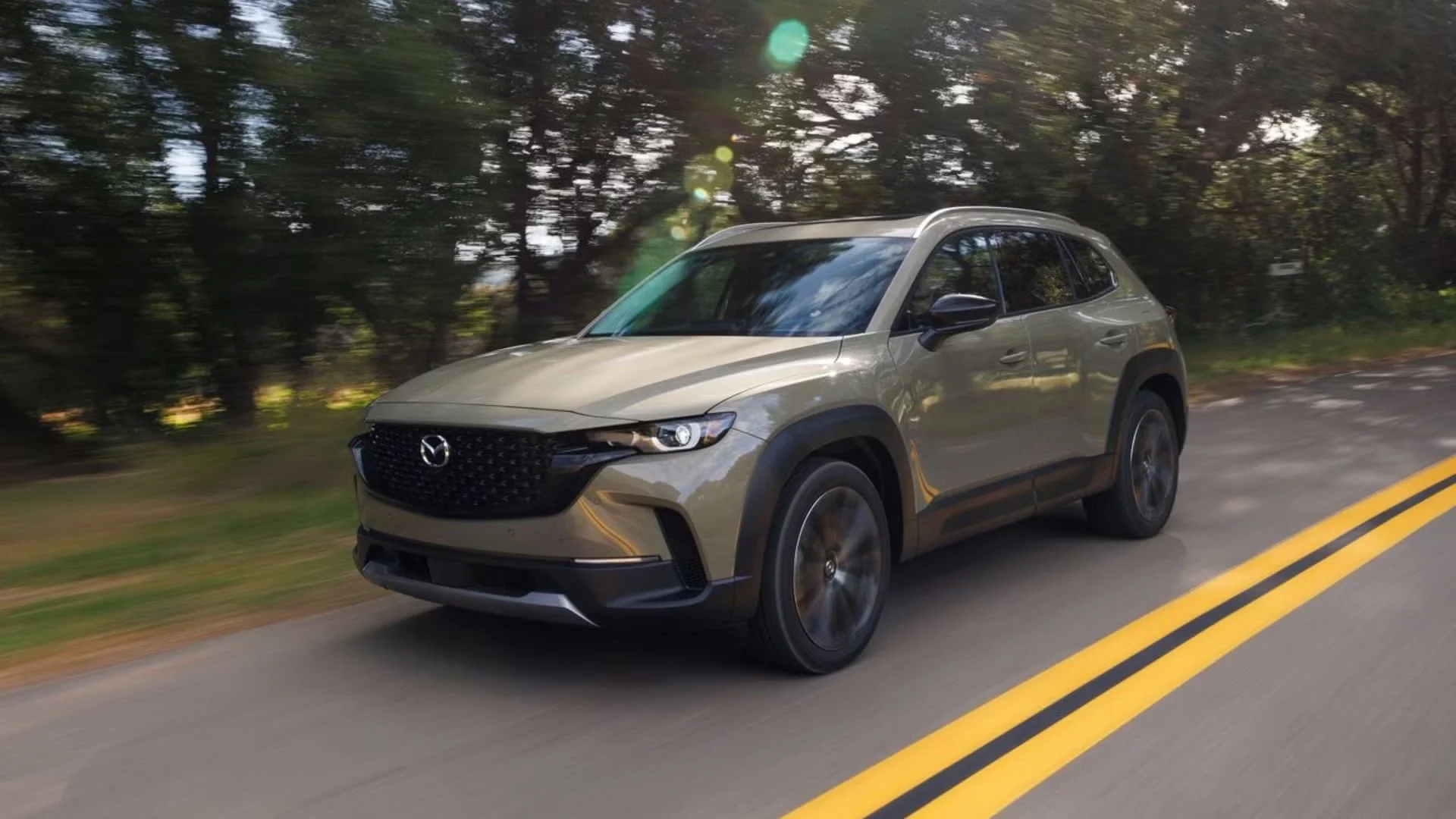
The global automotive landscape is currently navigating a complex transition period where established manufacturers must balance the immediate demands for fuel efficiency with the long-term shift toward full electrification. In this high-stakes environment, Mazda has emerged as a strategic outlier, executing a ‘Premium Pivot’ that challenges the conventional boundaries between mass-market and luxury SUVs. The recent analysis of the Mazda CX-50 Hybrid reveals a company that is no longer content with being a niche Japanese player; instead, it is utilizing a sophisticated collaborative model to directly challenge the dominance of giants like the Toyota RAV4.
Central to Mazda’s current success is its pragmatic decision to integrate Toyota’s industry-leading hybrid technology. By adopting a powertrain that has already earned the trust of millions of global consumers, Mazda effectively bypasses the multi-billion dollar R&D hurdles associated with developing a proprietary hybrid architecture from the ground up. This allows Mazda’s engineering teams to focus their limited resources on what they do best: perfecting the ‘Jinba Ittai’ (oneness between horse and rider) driving dynamics and elevating cabin aesthetics.
The result is a vehicle that functions with the reliable efficiency of a Toyota but breathes with the soul of a Mazda. This synergy creates a compelling value proposition for the ‘aspirational middle’—consumers who find the RAV4 too utilitarian but are not yet ready to commit to the high entry costs of a Lexus or BMW.
From a competitive standpoint, the interior of the Mazda SUV serves as its primary weapon. While the Toyota RAV4 is often criticized for its reliance on durable but uninspiring plastics and a functionalist layout, Mazda has moved in the opposite direction. The use of high-grade materials, soft-touch surfaces, and an ergonomic design philosophy centered on human-centricity places the CX-50 in a different league.
The tactile feedback of every button and the refinement of the sound insulation provide a ‘Premium’ sensation that is rare in this price bracket. Furthermore, Mazda has managed to tune the Toyota-sourced hybrid system to feel more responsive, ensuring that the additional weight of the battery pack does not compromise the sporty handling for which the brand is famous.
Looking ahead, this partnership suggests a new era of ‘Selective Collaboration’ in the automotive industry. In the 2026-2030 timeframe, we expect more boutique manufacturers to follow Mazda’s lead—sourcing the ‘commodity’ aspects of the vehicle (the powertrain) from industry leaders while fiercely protecting the ‘differentiators’ (design and brand-specific handling). For Mazda, this strategy provides a necessary financial and technological bridge to a future where they can eventually deploy their own proprietary EV platforms.
In the interim, they have successfully carved out a profitable niche where they can charge a premium for superior craftsmanship without sacrificing the mechanical peace of mind that comes with a Toyota engine. This strategic positioning makes Mazda one of the most interesting brands to watch as the SUV market becomes increasingly saturated and homogenized.