🔍 Executive Summary
- The Samsung Electronics labor union is prioritizing procedural fairness and pay transparency over raw wage increases, signaling a major cultural shift that could impact the global semiconductor supply chain.
Strategic Deep-Dive
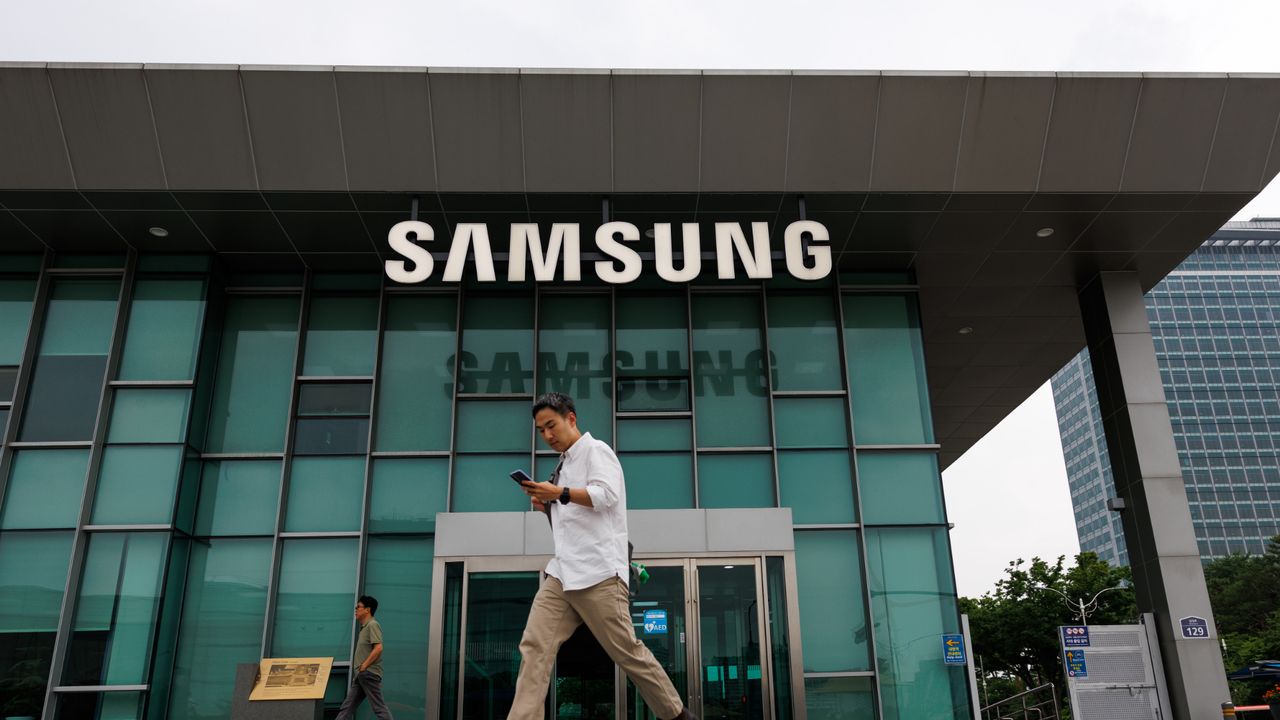
Samsung Electronics, the crown jewel of South Korea’s technology sector and a vital node in the global semiconductor ecosystem, is currently at a critical crossroads in its labor relations. The National Samsung Electronics Union (NSEU) has expressed a surprising willingness to avert what could be the first major strike in the company’s history, but only if management agrees to a revolutionary demand: total wage and bonus transparency. This shift in tactics marks a significant departure from traditional labor movements in Asia, which have historically focused on aggressive top-line salary hikes.
Instead, the current demand is rooted in the values of the ‘MZ Generation’—South Korea’s term for Millennials and Gen Z—who prioritize procedural justice and meritocratic clarity over collective loyalty.
The core of the friction lies in the complex and often opaque methodology used to calculate performance-based bonuses, which can account for nearly half of an employee’s total annual income. In recent years, significant disparities between the semiconductor division (DS) and the mobile experience division (MX) have led to widespread internal resentment. Employees are no longer satisfied with being told that their bonuses were determined by a ‘secret formula’; they are demanding to see the raw data and the specific metrics that dictate their financial futures.
For Samsung, addressing this demand is a double-edged sword. While it could foster a culture of trust and long-term retention, it also requires the company to open its books in a way that may clash with its traditionally secretive corporate governance.
The global stakes of this domestic dispute cannot be overstated. As the world’s leading producer of memory chips—including the high-bandwidth memory (HBM) essential for artificial intelligence—Samsung’s operational stability is the foundation of the global tech supply chain. Any disruption at its flagship production facilities in Pyeongtaek or Giheung would send shockwaves through the industry, affecting everyone from AI hardware providers like NVIDIA to smartphone rivals like Apple.
Furthermore, the sensitivity of the advanced semiconductor foundry process means that even a minor lapse in personnel attendance or morale could impact yields on cutting-edge 3nm and 2nm nodes. Consequently, global investors are watching these negotiations not as a human resources issue, but as a critical risk factor for the entire technology market.
Ultimately, this situation presents Samsung with an opportunity to modernize its institutional identity. To compete with the culture of Silicon Valley and keep its top-tier engineers from defecting to rivals, Samsung must evolve beyond the top-down management style of the ‘chaebol’ era. If management can successfully implement a transparent compensation framework, it will likely see a surge in employee engagement and a reduction in organizational friction.
However, if the company continues to resist these demands for clarity, it risks a prolonged period of labor instability that could tarnish its reputation for operational excellence. The outcome of this impasse will serve as a definitive litmus test for whether South Korean industrial titans can adapt to the transparency-driven expectations of the modern high-tech workforce.