🔍 Executive Summary
- Southeast Asia has successfully transitioned from a labor-intensive back-end hub to a high-value strategic center for AI compute, with the region now pursuing aggressive 'technological self-reliance' in advanced packaging and logic design.
Strategic Deep-Dive
The narrative of Southeast Asia (SEA) as a mere secondary assembly line has been permanently retired. At SEMICON SEA 2026, the global semiconductor community witnessed the emergence of a sophisticated ‘AI Compute Corridor’ that is quickly becoming indispensable to the global high-tech supply chain. Historically, nations like Malaysia, Singapore, and Vietnam were viewed through the lens of ‘capacity substitution’—places to shift labor-intensive work away from high-cost markets.
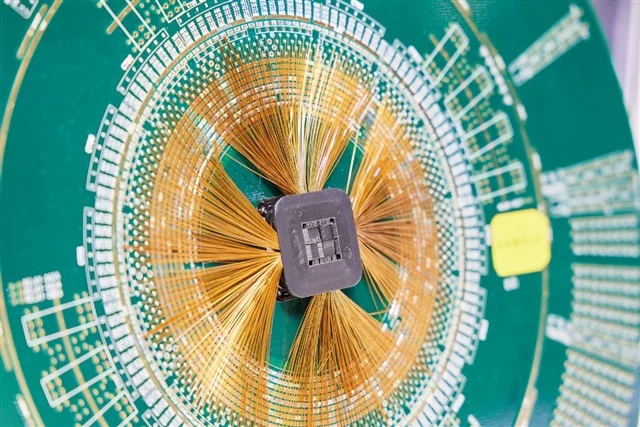
Today, however, the region is engaged in a high-stakes ’long-distance race’ toward technological self-reliance and high-value integration. A key driver of this shift is the global pivot toward advanced packaging. As Moore’s Law slows, the performance gains for AI accelerators are increasingly found in how chips are packaged rather than just how small the transistors are.
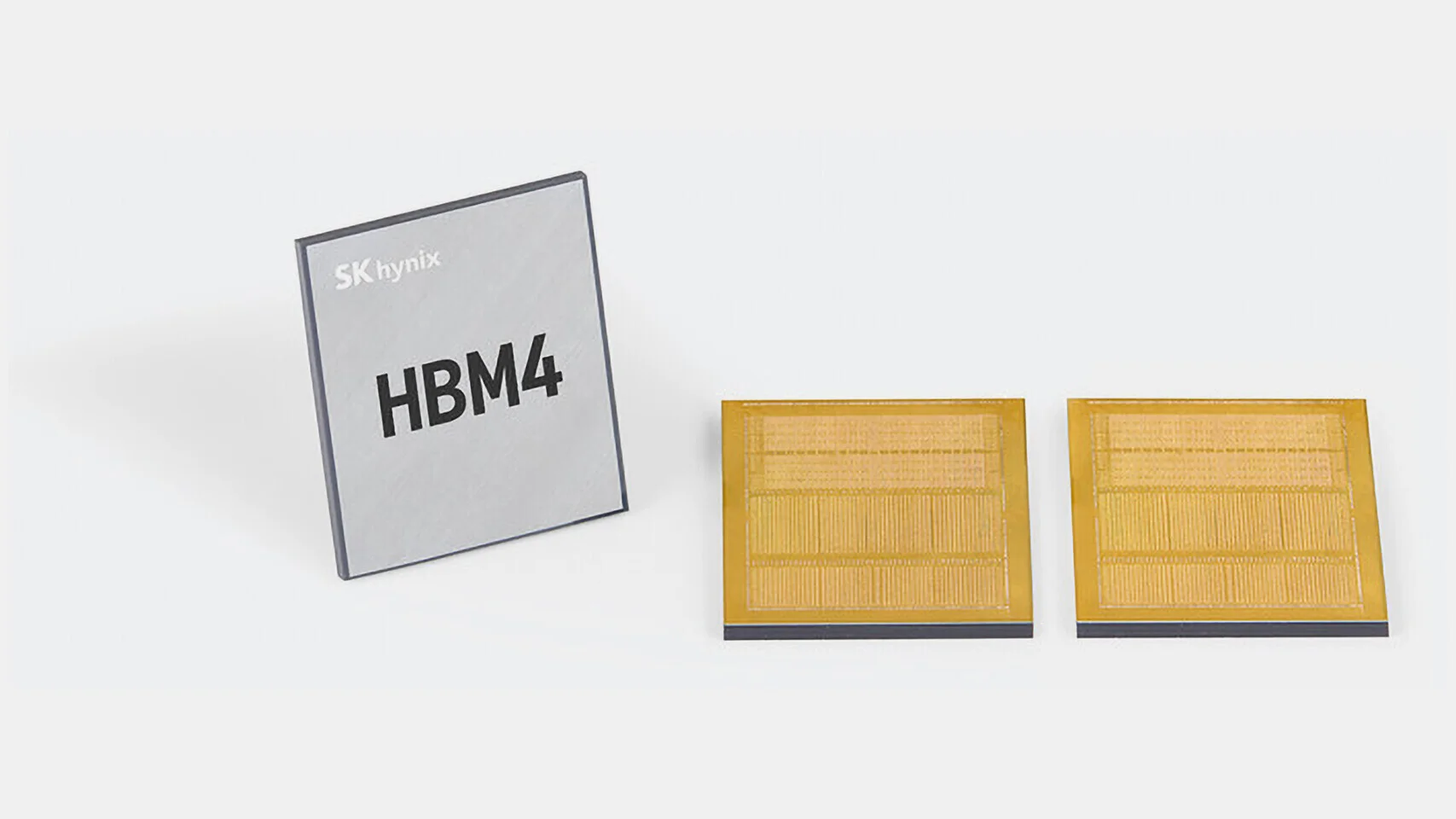
Malaysia, specifically the Penang cluster, has evolved its OSAT (Outsourced Semiconductor Assembly and Test) heritage into a powerhouse of advanced packaging, including 2.5D and 3D stacking. This is critical for AI silicon that requires high-bandwidth memory (HBM) integration near the logic units. Singapore, meanwhile, is solidifying its position as a global design and intellectual property (IP) hub, providing the sophisticated software and architectural frameworks that run on the hardware produced in the neighboring regions.
The ‘strategic hub’ concept discussed during SEMICON SEA 2026 reflects a regional ecosystem that is no longer content with being the ‘hands’ of the industry; it wants to be the ‘brain.’ This movement is bolstered by a massive influx of capital from global giants seeking to mitigate geopolitical risks. These companies are not just building factories; they are establishing R&D centers and fostering local talent to create a resilient, self-sustaining AI ecosystem. The transition from labor-intensive processes to technology-focused strategic partnerships is not without challenges, but the momentum observed in 2026 suggests that Southeast Asia is successfully building the infrastructure to host the next decade of AI innovation.
From logic design to advanced thermal management solutions for server-grade hardware, the SEA region is proving that it has the engineering depth to compete at the highest levels of the semiconductor value chain. The dense crowds and high-level deals signed during the show underscore a collective realization: the path to the AI-driven future runs directly through the technological heart of Southeast Asia.