🔍 Executive Summary
- ESPHome has emerged as the definitive protocol for modern home automation, bridging the gap between DIY complexity and consumer-grade ease of use through its YAML-based configuration and local-first philosophy.
Strategic Deep-Dive
The smart home industry is currently witnessing a massive migration. Users who once relied on commercial, off-the-shelf products from brands like Amazon, Google, or Philips are increasingly switching to ESPHome. This movement is driven by a desire for technical autonomy, privacy, and the elimination of the planned obsolescence that plagues proprietary IoT devices.
ESPHome’s technical framework is brilliant in its simplicity: it abstracts the grueling process of writing C++ firmware for ESP32 and ESP8266 microcontrollers into human-readable YAML configuration files. For beginners, getting started is as simple as defining a few parameters for a sensor or a light switch, then clicking a button to flash the firmware over a USB cable or via Over-the-Air (OTA) updates. This accessibility has democratized hardware hacking, turning a complex engineering task into a manageable hobby.
However, beneath this simplicity lies ’endless possibilities’ for advanced users. ESPHome supports a staggering range of components, from simple DHT11 temperature sensors to complex e-ink displays, addressable RGB LED strips (WLED integration), and custom I2C sensors. One of the most significant advantages of ESPHome is its ’local-first’ architecture.
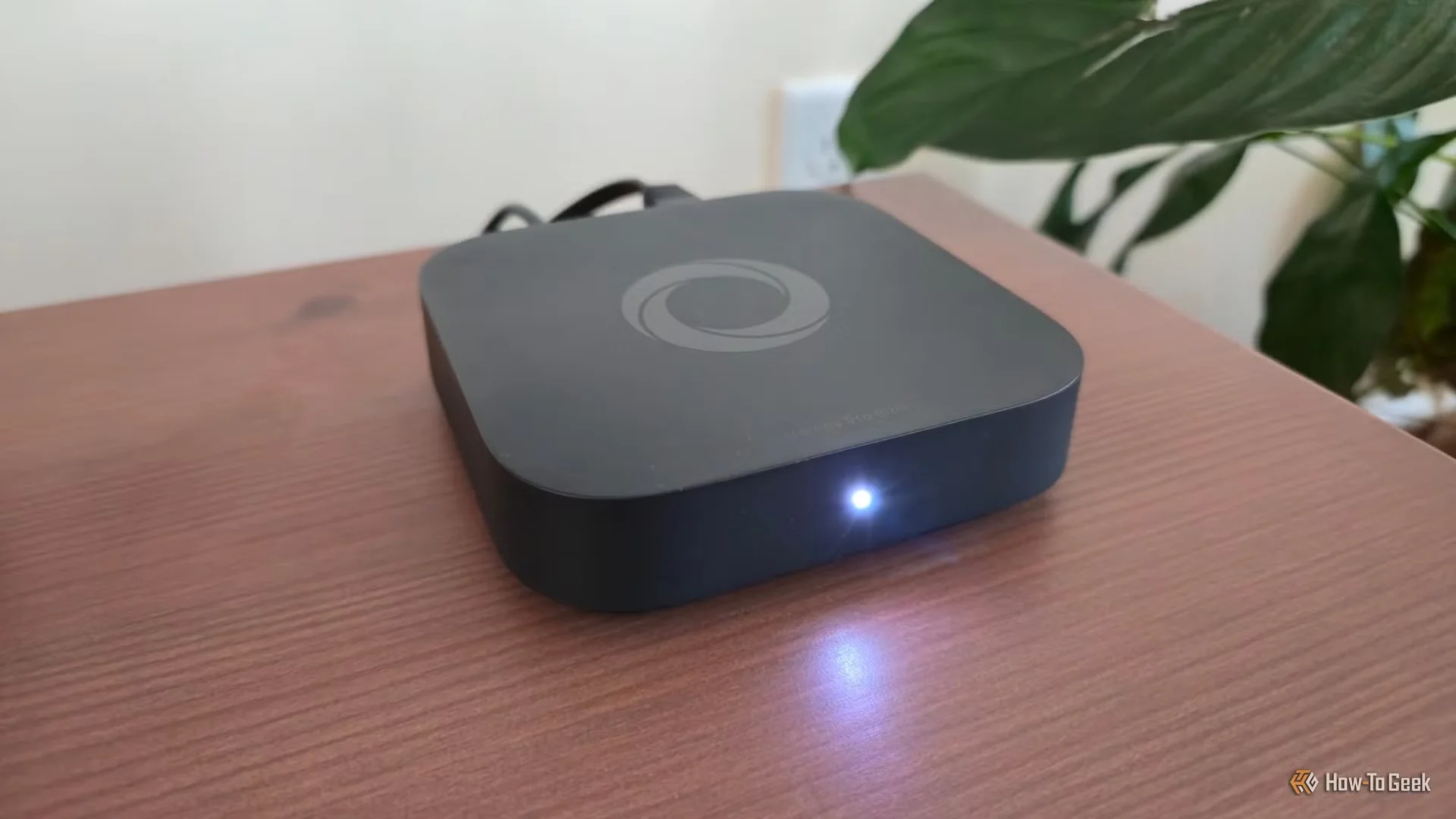
In a traditional smart home setup, your voice command or phone tap travels to a distant cloud server before returning to turn on a lamp, resulting in noticeable latency and a dependency on your internet connection. ESPHome devices communicate directly with a local controller like Home Assistant using the highly efficient native API or MQTT. This ensures that your home stays functional even if your internet goes down and keeps your private data within your four walls.
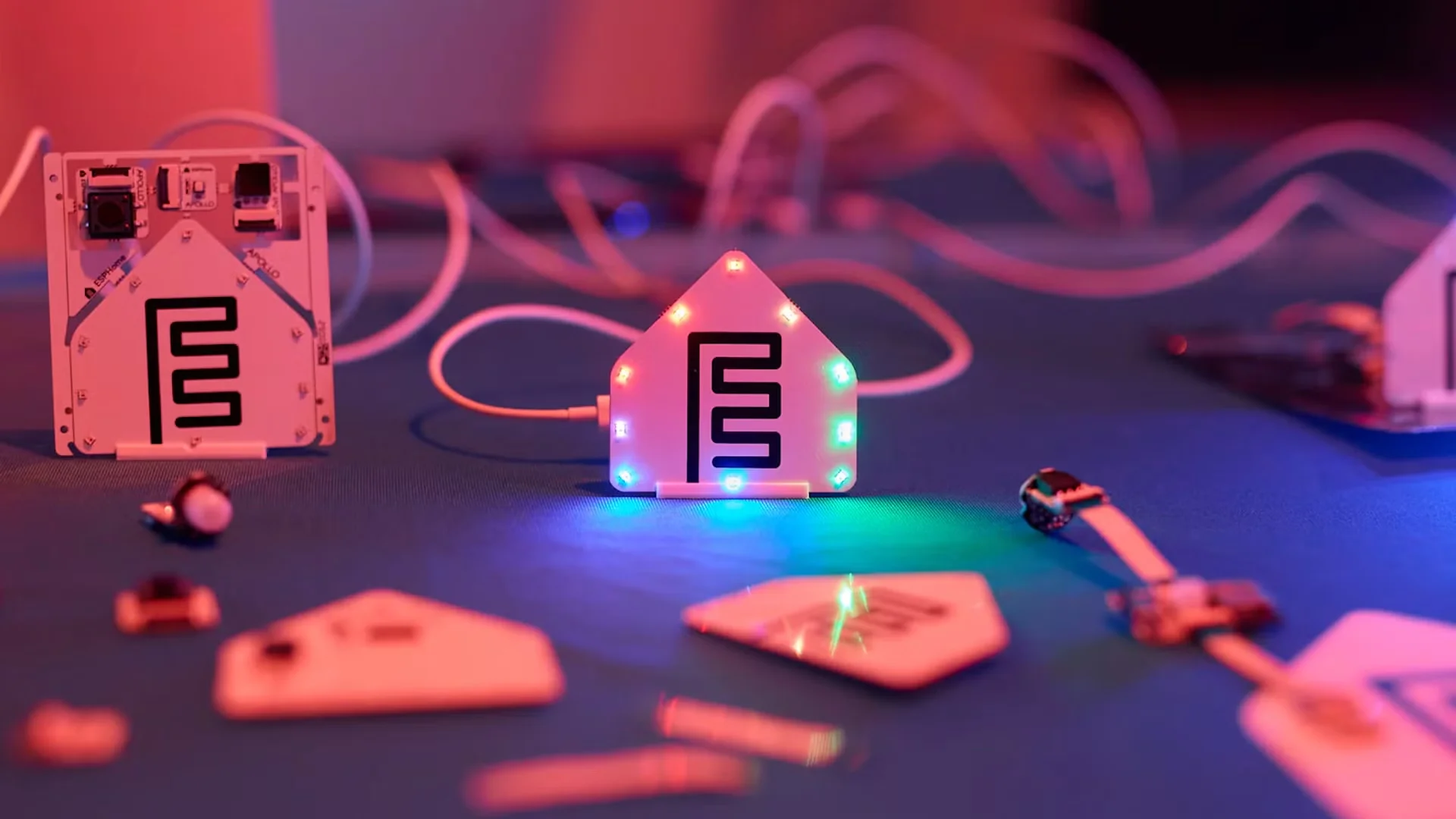
Moreover, the integration with Home Assistant is so seamless that ESPHome devices are often discovered automatically, allowing for zero-touch configuration. The recent trend toward pre-assembled ESPHome-compatible hardware, such as the multisensors provided by Apollo Automation, signifies a shift in the market where hardware is becoming a commodity and the software protocol is the true value driver. By empowering users to build exactly what they need—whether it’s a bed occupancy sensor or a custom climate controller—ESPHome has effectively broken the monopoly of major tech giants over our living spaces.
It represents a fundamental shift from being a passive consumer of smart gadgets to becoming an active architect of one’s own environment, ensuring longevity, security, and a level of customization that commercial products simply cannot match.