🔍 Executive Summary
- This technical analysis explores why modern SSD architecture, governed by the TRIM command and active garbage collection, renders traditional data recovery methods obsolete and data loss permanent.
Strategic Deep-Dive
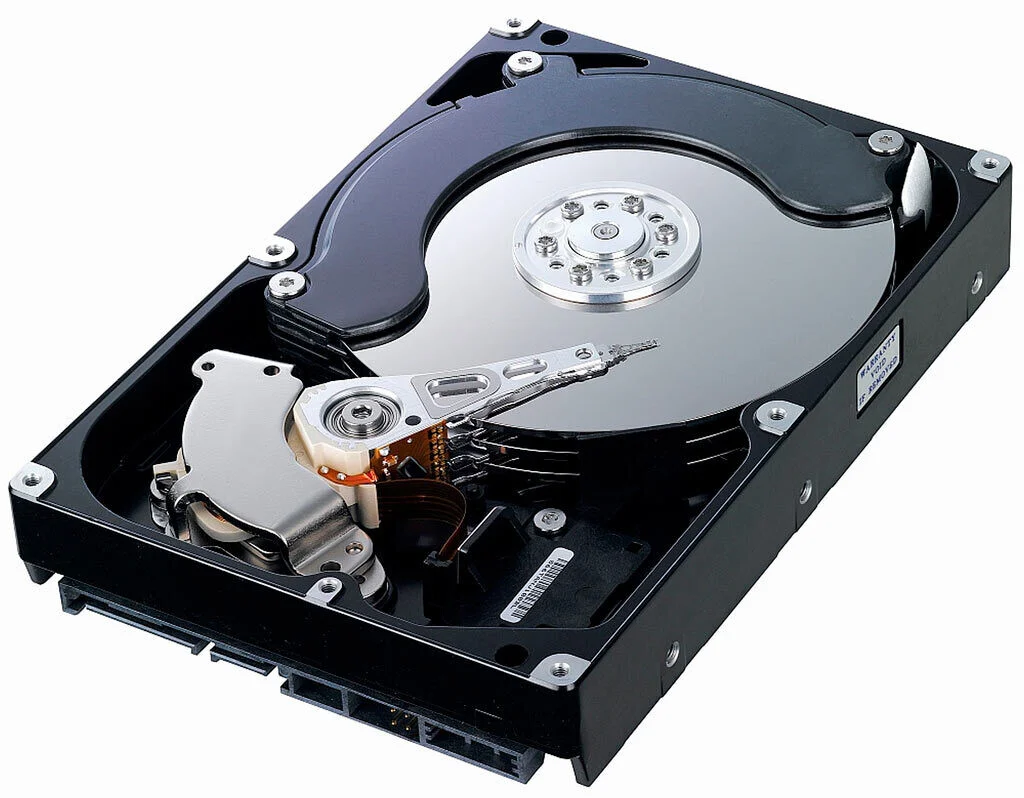
For decades, computer users operated under the comfort of a safety net provided by Magnetic Hard Disk Drives (HDDs). On an HDD, deleting a file is merely a clerical change; the operating system strikes the entry from the file system’s index, but the physical magnetic patterns remain on the platters until they are eventually overwritten. This allowed data recovery software to scan the disk surface and resurrect ’lost’ files with high success rates.
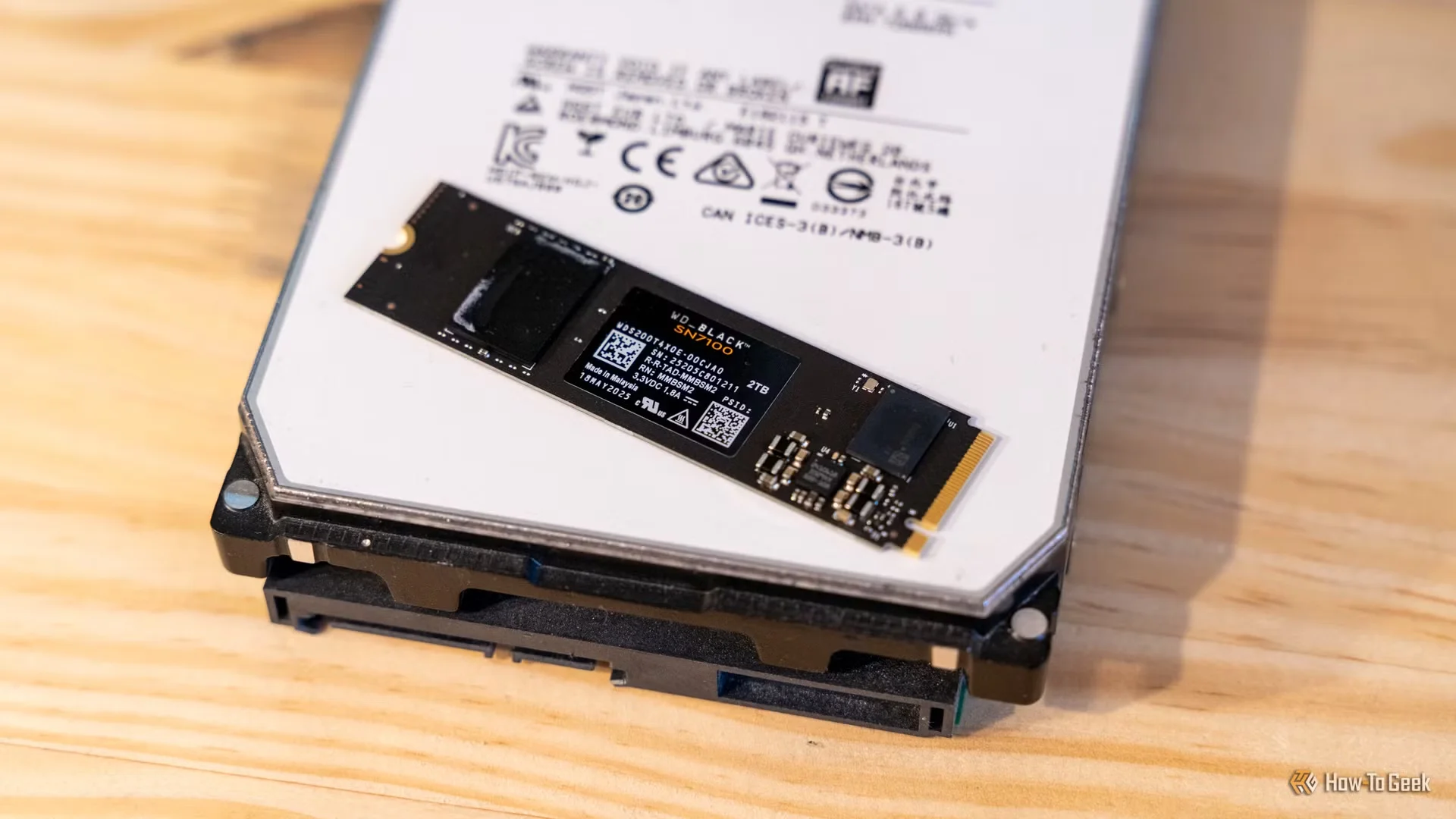
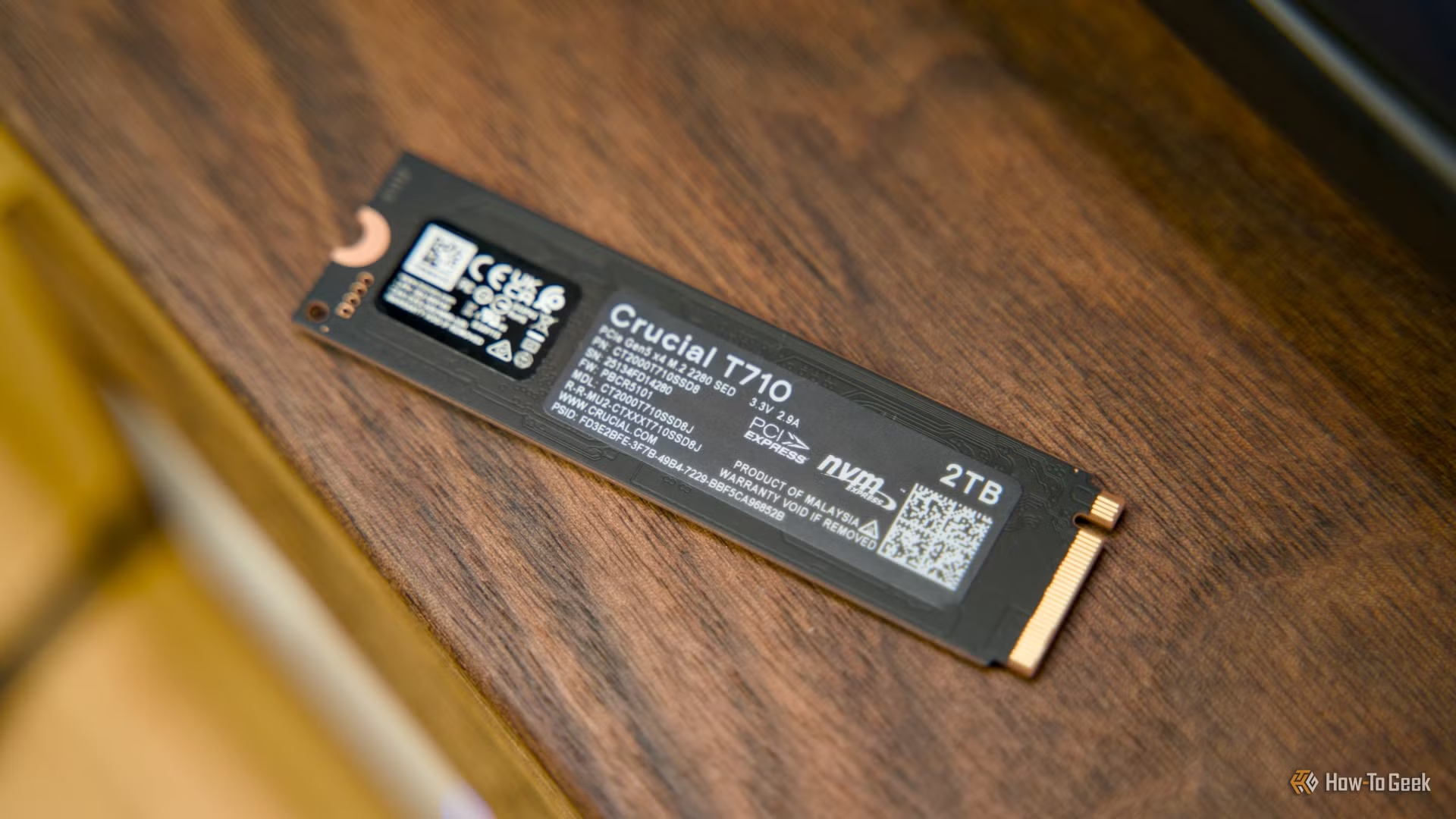
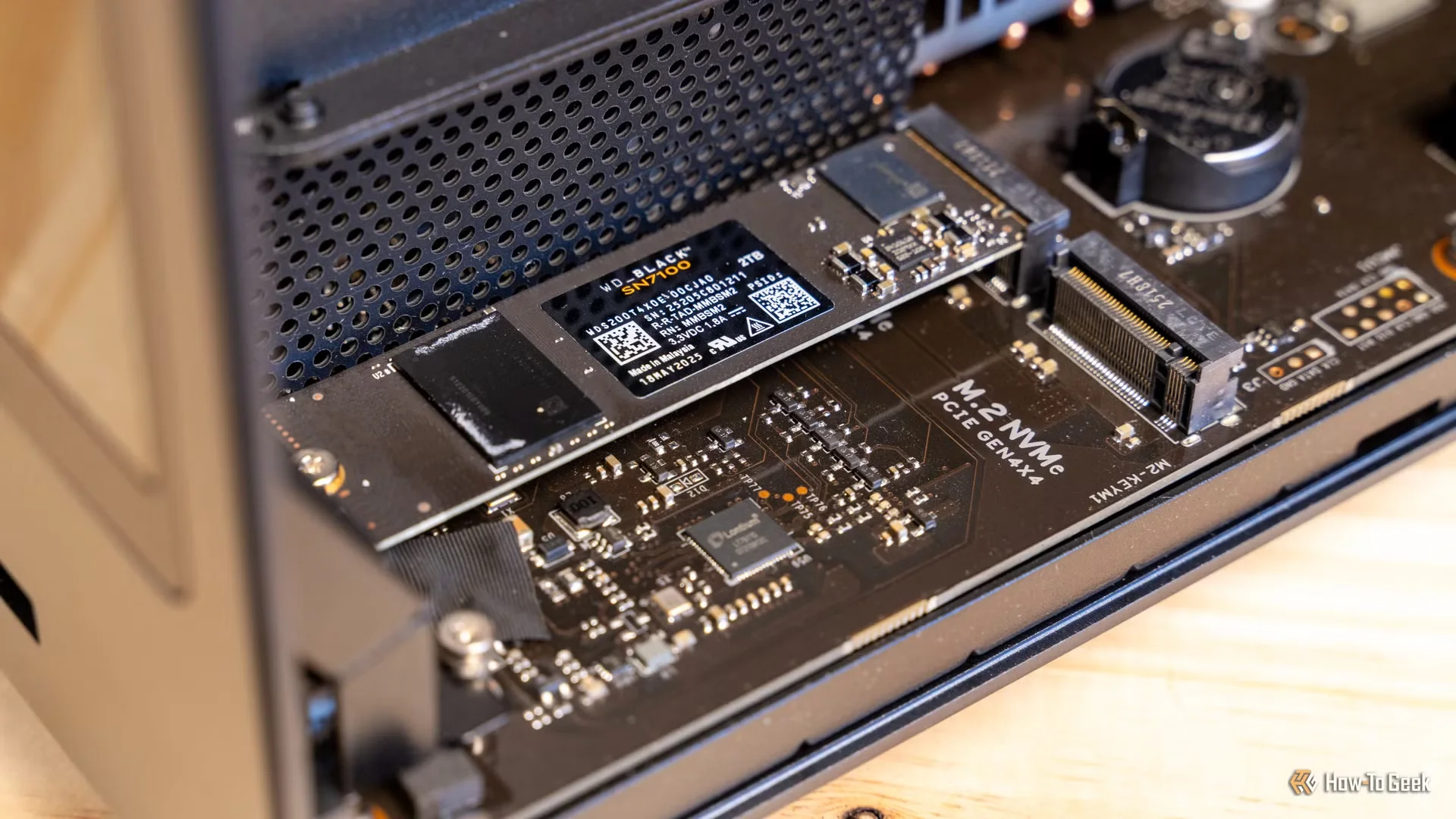
However, the transition to Solid State Drives (SSDs) has fundamentally shattered this reliability. The core of the issue lies in the internal drive mechanisms of NAND flash memory and the relentless efficiency of the TRIM command. Unlike magnetic storage, flash memory cells cannot be directly overwritten.
A cell must be erased before new data can be stored in it. This process is inherently slow and must be done in large blocks, even if only a small page of data needs updating. To maintain high-speed performance, SSDs utilize the TRIM command, an ATA interface command that allows an operating system to inform the SSD which blocks of data are no longer considered in use.
Once a file is deleted and the TRIM command is issued, the SSD controller does not wait for a user to perform a new write operation. Instead, it engages in a proactive process known as Garbage Collection. This internal maintenance task identifies stale data blocks, moves valid data to new locations, and physically erases the old blocks to ensure a pool of clean pages is always available for incoming writes.
From a digital forensics and data recovery perspective, this is catastrophic. Once the garbage collection cycle clears a block, the electrons representing the original data are purged, leaving behind a blank state of ‘zeros’ or ‘ones’ depending on the controller’s logic. There is no residual magnetic ghost or latent charge that a laboratory can reliably reconstruct.
Furthermore, SSDs employ Wear Leveling algorithms to ensure that no single flash cell wears out prematurely. This means data is constantly being shifted across different physical addresses within the drive’s Flash Translation Layer (FTL). The complexity of mapping these logical addresses to physical NAND locations, combined with the automatic background erasure of ’trimmed’ blocks, creates a technical environment where the window for recovery is often measured in seconds rather than days.
In modern operating systems, the moment you empty your trash on an SSD, the drive is already working behind the scenes to sanitize that space. Consequently, for enterprise environments and home users alike, the architectural design of modern storage dictates that data security is no longer about recovery potential, but about the robustness of the primary backup pipeline. Understanding these internal drive mechanisms is essential for any IT professional, as it highlights that in the era of NVMe and NAND flash, deletion is a permanent, non-reversible physical event.