🔍 Executive Summary
- A proposal from IRGC-linked media targets the $10 trillion daily transaction volume pulsing through undersea cables, threatening a new digital tax.
Strategic Deep-Dive
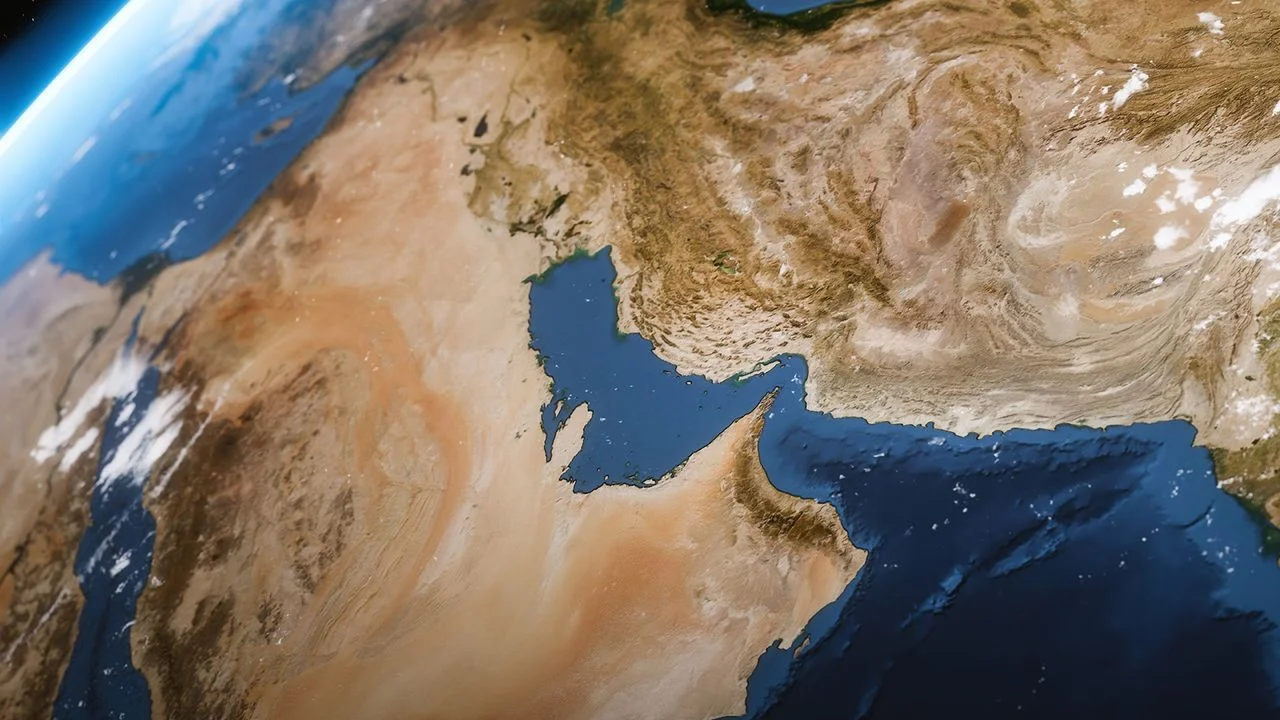
The Strait of Hormuz, a historical flashpoint for global energy security, is now being characterized as a critical ‘digital pressure point’ following aggressive statements from media outlets linked to Iran’s Revolutionary Guard Corps (IRGC). The reports outline a provocative plan to exert control over and impose taxes on the undersea internet cables that traverse this vital maritime corridor. At the center of this strategic threat is the staggering volume of data flowing through these cables: an estimated $10 trillion in global financial and commercial transactions pulse through these digital arteries every single day.
By targeting this infrastructure, Iran is effectively positioning itself to capture a cut of the global economy’s lifeblood. This move represents a sophisticated evolution in digital geopolitics, where a nation leverages its control over a physical geographic bottleneck to threaten the invisible architecture of international finance and communication. The vulnerability of these undersea cables to regional interference underscores a profound risk to global internet stability.
Unlike oil tankers that can potentially be rerouted, the physical path of undersea fiber optics is fixed and highly susceptible to disruption in shallow, narrow straits. The proposal to tax digital traffic signals a new era of economic warfare, where digital infrastructure is treated as a sovereign asset to be leveraged against the international community. As the world becomes increasingly reliant on real-time data for every facet of modern life, the strategic importance of the Hormuz Strait as a global internet artery cannot be overstated, making its potential as a digital choke point a matter of urgent international concern.