🔍 Executive Summary
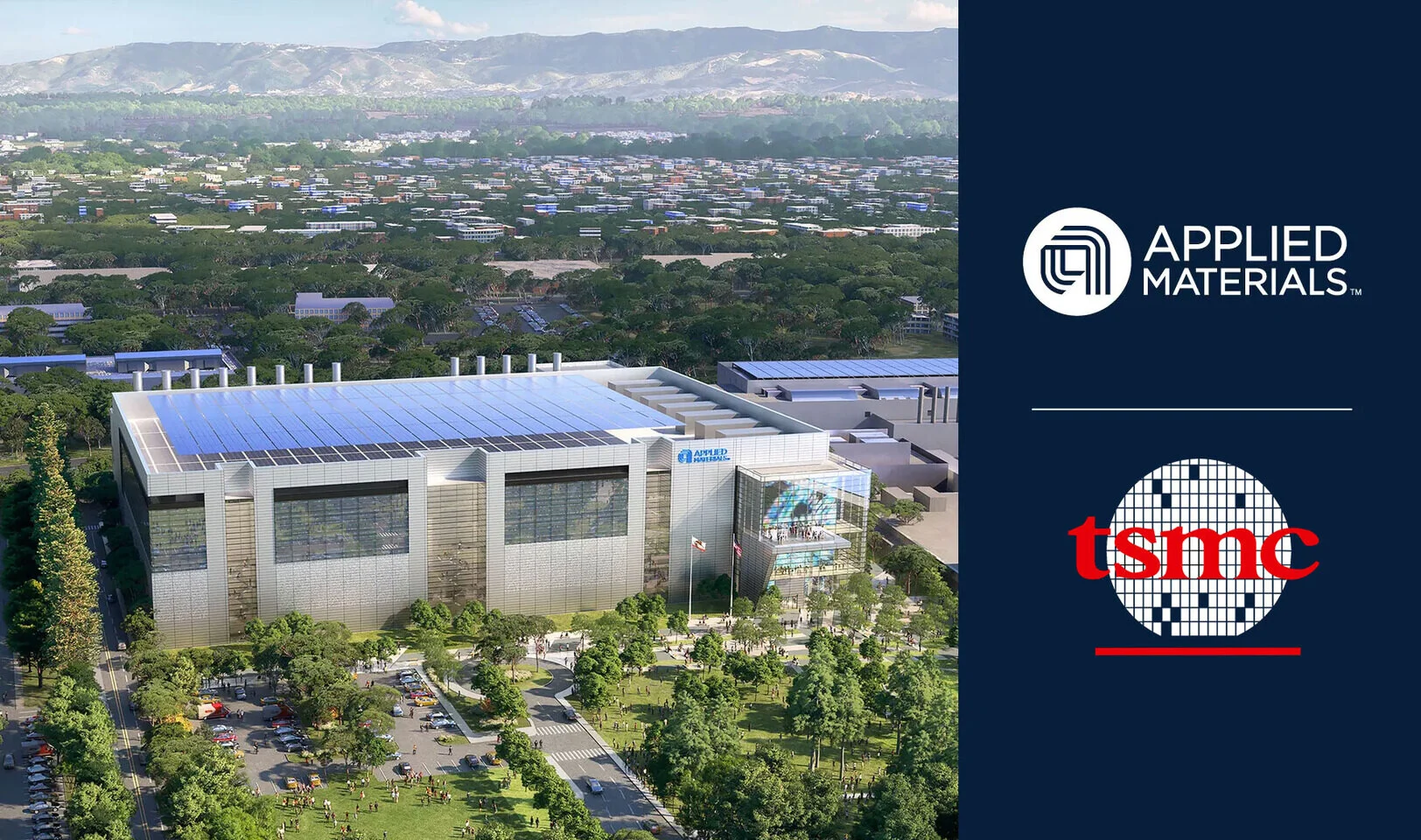
- Applied Materials and TSMC have solidified a partnership at the EPIC Center to accelerate the development and high-volume manufacturing (HVM) of energy-efficient AI chips, aimed at both the data center and edge computing sectors.
Strategic Deep-Dive
The partnership between Applied Materials and TSMC at the EPIC Center marks a watershed moment for the semiconductor industry, specifically targeting the burgeoning demands of the artificial intelligence era. By aligning the world’s leading provider of materials engineering solutions with the premier dedicated semiconductor foundry, the collaboration aims to fundamentally alter the trajectory of AI chip development. The central objective is the acceleration of commercialization timelines, ensuring that breakthroughs in energy efficiency and computational density reach the market faster than ever before.
This is particularly crucial for the next generation of data centers and edge computing devices, where power consumption remains a primary barrier to scalability. As we move into the Angstrom-era of chip design, the complexity of manufacturing requires a deeper level of integration between equipment providers and fabricators.
At the heart of this alliance is a shared focus on bridging the gap between innovative process technology and high-volume manufacturing (HVM). Historically, the transition from successful laboratory-scale development to mass production has been fraught with technical challenges and long lead times. The EPIC Center collaboration seeks to mitigate these hurdles by integrating equipment innovation directly into the manufacturing workflow.
This synergy allows for the real-time optimization of advanced semiconductor nodes, providing cloud service providers and consumer device manufacturers with a predictable and accelerated roadmap for AI integration. The emphasis on energy efficiency also addresses a critical global concern regarding the carbon footprint of massive AI model training and inference, which is becoming a top priority for hyperscalers like Google and AWS.
For the broader technology ecosystem, this partnership represents a vertical integration of expertise that reshapes the competitive landscape. As AI models become increasingly complex, the underlying hardware must evolve at an unprecedented pace. Looking ahead, this collaboration is likely to consolidate the market, as the high capital expenditure required for EPIC-style innovation centers creates a moat that smaller players cannot cross.
We forecast that this will lead to a more streamlined AI hardware supply chain where the time from silicon design to global distribution is reduced by as much as 30%. By shortening the path to HVM, Applied Materials and TSMC are effectively ensuring that the hardware infrastructure remains ahead of software innovation, solidifying their respective leadership positions in the global AI race. This strategic alignment provides a robust foundation for the future of autonomous systems, natural language processing, and advanced robotics.