🔍 Executive Summary
- Lotus's recent pivot away from a 'Pure EV' strategy marks a watershed moment for the high-performance automotive industry. For years, the narrative pushed by boutique manufacturers was a rapid, uncompromising transition to fully electric powertrains. However, the market realities of 2026 have forced a re-evaluation. The strategic shift toward a V8 hybrid setup, specifically the teaser of the 'Type 135,' indicates a move toward 'Multi-Pathway' engineering. From a journalistic perspective, this is a response to the 'EV Plateau' in the luxury segment, where high-net-worth enthusiasts are increasi...
Strategic Deep-Dive
The Re-Evaluation of the Pure EV Mandate: Lotus and the Supercar Paradox
Lotus’s recent pivot away from a ‘Pure EV’ strategy marks a watershed moment for the high-performance automotive industry. For years, the narrative pushed by boutique manufacturers was a rapid, uncompromising transition to fully electric powertrains. However, the market realities of 2026 have forced a re-evaluation.
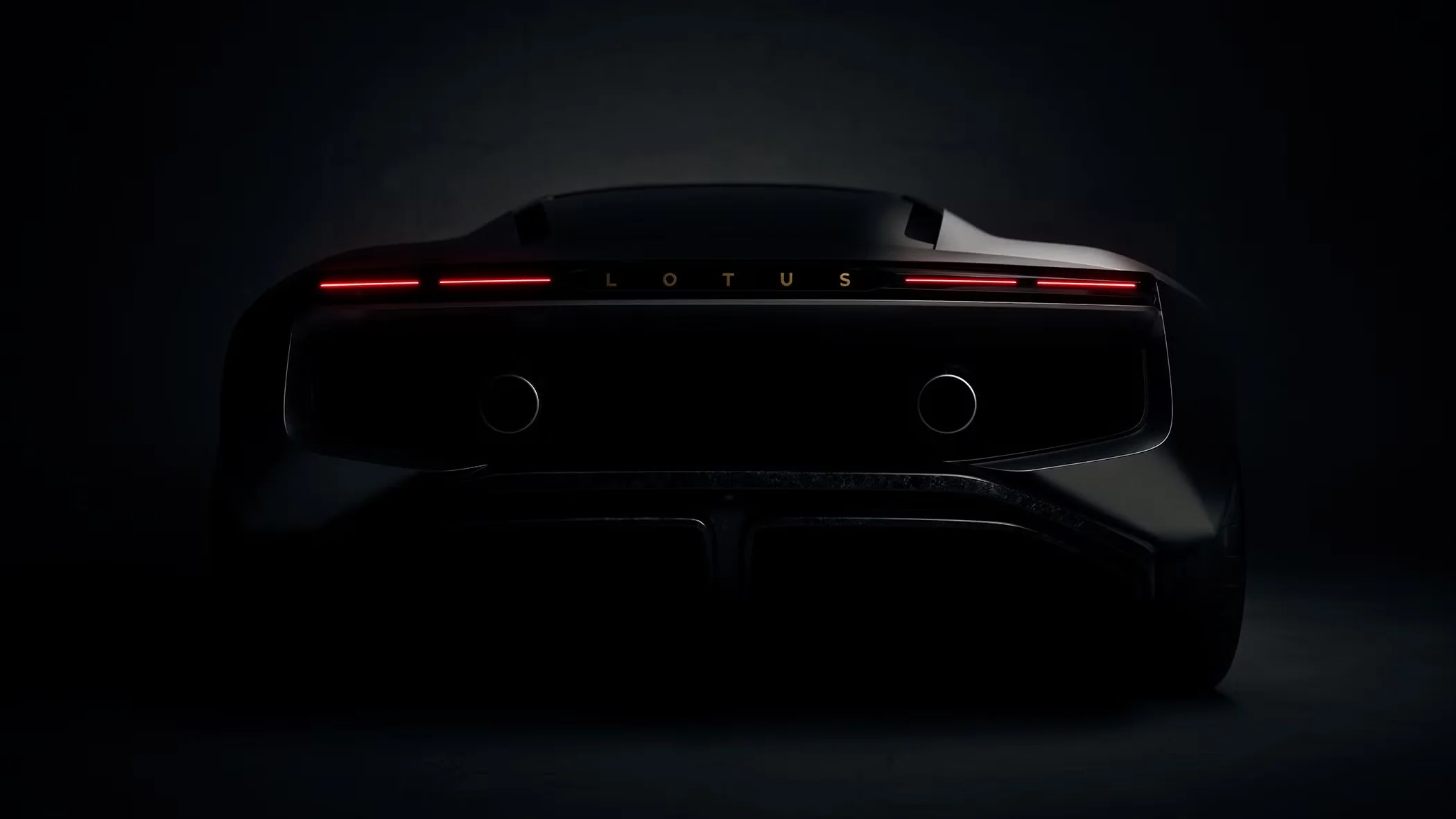
The strategic shift toward a V8 hybrid setup, specifically the teaser of the ‘Type 135,’ indicates a move toward ‘Multi-Pathway’ engineering. From a journalistic perspective, this is a response to the ‘EV Plateau’ in the luxury segment, where high-net-worth enthusiasts are increasingly vocal about the lack of visceral engagement and mechanical soul in pure electric models.
Engineering the Type 135: Balancing Weight and Raw Power
The ‘Type 135’ project serves as the standard-bearer for this new direction. In the world of high-performance data architecture, the primary constraint is the energy-to-weight ratio. While pure EV supercars can deliver sub-2-second 0-60 mph times, the mass of a 100kWh battery pack—often exceeding 600kg—compromises the handling agility that defines Lotus.
By opting for a V8 hybrid configuration, Lotus engineers can utilize a smaller, high-density battery for instant torque fill and short-range silent running, while the V8 internal combustion engine provides the sustained high-end performance and thermal stability required for track use. This hybrid approach allows for a significantly more optimized weight distribution than a full-scale BEV chassis could offer at this stage of cell technology.
Strategic Realism vs. Environmental Dogma
This shift does not represent an abandonment of sustainability goals, but rather a pragmatic integration of electrification. The luxury market has proven that consumers are not ready to sacrifice the acoustic signature and mechanical complexity of a multi-cylinder engine for the clinical efficiency of an electric motor. From an investigative standpoint, this reflects a broader trend among brands like Ferrari and Porsche, who are investing heavily in e-fuels and high-performance hybridization to preserve their heritage.
Lotus is recognizing that ‘EV-only’ was perhaps a premature mandate for a brand whose value proposition is built on being ’lightweight.’ By pivoting back to the V8, Lotus is ensuring its long-term viability by aligning its product roadmap with the actual desires of the supercar collector. This ‘Multi-Pathway’ approach provides a resilient hedge against fluctuating EV adoption rates and varying global regulatory environments, proving that in the high-end market, performance and emotion still trump pure efficiency.