🔍 Executive Summary
- The unprecedented joint visit of Nvidia CEO Jensen Huang and Donald Trump to Beijing signals a high-stakes attempt to recalibrate the US-China semiconductor trade relationship in the AI era.
Strategic Deep-Dive
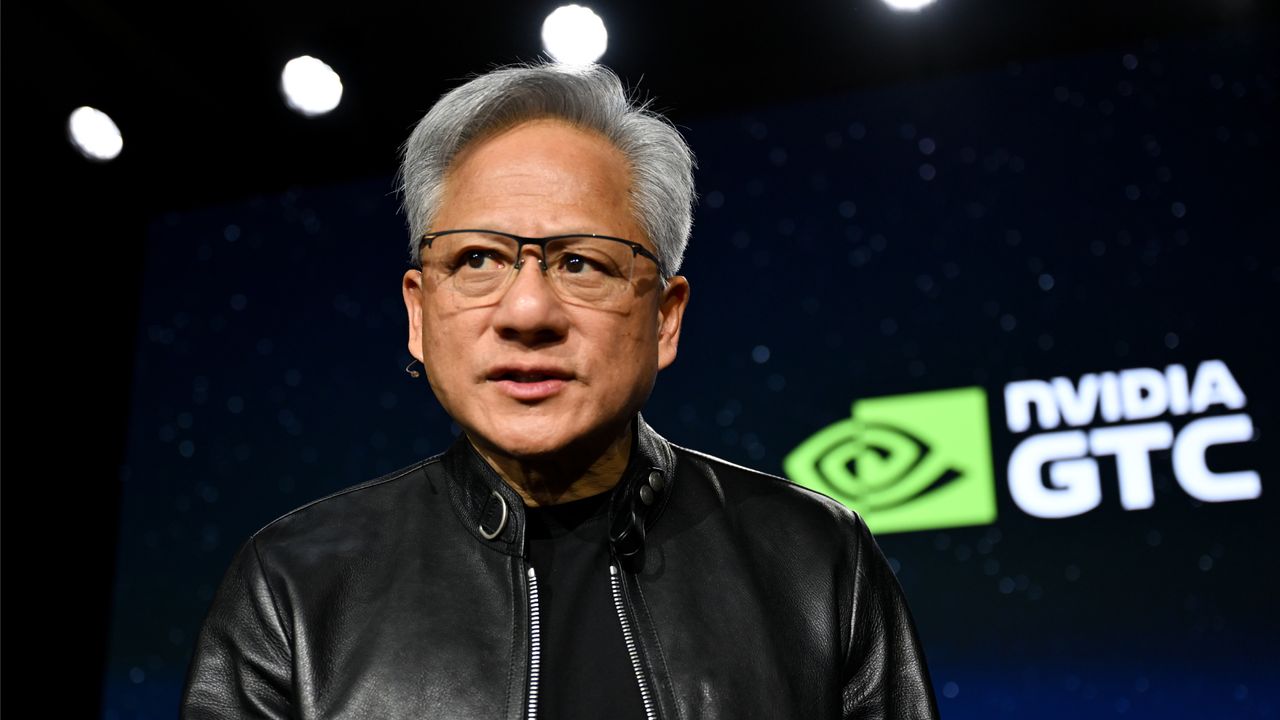
The intersection of technological supremacy and geopolitical maneuvering has reached a dramatic crescendo with Nvidia CEO Jensen Huang’s arrival in Beijing, accompanied by Donald Trump. This high-profile visit, detailed by Nikkei Asia on May 13, 2026, represents a bold and perhaps risky attempt at ‘Silicon Diplomacy.’ As Nvidia maintains its near-monopoly on the high-end GPUs essential for generative AI, its strategic interests have become inextricably linked with US foreign policy. For Huang, this trip is about safeguarding a massive revenue stream; for Trump, it is about the optics of ’negotiating from a position of strength’ with the world’s second-largest economy, leveraging Nvidia’s chips as the ultimate bargaining chip.
The data surrounding Nvidia’s China exposure provides the necessary context for this move. In late 2022 and throughout 2023, successive rounds of export controls by the US Department of Commerce effectively barred Nvidia from selling its flagship A100 and H100 chips to Chinese entities. This led to a multi-billion dollar revenue vacuum, which Nvidia attempted to fill with ‘sanction-compliant’ variants like the H20.
However, recent market analysis suggests that these downgraded chips are losing favor among Chinese cloud giants like Tencent and Alibaba, who are increasingly pivoting to domestic alternatives like Huawei’s Ascend 910C. Estimates suggest Nvidia’s share in the Chinese AI accelerator market could drop from over 85% to below 40% within two years if current restrictions remain static. By traveling to Beijing, Huang is making a direct play to prevent this decoupling from becoming permanent.
Strategically, the inclusion of Donald Trump adds a layer of complex political signaling. It suggests that Nvidia is looking beyond current administrative policies and seeking to influence the future of US-China trade logic. If this visit results in a ‘Carve-out Agreement’—whereby specific AI hardware is permitted for civilian use in exchange for Chinese concessions in other trade areas—it would represent a significant victory for Nvidia’s bottom line.
For the broader tech sector, this signals that the ‘Great Decoupling’ is not an inevitability, but a negotiable process. Nvidia is effectively positioning its proprietary CUDA software ecosystem as a bridge that keeps Chinese developers tied to Western standards, argued as a long-term strategic advantage for the US.
However, the risks are equally profound. Critics in Washington argue that any softening of chip exports empowers China’s military-industrial complex and its ability to refine autonomous weapons systems. The market reaction to the Beijing visit has been volatile, reflecting both the optimism for restored sales and the fear of a political backlash.
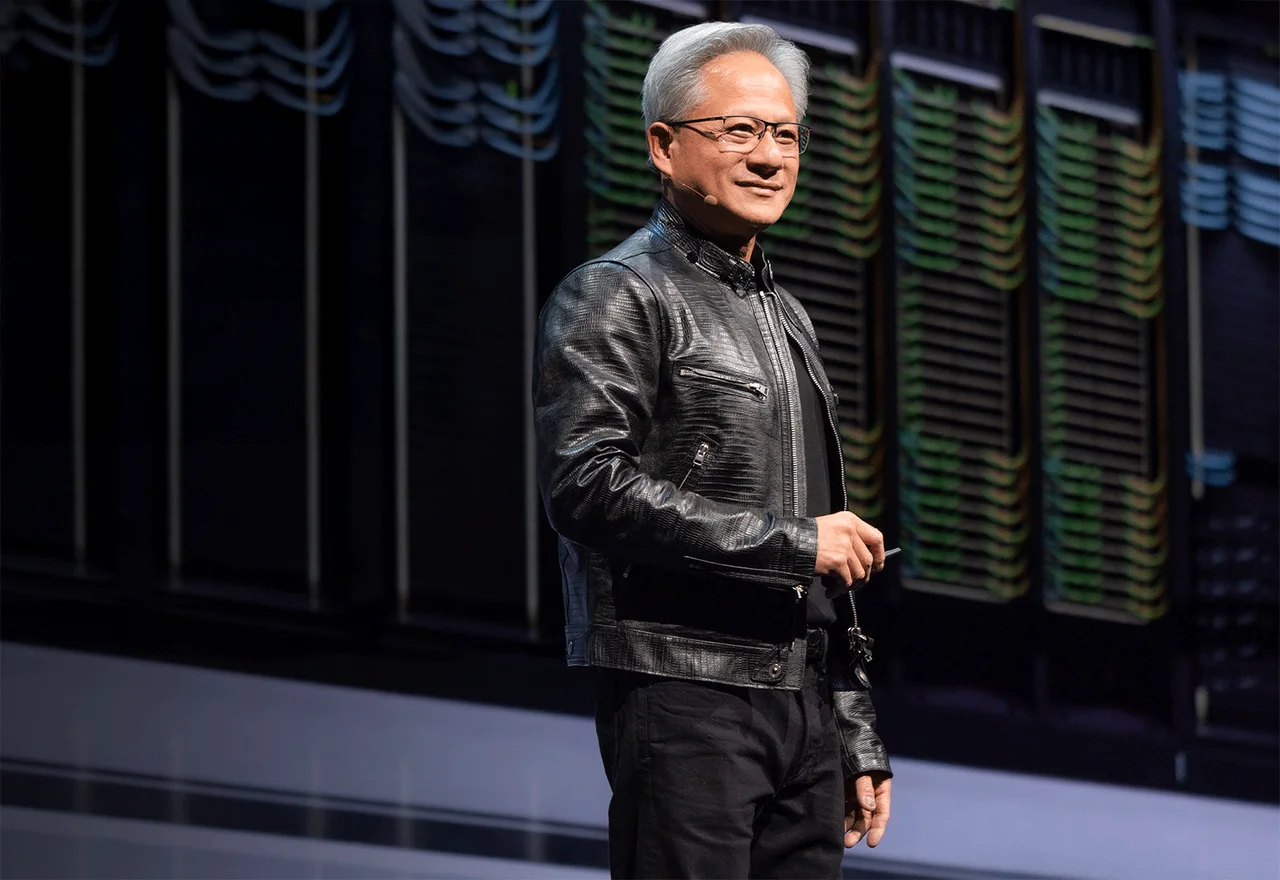
Regardless of the immediate outcome, the Huang-Trump summit in Beijing underscores a new era where the leaders of semiconductor firms must act as de facto diplomats. In a world where compute power translates directly to national power, the leather-clad CEO is no longer just a corporate leader—he is a geopolitical actor of the highest order, navigating a landscape where the lines between commercial success and national security are increasingly blurred. Whether this move leads to a new ‘AI détente’ or serves as a catalyst for tighter scrutiny, it marks the moment when tech titans officially stepped onto the world’s center stage to dictate the terms of global engagement.