🔍 Executive Summary
- DeepComputing has launched the DC-ROMA RISC-V Mainboard III, providing a $699 modular upgrade path for Framework Laptop 13 users and establishing RISC-V as a viable everyday computing platform.
Strategic Deep-Dive
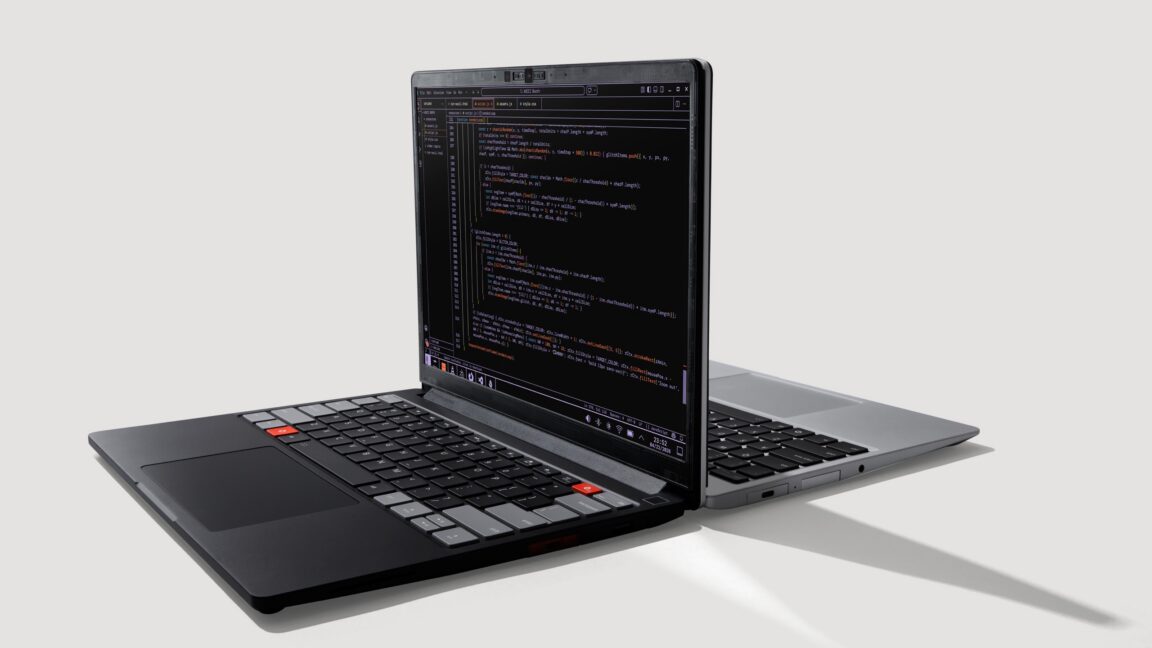
DeepComputing’s release of the DC-ROMA RISC-V Mainboard III for the Framework Laptop 13 represents a watershed moment for the modular computing movement. By integrating the RISC-V Instruction Set Architecture (ISA) into a high-quality consumer chassis, DeepComputing is moving beyond the hobbyist microcontroller market into the realm of functional, portable workstations. Priced at $699, the DC-ROMA III provides a tangible and affordable entry point for developers, security researchers, and open-source enthusiasts to engage with RISC-V natively.
This launch effectively validates the Framework ecosystem’s promise: that the motherboard—and indeed the entire architecture of the machine—is a replaceable component rather than a permanent fixture.
Architecturally, the DC-ROMA III is a marvel of integration, fitting a high-performance RISC-V SoC into the strict thermal and spatial constraints of the 13-inch Framework form factor. Unlike previous RISC-V laptops which often felt like prototypes with subpar displays and keyboards, this mainboard allows users to leverage Framework’s premium peripherals, including its high-resolution screen and modular expansion cards. From a performance-per-watt perspective, RISC-V offers unique opportunities for optimization that are often restricted in the proprietary x86 and ARM ecosystems.
Developers can access the hardware at a lower level, allowing for custom extensions and deep software-hardware co-design that is essential for next-generation security and AI applications.
The strategic implications of this hardware release are profound. In an era where technological sovereignty is becoming a national priority for many regions, an open ISA like RISC-V provides a path toward computing independence. By removing the licensing hurdles associated with traditional vendors, RISC-V enables a more diverse and competitive silicon landscape.
While the software ecosystem—particularly for consumer-facing Linux distributions—is still catching up, the availability of professional-grade hardware like the DC-ROMA III acts as a vital catalyst for software optimization. It provides a real-world target for kernel developers and application maintainers to ensure their software runs flawlessly on non-proprietary silicon.
Future Competitive Outlook: As RISC-V continues to mature, we anticipate a shift in the laptop market where the choice of ISA becomes as common as choosing between Intel or AMD. The DC-ROMA III proves that the modular architecture of the Framework Laptop is the perfect sandbox for this evolution. For the first time, a user can upgrade their laptop from an x86 machine to a RISC-V machine in under fifteen minutes using nothing but a screwdriver.
This democratizes hardware access and poses a direct challenge to the closed-loop manufacturing models favored by industry giants. DeepComputing has not just launched a motherboard; they have inaugurated a new era of architectural pluralism in personal computing.