🔍 Executive Summary
- Google has unveiled Gemini Intelligence and the Googlebook series, signaling a shift toward tight vertical integration of hardware and software to deliver seamless AI automation and proactive mobile security.
Strategic Deep-Dive
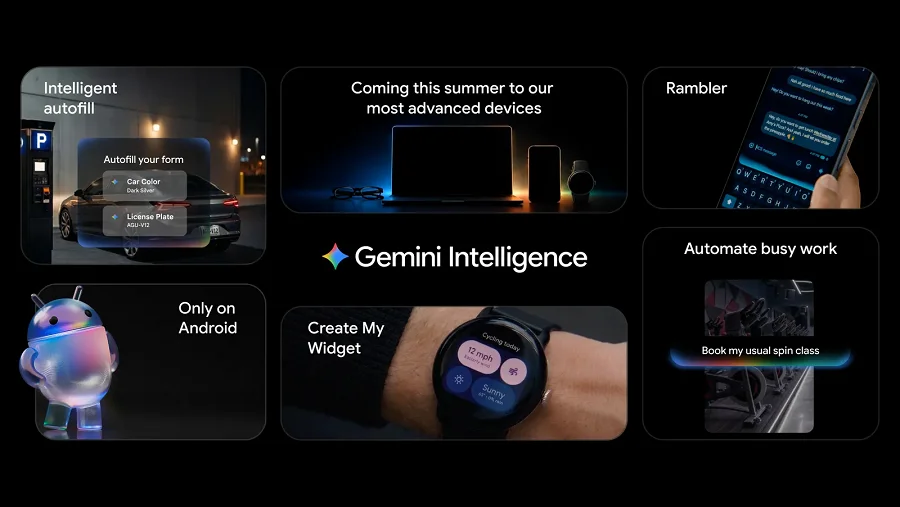
Google LLC is fundamentally pivoting its strategy to address the fragmented nature of the Android ecosystem by introducing Gemini Intelligence and the Googlebook hardware line. During its latest virtual event, ‘The Android Show,’ the company detailed how Gemini Intelligence transcends the role of a standard virtual assistant to become an orchestration layer within the Android OS. This integration allows for deep system-level automation, where the AI can predict user intent and manage multi-step workflows across diverse applications.
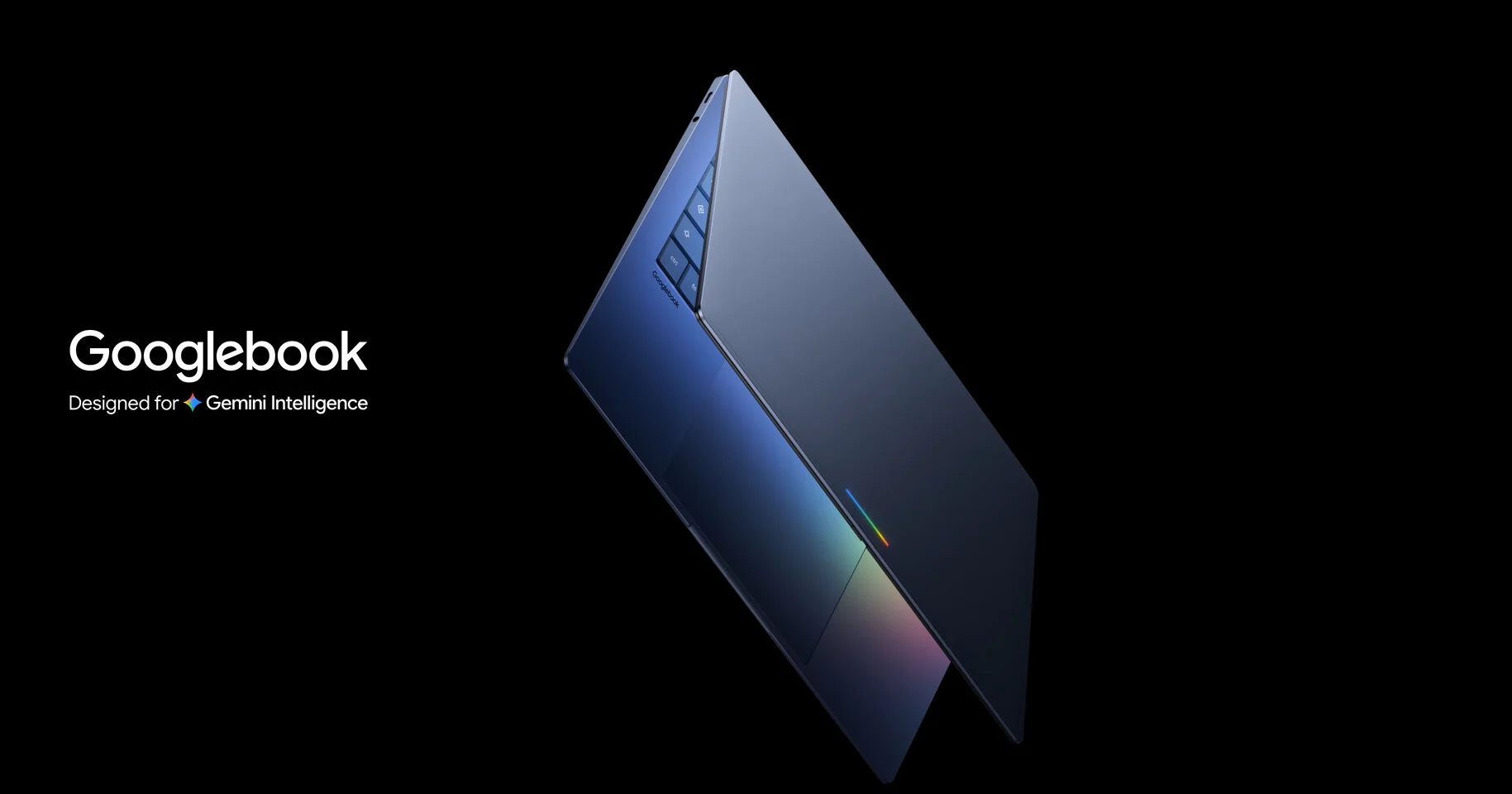
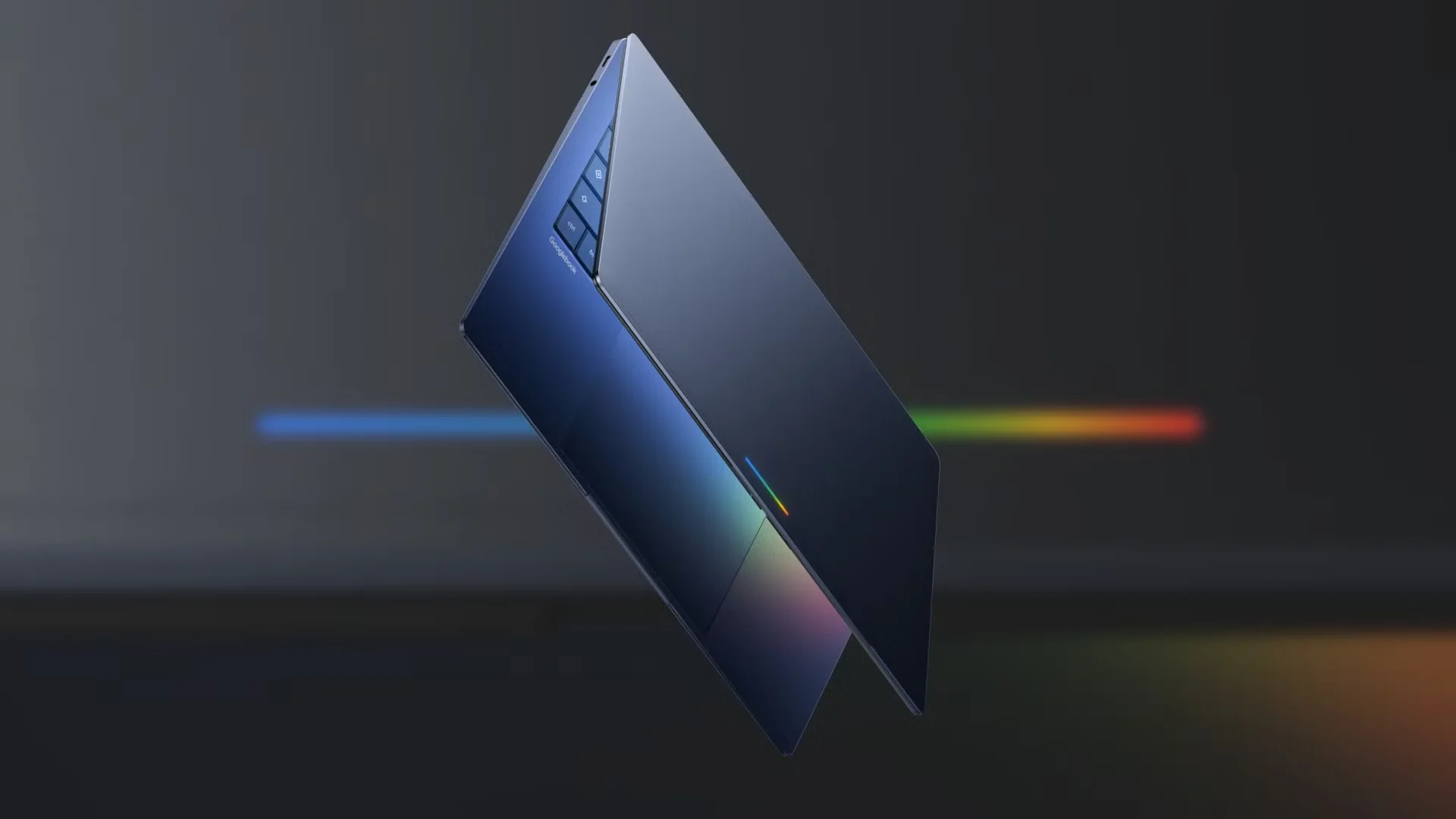
To complement this software evolution, Google introduced the Googlebook laptop series, a premium hardware platform specifically engineered to handle the intensive computational requirements of locally processed AI models. This move signifies Google’s intent to follow a vertical integration path similar to Apple’s ‘Apple Intelligence,’ ensuring that the silicon and the software are optimized in tandem.
A significant portion of the technical briefing focused on the new AI-driven mobile security protocols. Unlike traditional reactive security, these features utilize on-device machine learning to monitor system calls and sensor data. For instance, the new theft detection lock uses AI to recognize the sudden physical movement associated with a phone being snatched from a user’s hand, triggering an immediate lockdown.
Simultaneously, the system employs proactive malware scanning that analyzes app behavior in real-time to identify anomalies that signify zero-day threats. The Googlebook series is designed to act as the flagship for these capabilities, providing the necessary NPU (Neural Processing Unit) power to run these security models with minimal latency and battery drain.
Technically, this integration represents a shift toward a ‘System-on-Intelligence’ architecture. By embedding Gemini Intelligence directly into the kernel level and hardware-specific drivers of the Googlebook and Android devices, Google is reducing the overhead of cloud-based inference and prioritizing privacy through local processing. This approach not only enhances performance but also allows for a more personalized user experience, as the AI has direct, secure access to the device’s contextual metadata.
The strategic launch of the Googlebook series positions Google to capture the high-end productivity market, moving beyond the lightweight reputation of previous hardware attempts. It is a calculated move to dominate the user experience by controlling every layer of the technology stack—from the underlying AI models to the physical laptop hardware and the security layers that protect the entire environment.