🔍 Executive Summary
- By partnering with Intel alongside ARM-based vendors, Google is implementing a multi-platform hardware strategy designed to destabilize Microsoft's PC dominance and challenge Apple's silicon edge through architectural diversity.
Strategic Deep-Dive
Google’s decision to integrate Intel into its laptop hardware roadmap marks a significant architectural escalation in the battle for computing supremacy. For decades, the PC market was defined by the ‘Wintel’ duopoly. By securing Intel as a primary partner alongside Qualcomm and MediaTek, Google is effectively dismantling this long-standing alliance.
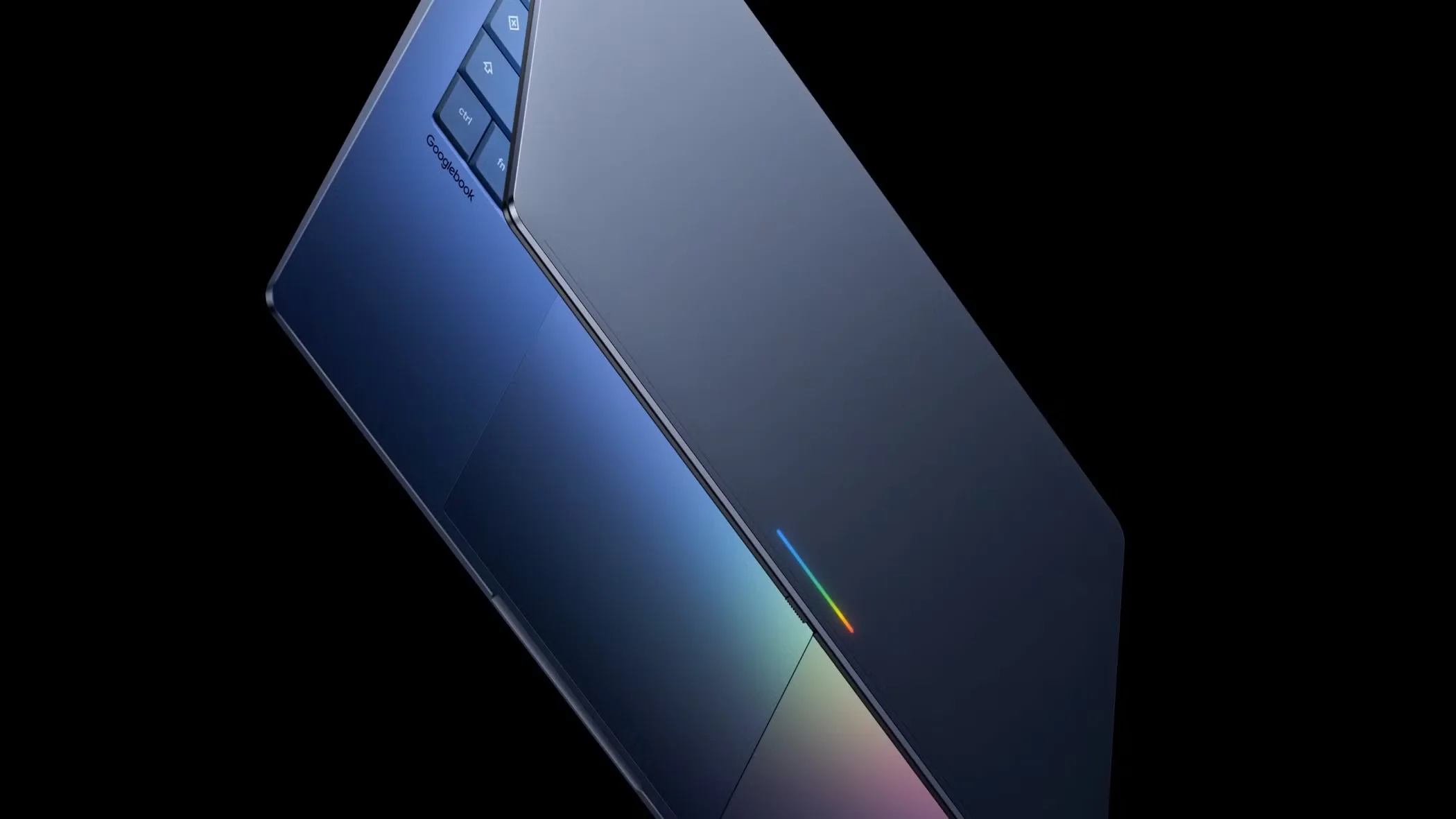
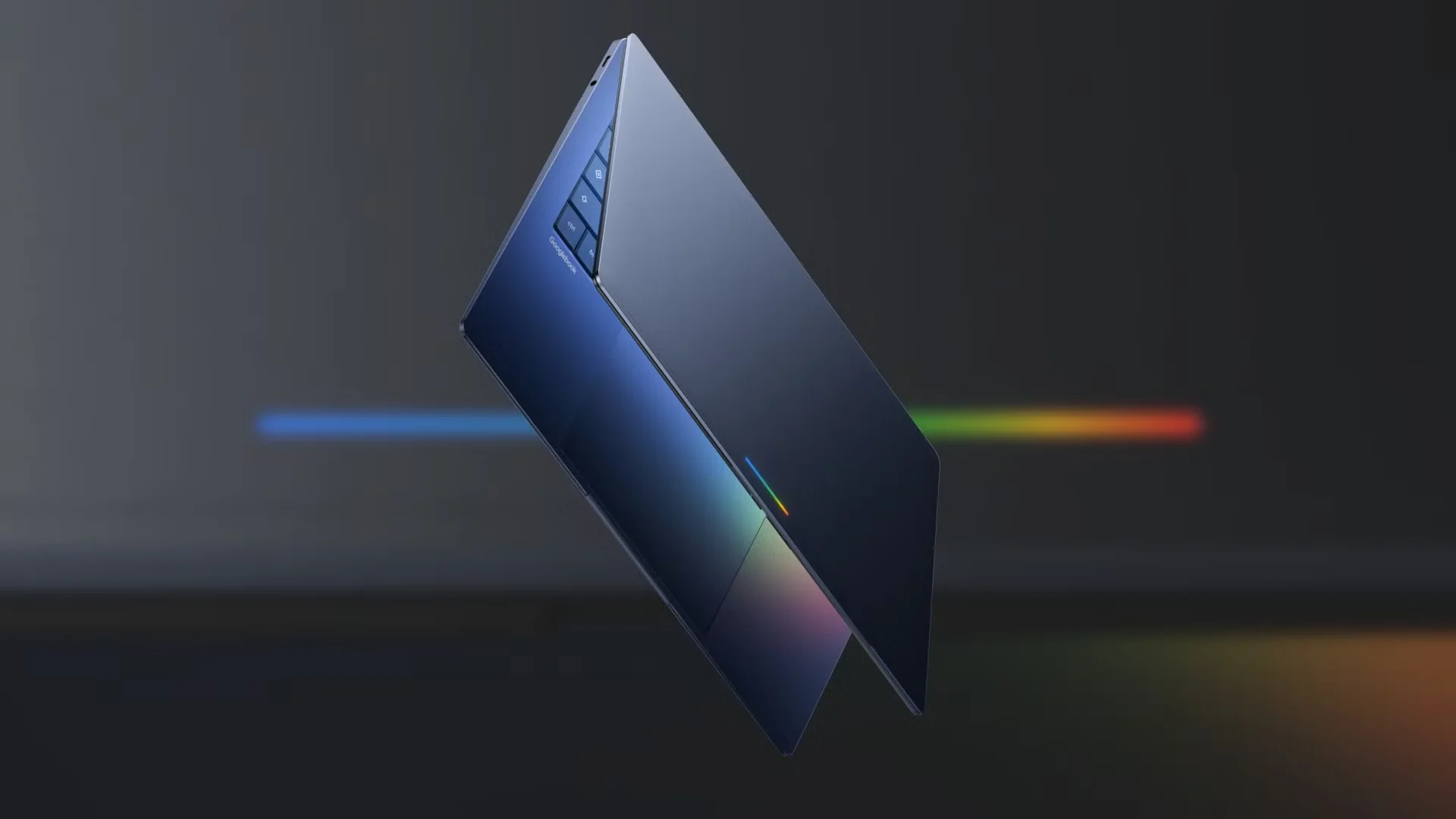
From a Data Architect’s perspective, this is a brilliant play in hardware diversity. By optimizing the Android environment for Intel’s latest x86 architectures (such as the 2026 Lunar Lake successors), Google is ensuring that the Googlebook isn’t just an ARM-based tablet clone, but a high-performance machine capable of heavy multi-tasking and professional applications. This partnership puts immense pressure on Microsoft, as its most critical hardware ally is now facilitating a rival OS.
Simultaneously, it challenges Apple by demonstrating that an open ecosystem can achieve comparable synergy through deep architectural collaboration. This multi-vendor approach ensures supply chain resilience and allows Google to scale its platform across multiple price points and performance tiers, from thin-and-light portables to robust workstations, fundamentally reshaping the competitive landscape of 2026.