🔍 Executive Summary
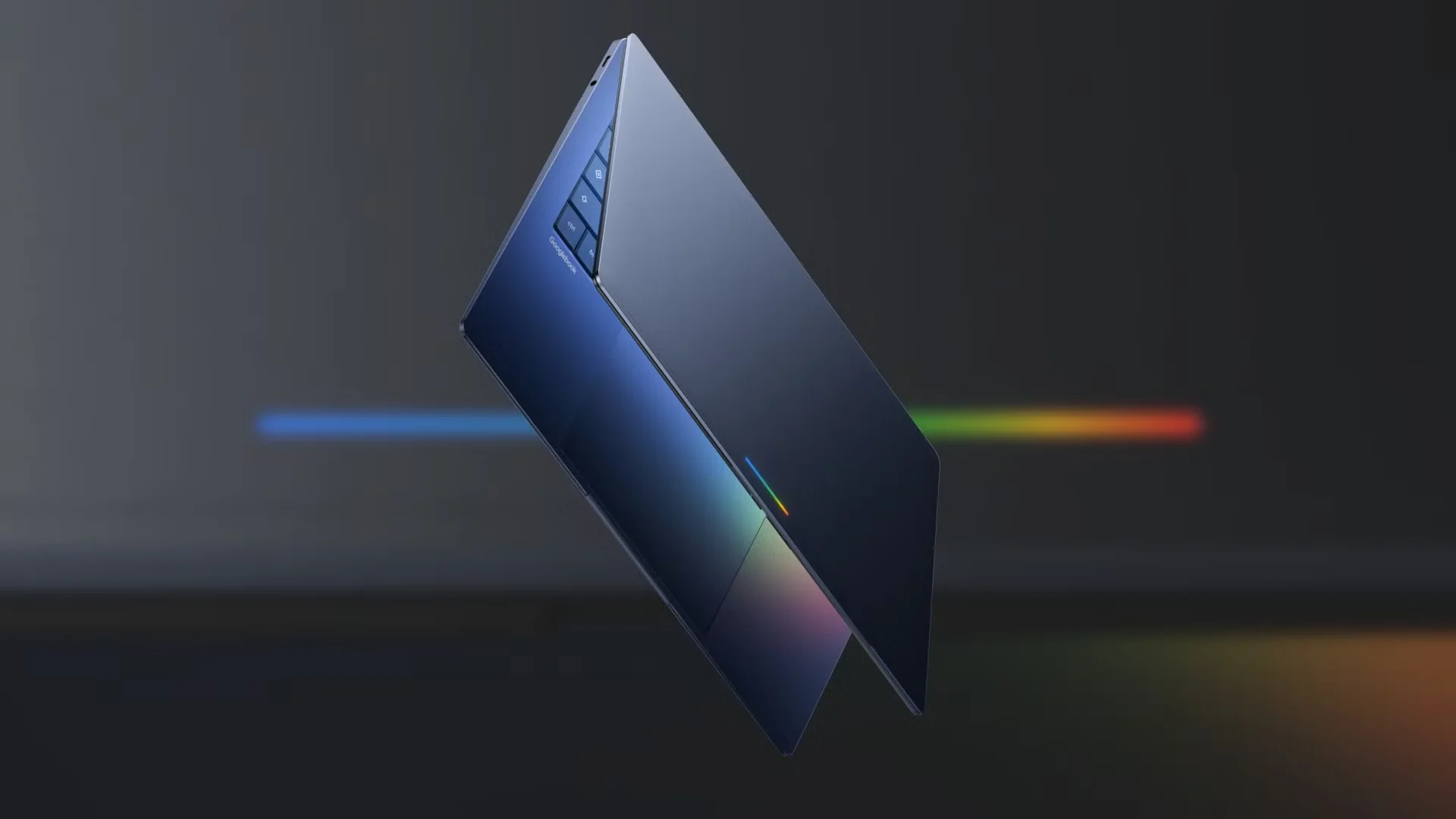
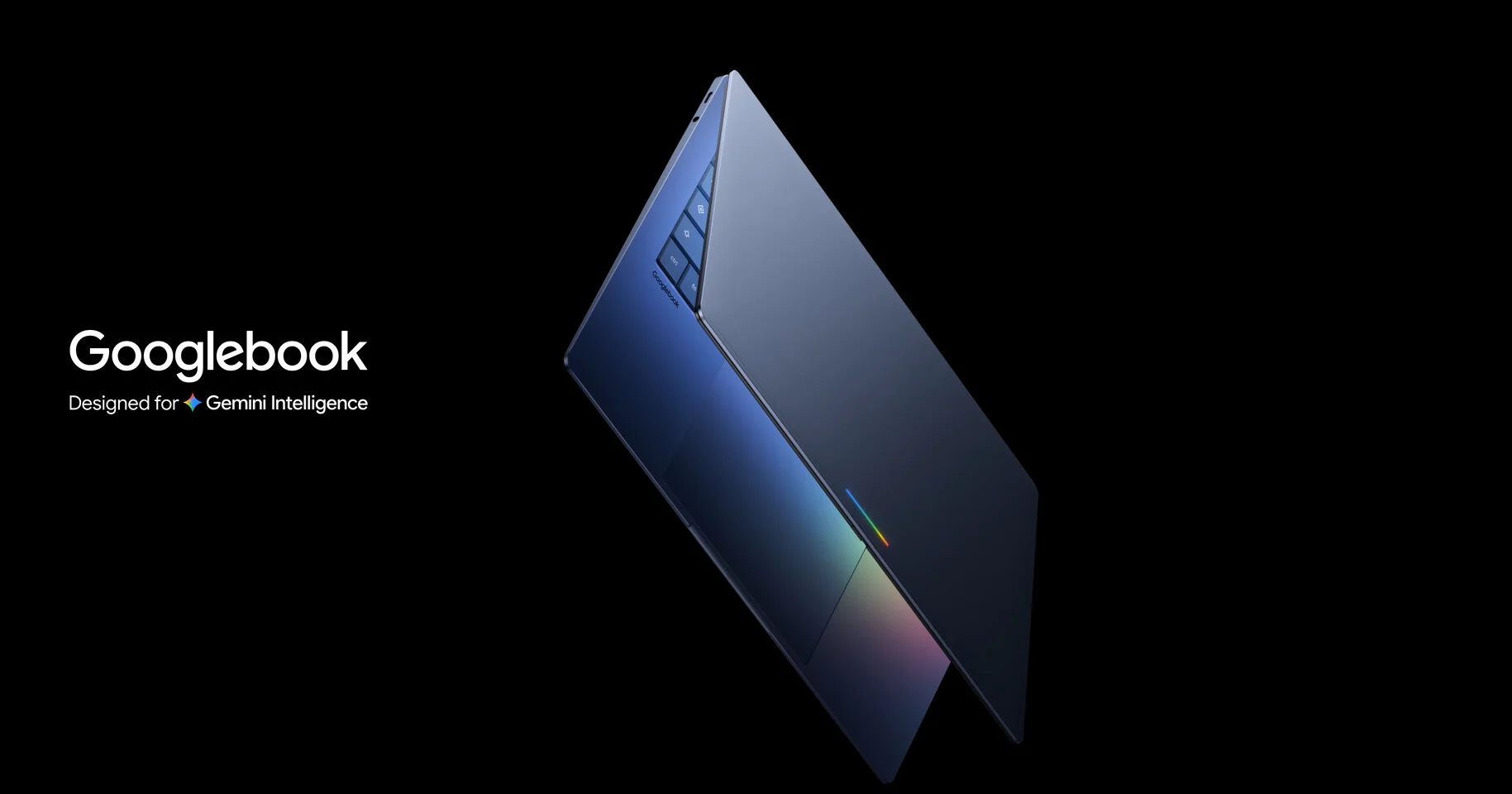
- Intel and Google have solidified a strategic hardware-software alliance, positioning Intel's upcoming 'Wildcat Lake' architecture as the primary engine for the newly rebranded 'Googlebook' platform, which features deep integration with Gemini AI.
Strategic Deep-Dive
The transition from the Chromebook era to the newly christened ‘Googlebook’ platform marks a tectonic shift in the landscape of mobile computing, driven primarily by the exigencies of the generative AI revolution. Google’s decision to retire the legacy Chromebook brand in favor of a platform natively built around Gemini AI indicates a move toward high-performance, intelligent hardware that demands significant local compute resources. Intel has seized this moment to assert its architectural dominance, announcing that its upcoming ‘Wildcat Lake’ processor family will be the foundational silicon for the premier Googlebook models.
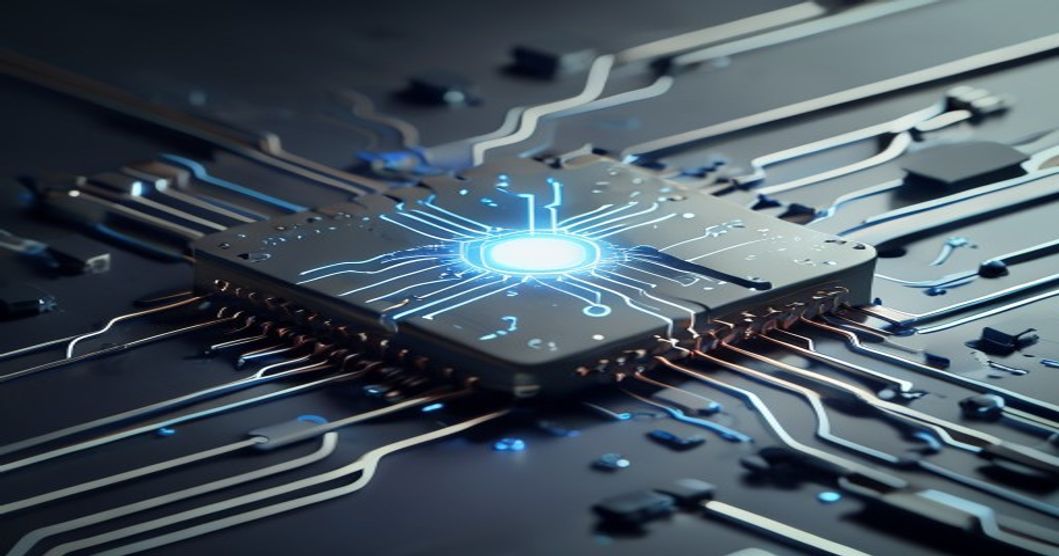
From a technical standpoint, Wildcat Lake represents more than just a seasonal refresh; it is a meticulously engineered architecture designed to balance the complex thermal constraints of thin-and-light laptops with the intensive throughput requirements of modern Neural Processing Units (NPUs). By integrating a high-bandwidth NPU directly into the Wildcat Lake tile, Intel provides the necessary ‘TOPs’ (Tera Operations Per Second) to run Gemini’s large language models (LLMs) locally, significantly reducing latency and enhancing user privacy compared to cloud-only solutions. This collaboration also highlights a sophisticated software-hardware handshake.
Intel engineers have reportedly worked in tandem with Google’s software teams to ensure that the Gemini Nano models are optimized for the x86 instruction set and Intel’s specific execution units. This deep level of ’embedding’ is a direct challenge to the growing influence of ARM-based competitors, such as Qualcomm’s Snapdragon X Elite, which have recently made inroads into the premium laptop market by touting efficiency. Intel’s counter-offensive via Wildcat Lake leverages the company’s manufacturing scale and its long-standing relationship with the Google ecosystem to ensure that the ‘Googlebook’ is not merely a browser-based tool, but a high-performance AI workstation.
As the semiconductor industry moves toward a post-general-purpose era, this alliance suggests that the winners will be those who can provide the most seamless integration between the silicon gates and the AI algorithms they run. For Intel, the success of the Wildcat Lake-powered Googlebook is imperative to defending its mobile market share and establishing a new paradigm for AI-centric personal computing that could define the industry for the next decade.