🔍 Executive Summary
- Audi is challenging the BMW X7 by shifting the definition of luxury from traditional performance metrics to an immersive, digital-first in-vehicle experience powered by a software-defined architecture.
Strategic Deep-Dive
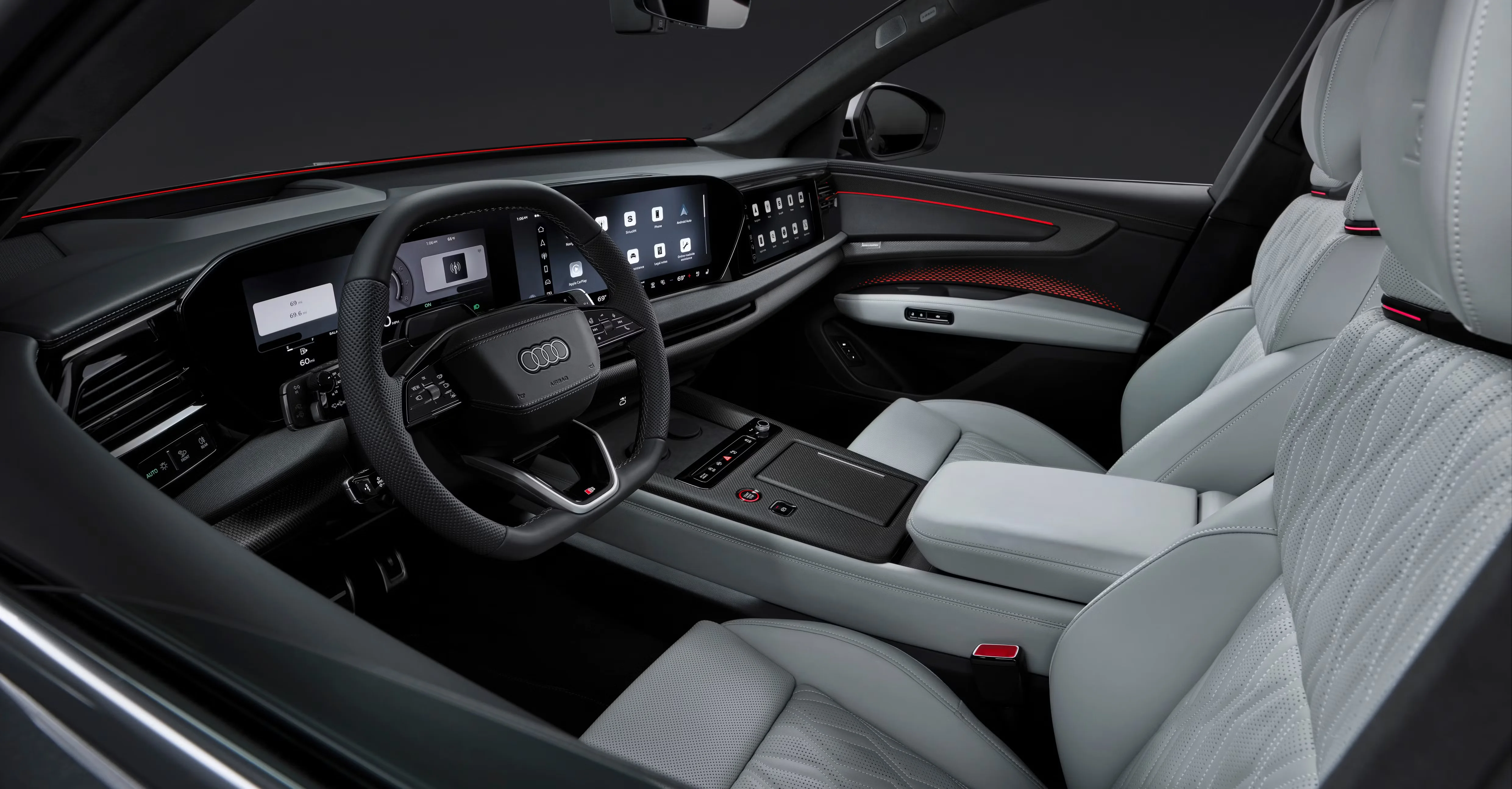
The introduction of the Audi Q9 marks a strategic pivot for the German automaker as it seeks to reclaim its position in the ultra-luxury SUV segment. Rather than engaging in a traditional arms race of horsepower and torque against the BMW X7, Audi has adopted a ‘Digital-first’ philosophy. This approach prioritizes the ‘in-vehicle experience’ as the primary differentiator in the modern luxury market.
In a world where mechanical excellence is increasingly expected as a baseline, Audi argues that true luxury now resides in the seamlessness of the digital interface and the quality of the software ecosystem. The Q9 is designed from the ground up to be a software-defined vehicle, where the interior environment transforms based on the passenger’s digital needs. From advanced augmented reality head-up displays to integrated AI assistants that manage both vehicle functions and personal schedules, the Q9 redefines the cabin as a sophisticated digital sanctuary.
This shift reflects a broader industry trend where premium consumers value time and connectivity over traditional driving dynamics. By focusing on the digital experience, Audi is effectively targeting a new generation of affluent buyers who view their vehicle as a high-tech extension of their digital lives. As autonomous driving technologies continue to evolve, the value of the ’time spent inside’ will only increase, making Audi’s digital-first strategy a prescient move in the competitive landscape of 2026.
The Q9 doesn’t just chase the BMW X7 in terms of size; it attempts to render the traditional competitive metrics obsolete by setting a new benchmark for what a luxury vehicle should provide in the digital age.