🔍 Executive Summary
- In Q1 2026, AMD's EPYC processor lineup captured a record 46.2% of the total server CPU revenue, proving that its high-margin, high-performance strategy is successfully eroding Intel's data center dominance.
Strategic Deep-Dive
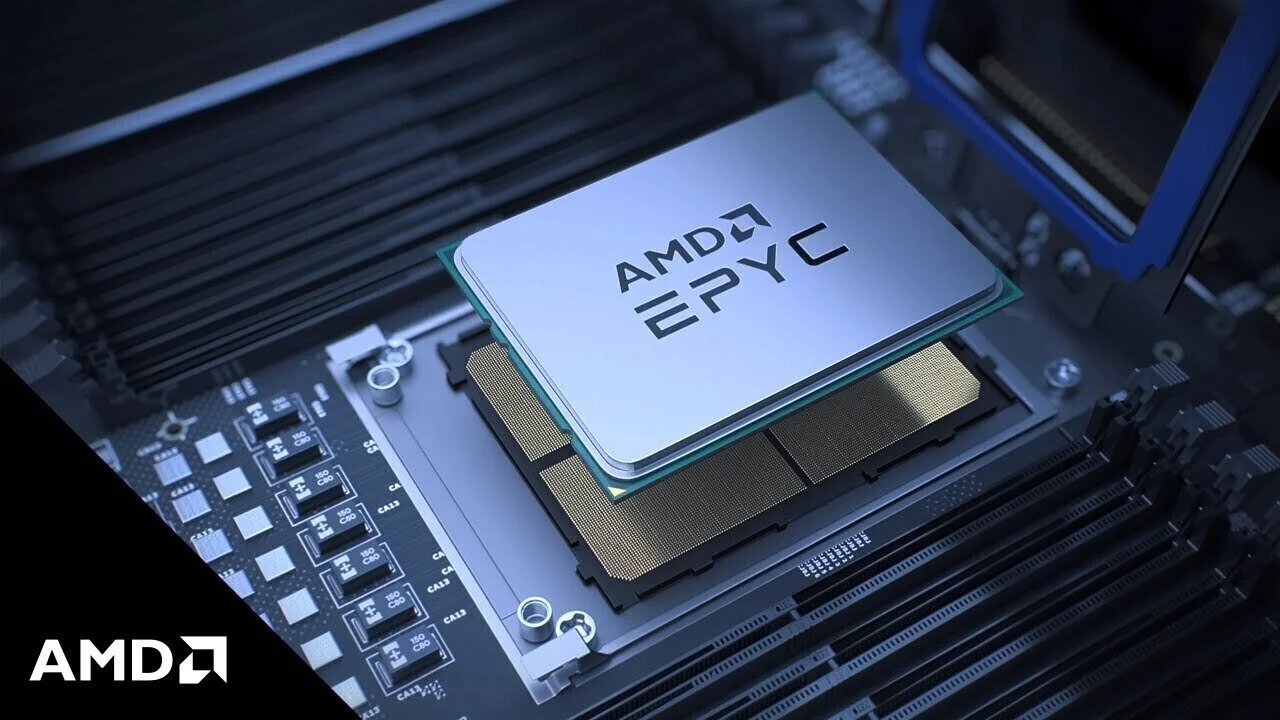
The seismic shift in the data center market has reached a critical tipping point as AMD’s EPYC processors secured a staggering 46.2% of total server CPU revenue in the first quarter of 2026. This data, sourced from the respected Mercury Research, marks an all-time high for AMD and signifies the successful execution of its long-term premiumization strategy. The most profound takeaway from this report is the massive delta between AMD’s unit market share (27.4%) and its revenue share.
This disparity indicates that while Intel may still ship more silicon by volume, AMD is winning the battle for the most lucrative and high-performance segments of the data center. A 46.2% revenue share with only a 27.4% unit share implies that AMD’s average selling prices (ASP) are significantly higher than Intel’s, reflecting the immense value that enterprise customers and hyperscalers place on the EPYC architecture. This trend is driven by a fundamental shift in Total Cost of Ownership (TCO) calculations within the cloud industry.
As power consumption and floor space in data centers become increasingly constrained, hyperscalers like AWS, Azure, and Google Cloud are prioritizing processors with higher core density and superior performance-per-watt. AMD’s chiplet-based design has allowed it to scale core counts faster than Intel’s monolithic or EMIB-based designs, making EPYC the go-to choice for high-density virtualization and AI-assisted workloads. Intel’s Xeon lineup, while still maintaining a lead in unit shipments due to legacy contracts and broad market availability, is increasingly confined to the mid-to-lower tiers of the market where margins are thinner.
In contrast, AMD has successfully captured the high-margin ‘heart’ of the AI-driven data center expansion. This financial milestone suggests that AMD’s R&D flywheel is now spinning at a pace that allows it to reinvest record profits into even more ambitious future architectures, such as the upcoming Zen 6 and Zen 7 iterations. For the semiconductor industry, this represents a permanent loss of the x86 monopoly that Intel once enjoyed.
The success of EPYC is a testament to the power of architectural agility; by focusing on the specific bottlenecks of modern hyperscalers, AMD has transformed from a distressed underdog into the financial and technical pacesetter of the server CPU world. As we look toward the remainder of 2026, the question is no longer whether AMD can survive in the data center, but how high its revenue ceiling can go before Intel finds a definitive architectural answer.