🔍 Executive Summary
- MPI Corporation has achieved a record-breaking quarter as the surge in demand for AI, HPC, and custom AI chips drives unprecedented requirements for high-end semiconductor testing and validation interfaces.
Strategic Deep-Dive
MPI Corporation, a prominent leader in the semiconductor testing equipment sector, has announced a record-breaking quarterly performance, fueled by the relentless demand for Artificial Intelligence (AI), High-Performance Computing (HPC), and custom-designed AI Application-Specific Integrated Circuits (ASICs). As global tech giants and specialized chipmakers race to increase the production of advanced silicon, the requirement for robust validation and high-precision testing interfaces has surged to unprecedented levels. MPI’s strong momentum is particularly evident in its specialized testing interface products, which are critical for ensuring the reliability and performance of complex architectures and advanced nodes.
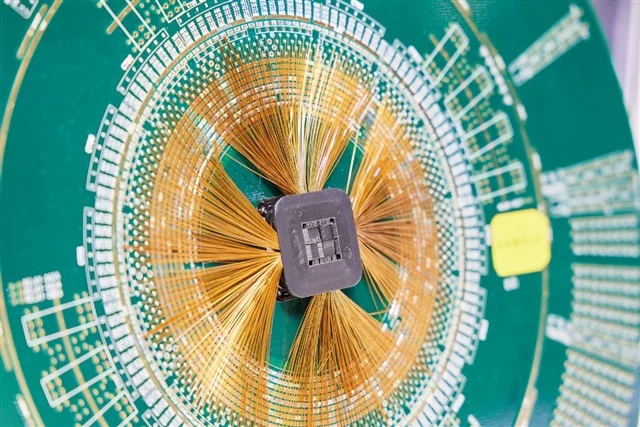
The role of AI in MPI’s growth trajectory is central and multifaceted. Unlike standard consumer-grade processors, AI chips are characterized by massive transistor counts, high thermal profiles, and intricate internal routing. These characteristics demand intensive and sophisticated testing protocols that can only be facilitated by high-end testing interfaces, such as advanced probe cards.
Senior analysts point out that MPI’s strength lies in its ability to provide these ‘consumable’ components that interface between the test equipment and the silicon wafer. This creates a recurring revenue model: as the volume of AI chips produced increases, the demand for replacement and custom-designed testing interfaces grows proportionally. The industry-wide shift toward custom ASICs by hyperscalers like Google (TPU) and AWS (Trainium/Inferentia) has further expanded MPI’s total addressable market, as each unique chip design requires a bespoke testing solution.
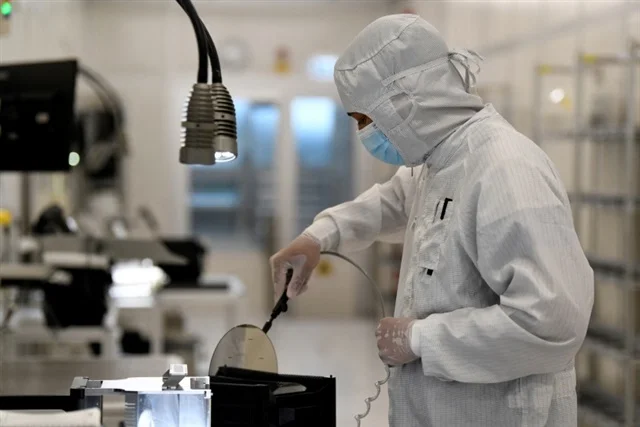
Furthermore, the ongoing evolution of semiconductor packaging—including 3D stacking and chiplet-based designs—has significantly increased the complexity of the validation process. Testing at the wafer level and during final packaging is no longer a routine step but a critical bottleneck in the supply chain. MPI’s expertise in handling the rigorous requirements of these advanced packaging technologies provides it with a significant competitive advantage.
The company is strategically positioned to capture the value created by this ‘validation boom,’ as the cost of a faulty AI chip reaching the market is prohibitively high, making high-quality testing equipment and interfaces more valuable than ever.
Looking ahead, MPI’s positioning within the global semiconductor supply chain appears increasingly strategic. As long as the AI infrastructure cycle remains in an expansionary phase, the continuous innovation in chip architectures will lead to a sustained requirement for sophisticated testing solutions. MPI is poised to remain a primary beneficiary of this trend, as the technological barriers to entry for high-precision validation are rising.
The record quarter reported by the company is not just a financial victory; it is a clear confirmation of MPI’s essential role in the AI chip production lifecycle. The firm is transitioning from a traditional equipment manufacturer to a vital enabler of AI hardware reliability, ensuring that the next generation of computing reaches the necessary standards of performance and stability.