🔍 Executive Summary
- Auras Technology reported explosive Q1 revenue growth of 110.17%, confirming that Nvidia's Vera Rubin design tweaks actually reinforce the need for advanced thermal management and liquid cooling solutions.
Strategic Deep-Dive
Auras Technology has effectively silenced market skeptics with a stellar first-quarter performance that underscores the indispensable nature of thermal management in the AI era. Reporting a 110.17% year-over-year revenue surge to NT$49.038 billion (approximately US$1.56 billion), the company has demonstrated that the ’thermal bottleneck’ is a primary driver of value in the hardware stack. As AI accelerators push the boundaries of computational density, the challenges of heat dissipation have moved from a secondary concern to a primary architectural constraint.
This is reflected in Auras’s healthy gross profit of NT$14.597 billion, pointing to the high barriers to entry in precision cooling engineering.
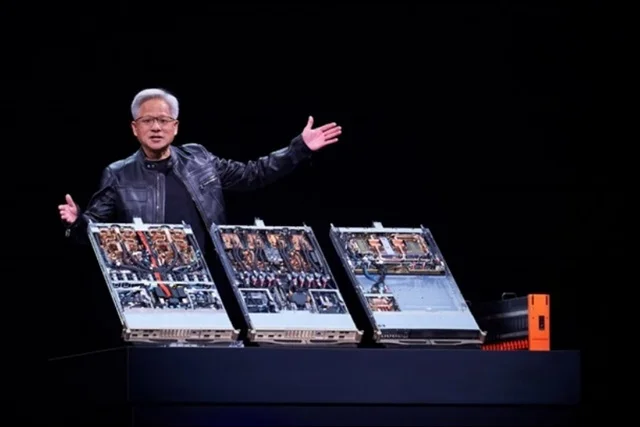
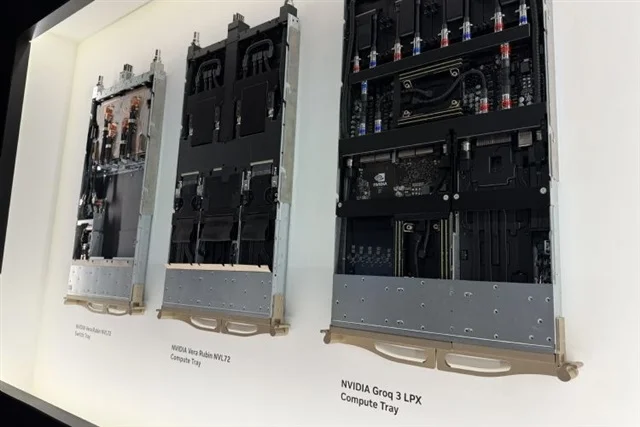
The recent controversy regarding Nvidia’s next-generation ‘Vera Rubin’ architecture—specifically rumors that design tweaks in the cooling manifold or gold-plating specifications would disadvantage Auras—has been officially dismissed by the company. From a senior systems architect’s view, these minor design adjustments are secondary to the massive shift in Thermal Design Power (TDP) requirements. The Vera Rubin platform is expected to push thermal envelopes to unprecedented levels, where traditional air cooling reaches its physical limits due to the volume of air required and the resulting noise/power inefficiency.
This necessitates a ‘Liquid Cooling Pivot.’ Auras is at the forefront of this transition, developing cold plates, coolant distribution units (CDUs), and manifold systems that are critical for maintaining the operational integrity of HBM3e-equipped GPUs.
Auras’s optimistic guidance for 2026—projecting quarter-over-quarter growth throughout the fiscal year—suggests that the AI infrastructure boom is far from over. The transition to liquid-to-liquid and liquid-to-air cooling systems represents a significant increase in the Bill of Materials (BOM) for AI servers, benefiting specialized firms like Auras. Furthermore, as data centers strive for lower Power Usage Effectiveness (PUE) ratings to meet sustainability goals, the demand for Auras’s advanced thermal solutions will only intensify.
The company is no longer just a component vendor; it is a strategic enabler of high-density computing. By securing its role in the Vera Rubin ecosystem, Auras has solidified its position against potential rivals and confirmed that technical expertise in managing extreme heat is the ‘secret sauce’ of the AI hardware gold rush. As the industry moves toward 2027, the focus will likely shift to even more exotic solutions like immersion cooling, where Auras’s current R&D is already heavily invested.