🔍 Executive Summary
- Foxconn has formalized its roadmap for Common-Package Optics (CPO) switch mass production starting in 3Q26, targeting initial volumes of 10,000 units before an expected multifold shipment surge in 2027 as AI infrastructure matures.
Strategic Deep-Dive
The Architectural Shift: Foxconn’s Strategic Pivot to CPO Technology
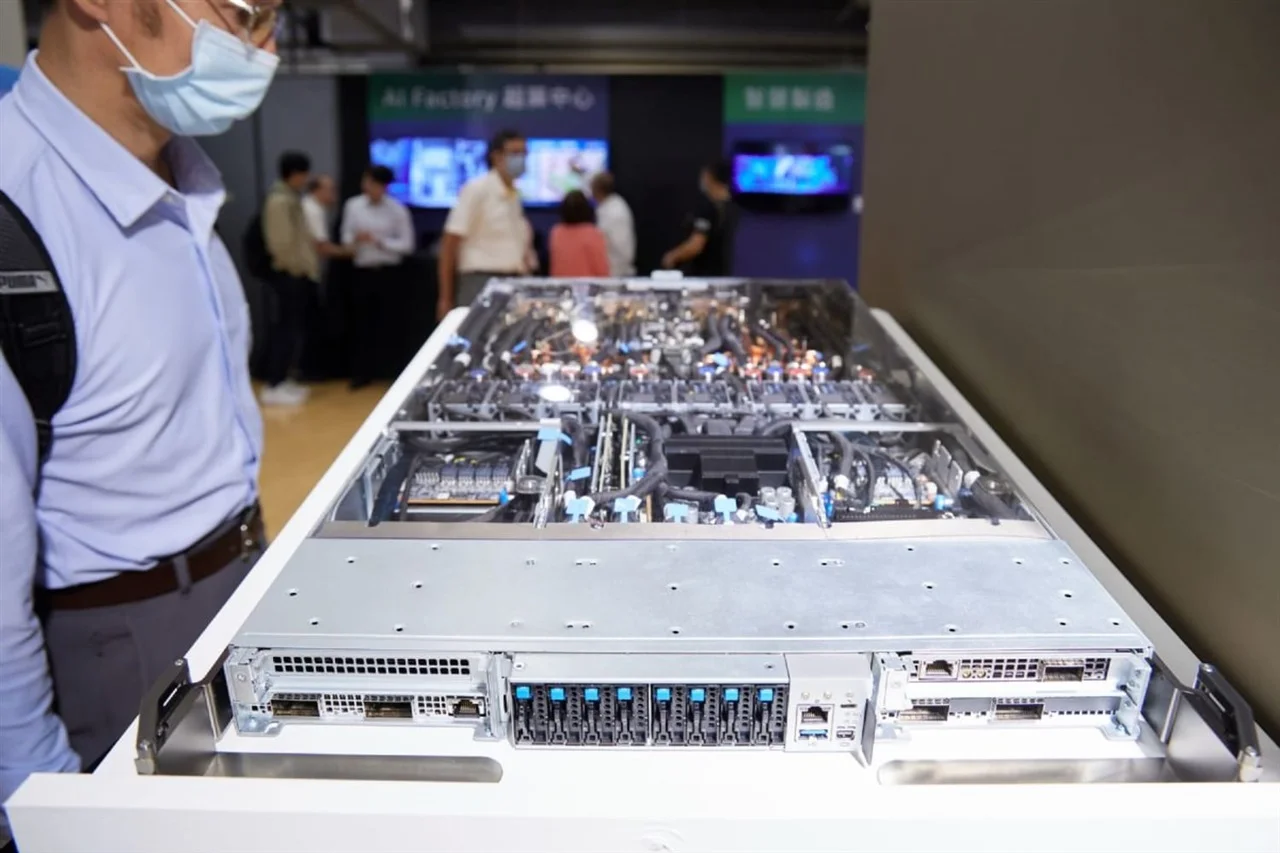
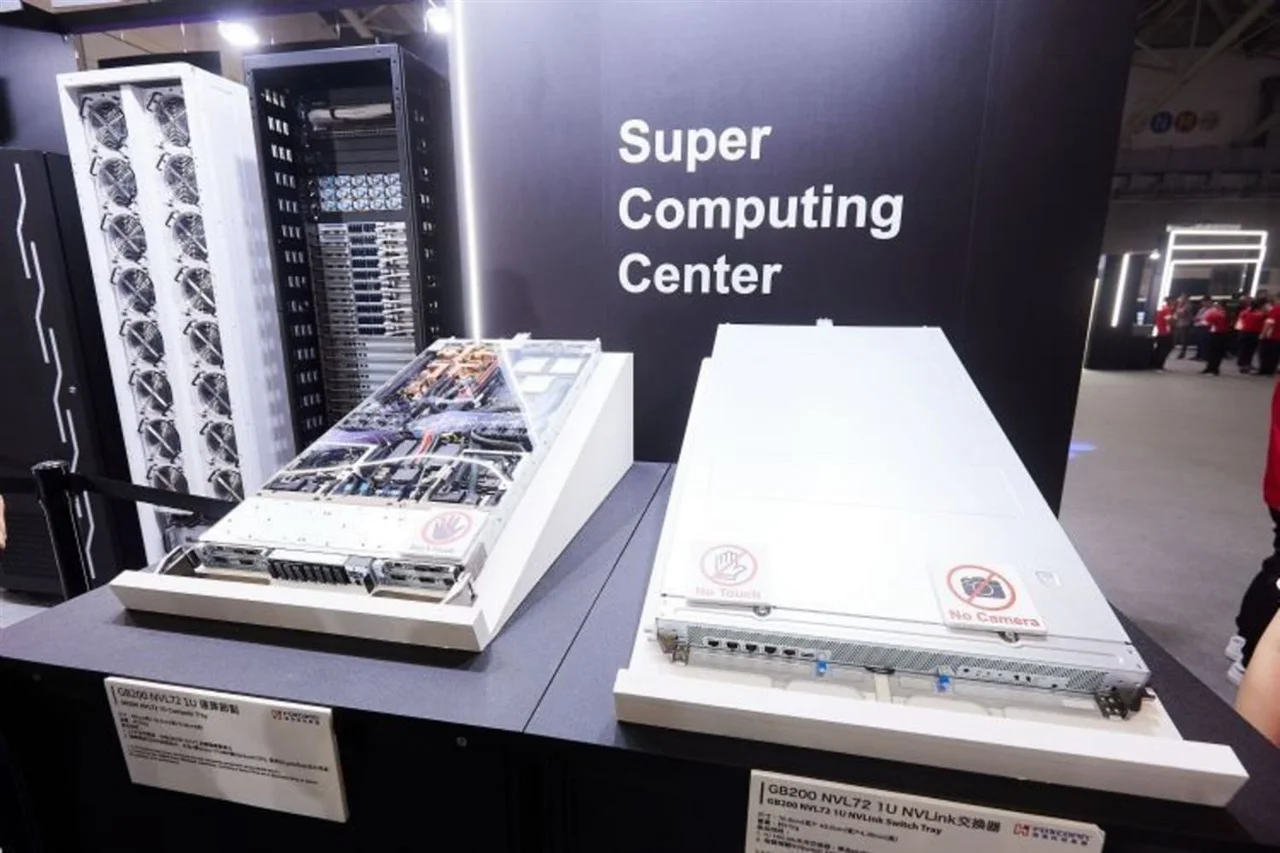
In a move that signals a definitive transition from consumer electronics assembly to high-complexity data system architecture, Foxconn announced during its May 14 online investor briefing that it has locked in the mass production timeline for its Common-Package Optics (CPO) switches. As global data centers grapple with the thermal and power constraints of traditional pluggable transceivers, Foxconn’s commitment to CPO technology positions the company at the vanguard of the next generation of high-performance computing (HPC) networking.
Production Targets and Scalability Milestones
Foxconn’s roadmap for CPO deployment is strategically phased to align with the hardware refresh cycles of major cloud service providers (CSPs). The company is scheduled to commence mass production and initial shipments in the third quarter of 2026. The preliminary annual target is set at approximately 10,000 units.
While this figure may appear modest compared to Foxconn’s smartphone volumes, in the context of high-end data center switches, it represents a significant market share of the emerging CPO segment.
More critically, Foxconn’s executive leadership highlighted a high degree of visibility into 2027, projecting that shipment volumes will expand by a multifold factor compared to the 2026 baseline. This growth trajectory is fueled by the industry-wide transition toward 800G and 1.6T networking speeds, where traditional copper and even standard pluggable optical solutions begin to hit physical limits regarding signal integrity and energy density.
Technical Context: Solving the Power Density Crisis
From a data systems architect’s perspective, the move to CPO is not merely an incremental upgrade but a fundamental redesign of the switch-to-optical interface. By integrating the optical engine directly onto the same package as the networking ASIC, Foxconn is drastically reducing the electrical trace length. This architectural change yields several mission-critical benefits:
- Reduced Latency and Power Consumption: Eliminating the need for high-power Retimers used in traditional pluggable optics leads to a substantial reduction in ‘Watts per Gbps,’ a key metric for modern green data centers.
- Increased Bandwidth Density: CPO allows for more optical ports in a smaller form factor, enabling higher radix switches that simplify data center leaf-spine architectures.
- Enhanced Thermal Management: As ASICs approach the 51.2T and 102.4T thresholds, managing the heat generated by adjacent optical modules becomes impossible with traditional cooling. CPO allows for more efficient heat dissipation strategies at the chiplet level.
Market Implications for 2027 and Beyond
Foxconn’s pivot indicates a broader trend where traditional hardware manufacturers are forced to move up the value chain. By mastering the integration of optics and silicon, Foxconn is insulating itself against the commoditization of server assembly. The projected growth in 2027 suggests that by that time, the AI infrastructure market will have moved past the experimental phase and into a broad deployment phase where networking efficiency becomes the primary competitive differentiator for hyperscalers.
As Foxconn prepares its production lines for 3Q26, the global networking supply chain must now brace for a structural shift in how high-speed data is moved and managed.