🔍 Executive Summary
- Hua Hong Semiconductor is executing a US$6 billion expansion at its Wuxi facility to capitalize on the surging demand for specialty chips in the AI and power management sectors.
Strategic Deep-Dive
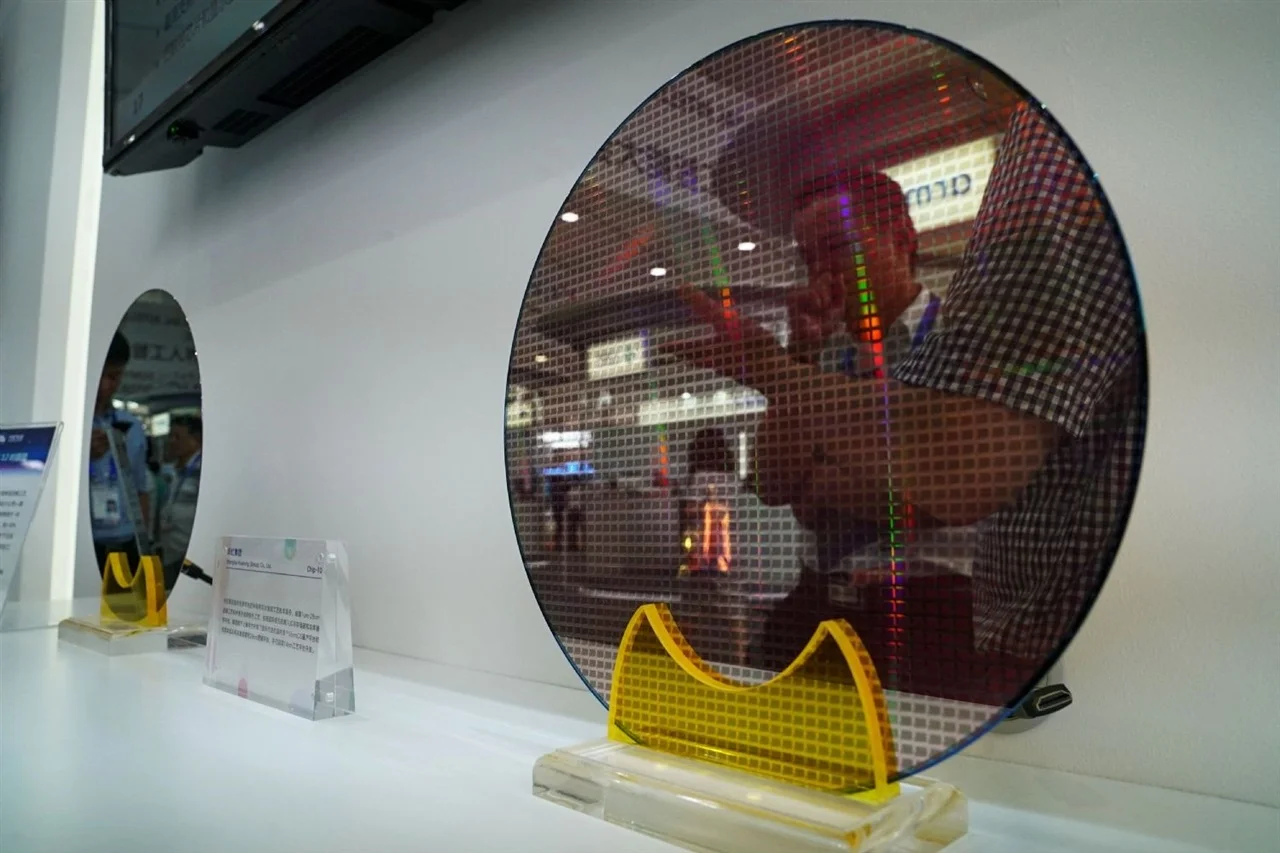
Hua Hong Semiconductor is making a decisive move to consolidate its leadership in the global foundry landscape by allocating a massive US$6 billion toward the expansion of its manufacturing hub in Wuxi. Announced during its latest earnings call on May 14, 2026, this strategic capital expenditure represents one of the most significant investments in the company’s history. The primary objective is to augment its capacity for ‘specialty technology’—a segment that has seen a dramatic increase in demand due to the global build-out of artificial intelligence (AI) infrastructure and complex power management systems.
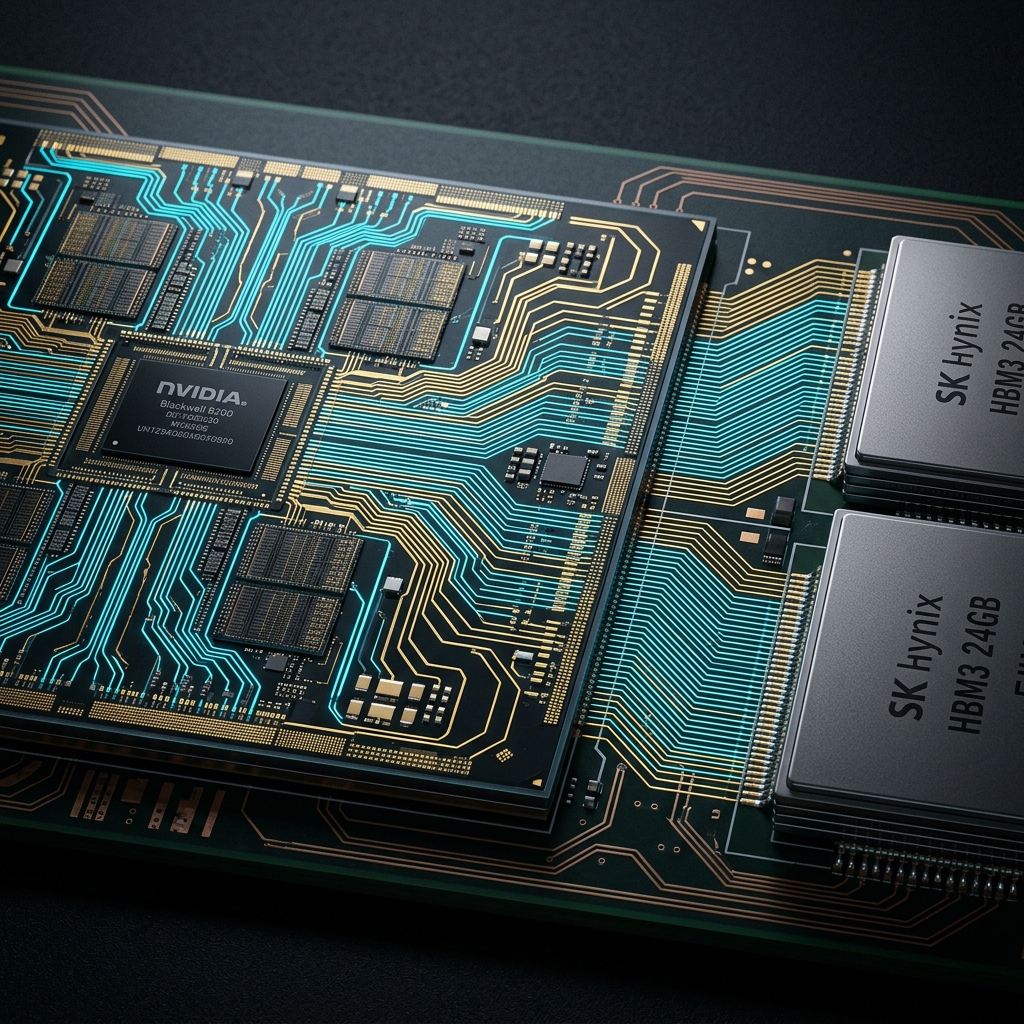
At a time when the semiconductor industry is increasingly bifurcated between leading-edge logic and essential specialty components, Hua Hong is doubling down on the latter. The Wuxi facility expansion is designed to produce a wide array of specialized chips, including power management integrated circuits (PMICs), analog sensors, and high-voltage power semiconductors. These components are the unsung heroes of the AI revolution; while high-end GPUs perform the computations, it is the specialty silicon produced by foundries like Hua Hong that ensures efficient power distribution and signal integrity across massive data center clusters.
By focusing on these high-growth applications, Hua Hong is successfully lifting its margins and insulating its business model from the cyclical volatility often associated with commodity memory or standard logic chips.
From a technical perspective, the US$6 billion investment is aimed at refining and scaling Hua Hong’s proprietary process platforms. The company highlighted that emerging applications in the automotive, industrial IoT, and green energy sectors are creating a sustained ‘pull’ for specialty technology. This expansion allows Hua Hong to alleviate existing capacity constraints, providing international and domestic clients with a reliable, high-volume production partner.
Financial analysts observe that this move is a calculated response to the global supply chain shifts, where localized production and specialty expertise are becoming key competitive advantages.
Furthermore, the Wuxi hub’s development underscores Hua Hong’s operational resilience. Despite broader geopolitical complexities, the firm has maintained a robust financial trajectory, driven by high utilization rates and a strategic pivot toward premium specialty segments. As the Wuxi facility comes online with its expanded capacity, Hua Hong is expected to capture a larger share of the global analog and power semiconductor market.
This expansion is not merely about physical scale; it is a sophisticated evolution of the company’s fiscal and technological architecture. By the end of 2026, the Wuxi hub will likely serve as a cornerstone for the next generation of power-efficient AI hardware, positioning Hua Hong as an indispensable partner in the global semiconductor ecosystem.