🔍 Executive Summary
- KIOXIA America, Inc. and Dell Technologies have achieved a new milestone in storage density, delivering a 2U server solution capable of holding 9.8 petabytes of flash storage. Utilizing 245.76 TB NVMe SSDs and AMD EPYC processors, this configuration is designed to meet the massive data demands of modern AI training and high-density data centers while drastically reducing physical footprints.
Strategic Deep-Dive
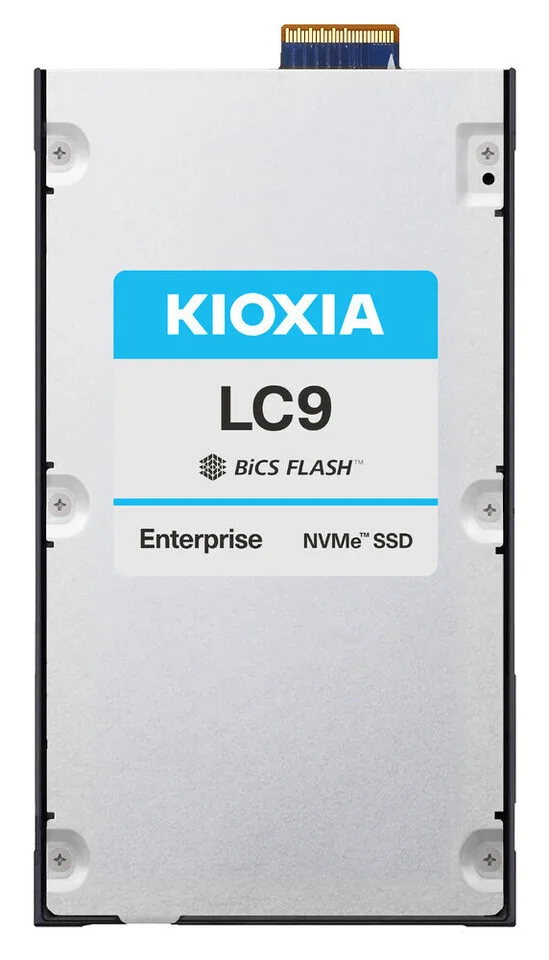
KIOXIA America, Inc., in a high-stakes strategic partnership with Dell Technologies, has announced a monumental advancement in high-density storage infrastructure that sets a new industry benchmark. The collaboration has resulted in the first-ever 2U server configuration capable of scaling to an unprecedented 9.8 petabytes (PB) of raw flash storage capacity. This milestone is achieved through the meticulous integration of the Dell PowerEdge R7725xd server platform and KIOXIA’s cutting-edge LC9 Series NVMe SSDs.
This announcement marks a critical shift in how data centers will manage the ‘data deluge’ brought on by the rapid adoption of generative AI and global enterprise digitalization.
The hardware configuration of this 9.8 PB powerhouse is a masterclass in thermal engineering and silicon density. The system utilizes 40 individual KIOXIA LC9 Series SSDs, with each drive boasting an incredible capacity of 245.76 terabytes (TB). These drives utilize the Enterprise and Data Center Standard Form Factor (EDSFF) E3.L, a ’long’ form factor specifically designed to optimize airflow and surface area for heat dissipation in high-density rack environments.
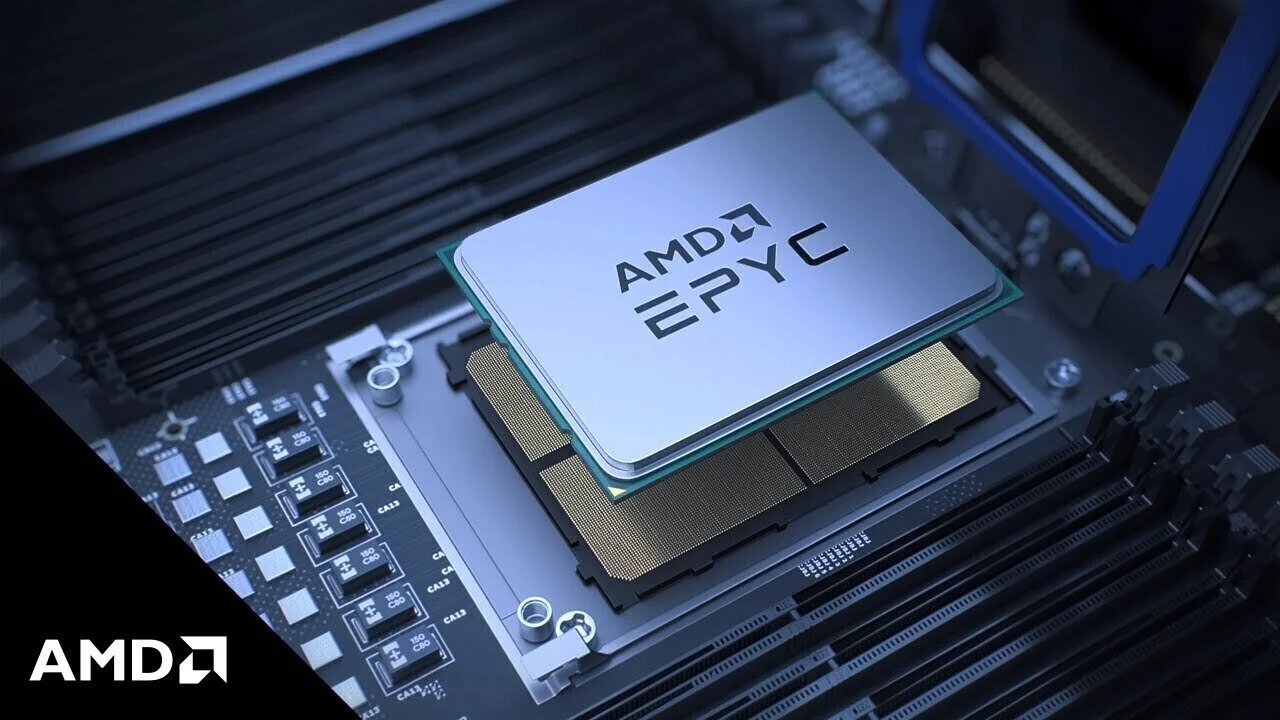
Powering this massive storage array is the Dell PowerEdge R7725xd, which leverages the latest AMD EPYC processors. The choice of AMD EPYC is pivotal here; its industry-leading PCIe lane count is essential for providing the necessary throughput to manage 40 high-capacity NVMe drives simultaneously without causing I/O bottlenecks. The synergy between the high-lane-density CPU and the high-capacity NAND allows for a seamless flow of data, which is vital for real-time analytics and Large Language Model (LLM) training.
The strategic significance of this 9.8 PB solution cannot be overstated. In the modern era of AI, storage is often the hidden bottleneck. While GPUs provide the raw compute, the ability to feed those GPUs with massive amounts of data at low latency is what determines overall training efficiency.
Traditional storage methods often lead to significant data center sprawl, requiring vast amounts of rack space, power, and expensive cooling infrastructure. By consolidating nearly 10 petabytes of data into a single 2U chassis, Kioxia and Dell are providing a direct path to drastic footprint reduction. This allows organizations to scale their AI workloads and data lakes without having to physically expand their data center floor space, leading to a much more attractive Total Cost of Ownership (TCO) and improved environmental sustainability metrics.
Moreover, the transition to 245.76 TB SSDs indicates a maturation of the NAND flash market. We are reaching a point where solid-state storage is not just a performance tier but a capacity tier that can compete with, and in many cases exceed, high-capacity hard disk drive (HDD) arrays in terms of density. As data centers continue their migration toward all-flash architectures, the Kioxia-Dell partnership offers a blueprint for the future.
The reliability of the NVMe protocol combined with the physical advantages of the E3.L form factor ensures that these systems can operate at peak performance 24/7. This system is a practical, enterprise-ready tool for any organization dealing with massive datasets, from autonomous vehicle telemetry processing to complex genomic research. As we move further into the 2020s, this 9.8 PB configuration will likely be viewed as the moment storage density caught up with the requirements of the AI age, setting a high bar for competitors in the enterprise hardware sector.