🔍 Executive Summary
- Phison Electronics has achieved record-breaking financial results for April 2026, driven by the synergistic effects of a tightening NAND flash supply and the relentless expansion of AI-driven storage demand.
Strategic Deep-Dive
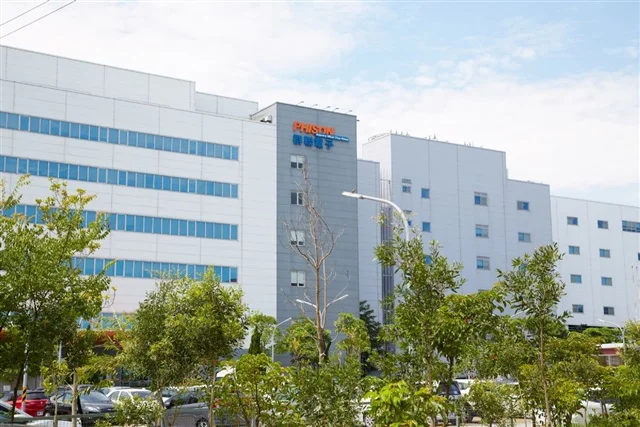
Phison Electronics, a global leader in NAND flash controllers and storage solutions, has reported an extraordinary financial performance for April 2026, reaching historic record earnings that underscore the profound impact of the Artificial Intelligence (AI) boom on the semiconductor storage sector. This surge in profitability is the direct result of a dual-force phenomenon: the unyielding expansion of AI infrastructure and a significant, structural tightening of global NAND flash supply. As these two market forces converge, they have created a ‘perfect storm’ of rising average selling prices (ASPs) and increased shipment volumes for high-margin products, allowing Phison to leverage its extensive IP portfolio to capture maximum market value.
The mechanics of this performance are deeply rooted in the current state of the memory industry. Following prolonged production adjustments and capacity reductions by major NAND flash manufacturers aimed at stabilizing prices, the sudden and massive influx of AI-driven orders has created a genuine supply crunch. AI applications, specifically Large Language Models (LLMs) and advanced data analytics platforms, require massive repositories of high-speed storage for both the training phase and real-time inference.
This has shifted the demand profile from standard consumer SSDs toward high-capacity, high-performance enterprise-grade solutions. Phison’s expertise in developing specialized NAND controllers—the ‘brains’ of the SSD—has made it an indispensable partner for server OEMs and cloud service providers who are racing to upgrade their storage backends to handle AI workloads.
Furthermore, the complexity of managing NAND flash in AI environments requires sophisticated firmware and software-defined storage strategies, an area where Phison has invested heavily. Their solutions don’t just store data; they optimize how data is accessed and moved to the processor, reducing latency and increasing total system throughput. This value-added approach has granted Phison significant pricing power during this period of supply scarcity.
Unlike previous memory cycles driven by consumer electronics, the current cycle is characterized by enterprise mission-critical demand, which is less sensitive to price but highly sensitive to performance and reliability.
Looking forward, Phison’s strategic positioning within the semiconductor ecosystem appears increasingly robust. As the industry moves toward PCIe Gen6 and beyond, the technological barriers for high-speed controller design are rising, shielding market leaders from new entrants. The current ‘supply crunch’ is expected to persist as long as AI model complexity continues to outpace new memory capacity additions.
For Phison, this represents a structural shift in their earnings potential. The record earnings of April 2026 serve as a clear indicator that the influence of AI has moved beyond computation (GPUs) and is now fundamentally altering the economics of the storage industry. Analysts should anticipate continued strength from Phison as they lead the transition to AI-optimized storage architectures globally.