🔍 Executive Summary
- Taiwan's panel industry is strategically transitioning into the MicroLED optical communication sector to solve data transmission bottlenecks in the surging AI infrastructure market.
Strategic Deep-Dive
The Taiwanese display industry, which has long grappled with the cyclical volatility of the Liquid Crystal Display (LCD) and Organic Light Emitting Diode (OLED) markets, is now undergoing a profound structural transformation. Driven by the global Artificial Intelligence (AI) infrastructure boom, major industry players are pivoting toward MicroLED optical communications. This shift represents a fundamental strategic reorientation: moving away from low-margin visual presentation hardware toward the critical high-speed data transmission infrastructure required by modern AI data centers.
The industry is effectively redefining the MicroLED not as a pixel for a screen, but as a high-frequency light source for optical interconnects.
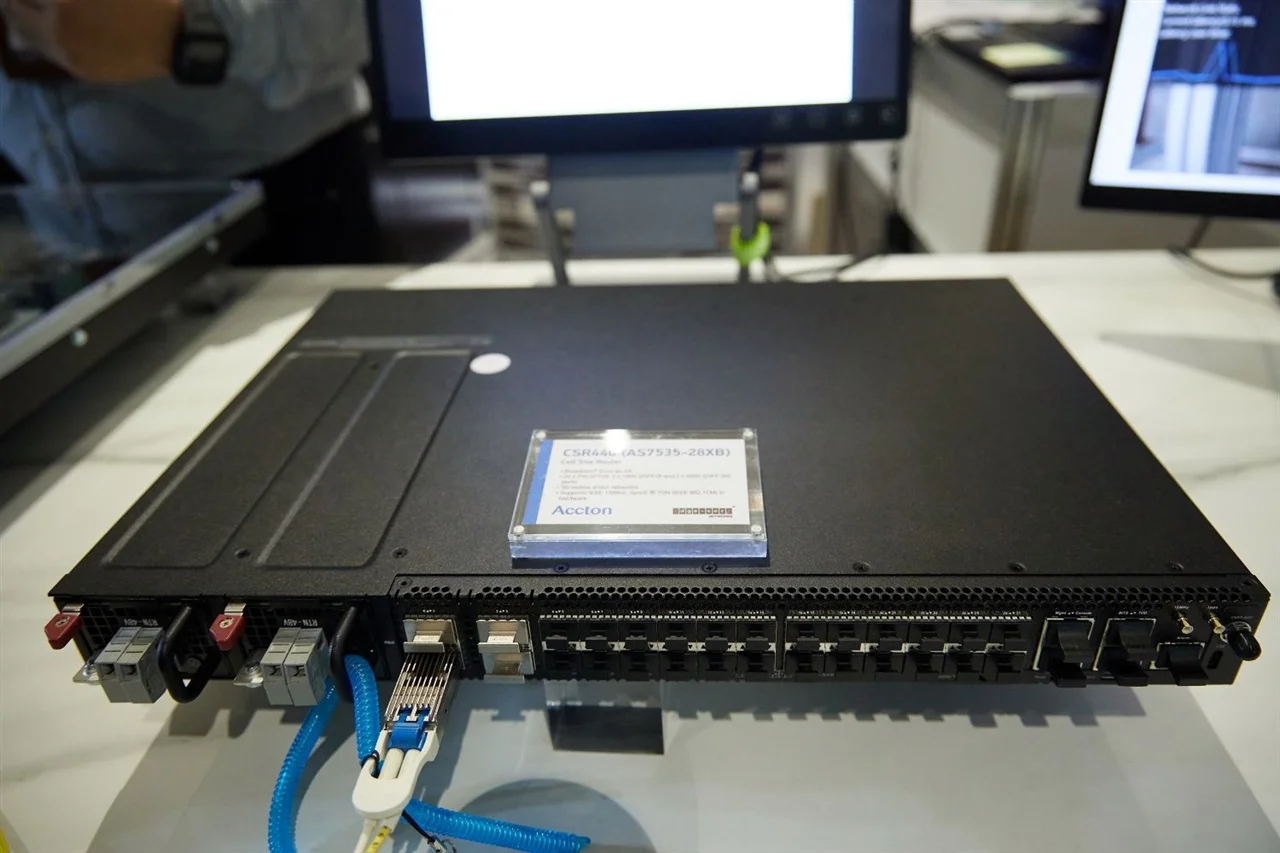
In the context of High-Performance Computing (HPC), the role of optical communication has become paramount due to the physical limitations of traditional electrical signaling. As AI models grow in complexity, the volume of data moving between processors and memory units has created a massive bottleneck. Electrical traces on printed circuit boards (PCBs) suffer from signal attenuation, electromagnetic interference, and significant heat generation at high frequencies.
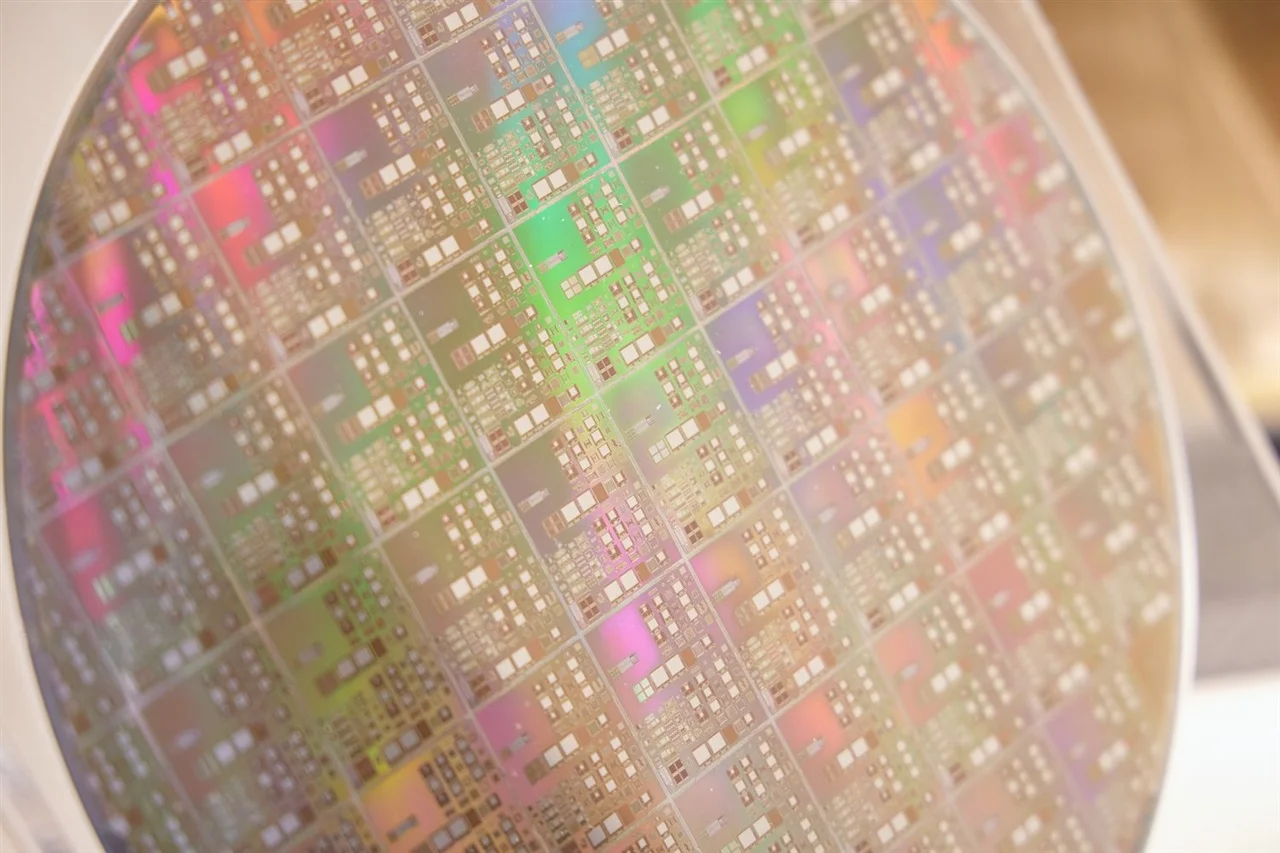
MicroLED technology offers a compelling solution. Due to their diminutive size—often measured in microns—and their capability for gigahertz-level switching speeds, MicroLEDs can be integrated into optical transceivers to facilitate lightning-fast, energy-efficient data transfer. By leveraging the inherent brightness and reliability of MicroLEDs, Taiwanese firms are developing optical backplanes that can handle the massive parallel processing requirements of AI clusters without the thermal overhead of copper-based solutions.
This transition allows the Taiwan display cluster to capitalize on its existing manufacturing expertise while entering the high-growth, high-margin realm of Silicon Photonics and Co-packaged Optics (CPO). Senior analysts view this as a proactive survival strategy; by becoming essential suppliers for the AI ‘plumbing’ that connects GPUs and specialized AI accelerators, these companies are insulating themselves from the price wars of the consumer electronics sector. Furthermore, this move creates a powerful synergy with Taiwan’s dominant semiconductor ecosystem.
The ability to manufacture both the processing units (via TSMC) and the high-speed optical interconnects (via the transformed panel industry) solidifies Taiwan’s position as the primary architect of the AI hardware era.
Looking ahead, the successful deployment of MicroLED-based optical communications could redefine the strategic value of the display industry entirely. As the world moves toward co-packaged optics, where optical engines are placed directly on the same package as the processor, the precision manufacturing skills of display veterans will be indispensable. The technical challenges, including mass transfer and wavelength consistency, are hurdles that Taiwanese firms are uniquely positioned to overcome.
This evolution ensures that the display industry remains a central pillar of global technology, not merely as a provider of screens, but as the enabler of the high-speed data fabric that powers the next generation of artificial intelligence.