🔍 Executive Summary
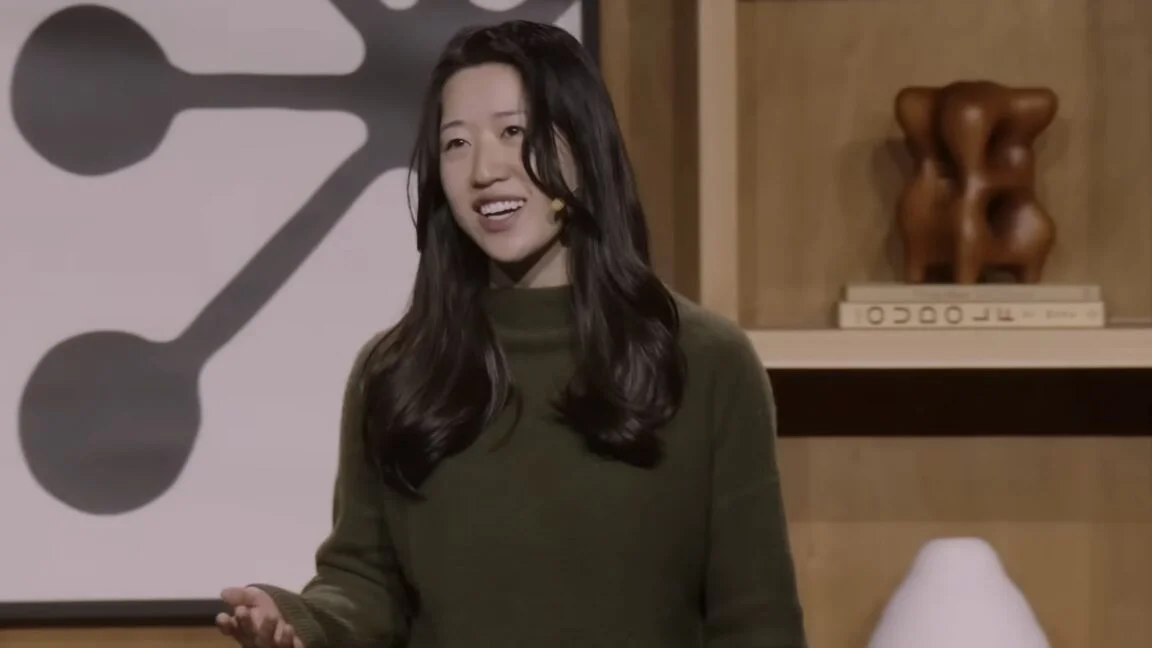
- Anthropic’s product lead Cat Wu outlined the design philosophy for Claude Code, focusing on a 'lean harness' and transparency over a rigid roadmap. The strategy emphasizes providing developers with clear visibility into AI operations while maintaining an agile, feedback-driven development cycle.
Strategic Deep-Dive
Anthropic’s approach to its AI coding assistant, Claude Code, is defined by an intentional departure from traditional, rigid product roadmaps. Cat Wu, Anthropic’s product lead, has characterized their strategy as having ’no grand plan,’ a statement that underscores an agile, design-led philosophy focused on the immediate, evolving needs of software engineers. This flexibility allows the team to pivot based on user feedback and technological shifts rather than adhering to a predetermined path.
At the center of this strategy is the ’lean harness’ concept. This framework ensures that the AI remains a streamlined, efficient tool that does not impose unnecessary complexity on the developer’s workflow. By prioritizing a ’lean’ architecture, Claude Code seeks to avoid feature bloat and keep the developer in the driver’s seat.
Furthermore, Wu emphasized transparency as a core value, particularly concerning how the system handles usage limits and data processing. In an industry where AI behavior can often feel opaque, providing clear insights into the ‘how’ and ‘why’ of the tool’s performance is essential for fostering long-term trust within the developer community.
Unlike competitors who aim for total automation, Anthropic’s vision for Claude Code focuses on visibility and interpretability. The goal is to ensure that while the AI handles the heavy lifting of code generation and debugging, the developer maintains a deep understanding of the resulting codebase. This ’transparency-first’ model is designed to empower developers, treating AI as a high-precision tool rather than a replacement for human oversight and architectural decision-making.