🔍 Executive Summary
- High-end mobile imaging hardware is experiencing a major comeback globally, led by brands like Xiaomi and their Leica partnerships. However, the US market remains largely excluded from this innovation cycle due to regulatory hurdles and carrier dominance, creating a stark geographical gap in smartphone photography capabilities.
Strategic Deep-Dive
The Return of the Optical King: Hardware over Algorithms
For years, the smartphone industry relied on the crutch of computational photography—using software to mask the physical limitations of tiny sensors. However, we are now witnessing a hardware-driven renaissance. The ‘camera phone’ is no longer a marketing gimmick but a distinct category of mobile devices built around professional-grade optics.
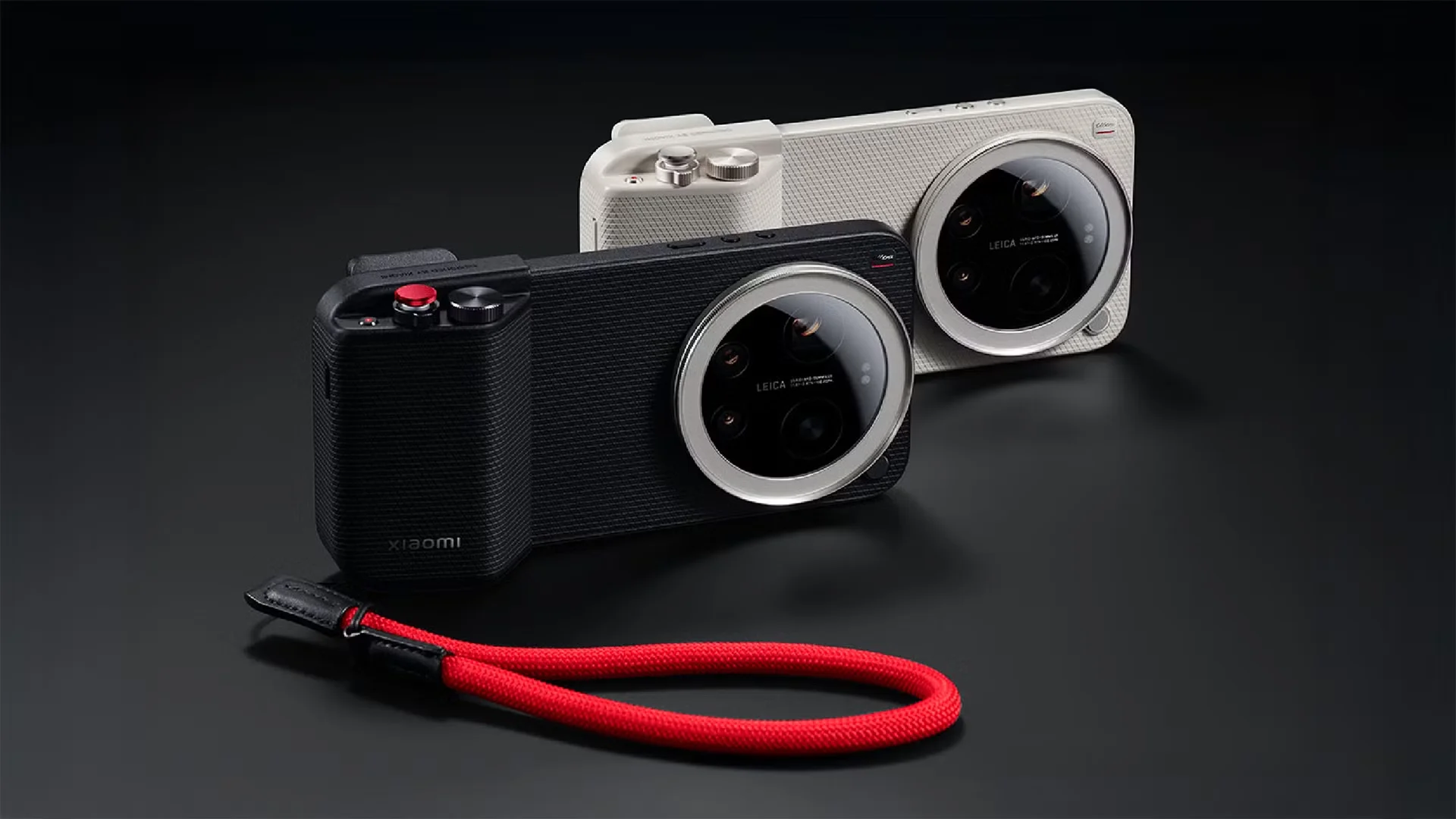
Leading the charge is the Xiaomi 17 Ultra Leica Edition, a device that challenges the optical axis of traditional DSLRs. By integrating a true 1-inch sensor and Leica-tuned variable aperture systems, it offers a level of natural bokeh and dynamic range that no amount of AI post-processing can truly replicate.
The US Market: An Island of Stagnation
While the global market enjoys a buffet of specialized imaging hardware, the United States has become a desert of innovation in this sector. The dominance of carrier-controlled distribution and high regulatory barriers has created a ‘fortress’ that excludes disruptive global players. Consequently, American consumers are trapped in a duopoly that prioritizes incremental hardware updates and ecosystem lock-in over raw imaging performance.
Innovations like multi-stop variable apertures and dual-periscope telephoto arrays—commonplace in high-end Asian flagships—remain elusive to the average US buyer.
The Engineering Gap and Supply Chain Exclusion
From a senior analyst perspective, this exclusion is rooted in the complex interplay of geopolitical tensions and supply chain logistics. Global manufacturers prioritize markets with lower entry barriers and high demand for hardware-first innovation, such as Western Europe and Southeast Asia. This leaves the US market with devices that are often a generation behind in terms of raw sensor size and optical clarity.
Furthermore, the lack of exposure to Leica-tuned color science and professional-grade RAW processing capabilities on mobile devices hinders the growth of a sophisticated mobile creator economy in the States. Unless there is a significant shift in market dynamics or a relaxation of carrier grip, the US will continue to watch from the sidelines as the rest of the world participates in the greatest leap forward in mobile photography history. The ‘comeback’ of the camera phone is real, but for now, it’s a party to which American consumers aren’t invited.