🔍 Executive Summary
- Physical keyboard phones are making a strategic comeback via niche manufacturers like Unihertz. Catering to a demographic that prioritizes tactile feedback and high-accuracy productivity, these devices represent a 'Tactile Tech' movement that rejects the homogenization of glass-only interfaces.
Strategic Deep-Dive
The Tactile Tech Movement: Beyond the Glass Barrier
In an era where smartphone design has converged into a singular, glass-slab aesthetic, a quiet rebellion is taking place. The ‘Tactile Tech’ movement is gaining traction among users who find the haptic-only feedback of modern screens insufficient for high-stakes productivity. The physical keyboard, once thought extinct after the fall of the original BlackBerry, is being resurrected by niche manufacturers who understand that for a specific subset of users, ’nothing beats a button.’ This isn’t just about nostalgia; it’s about the mechanical precision and sensory feedback that only a physical QWERTY layout can provide.
Specialized Tools for Power Users
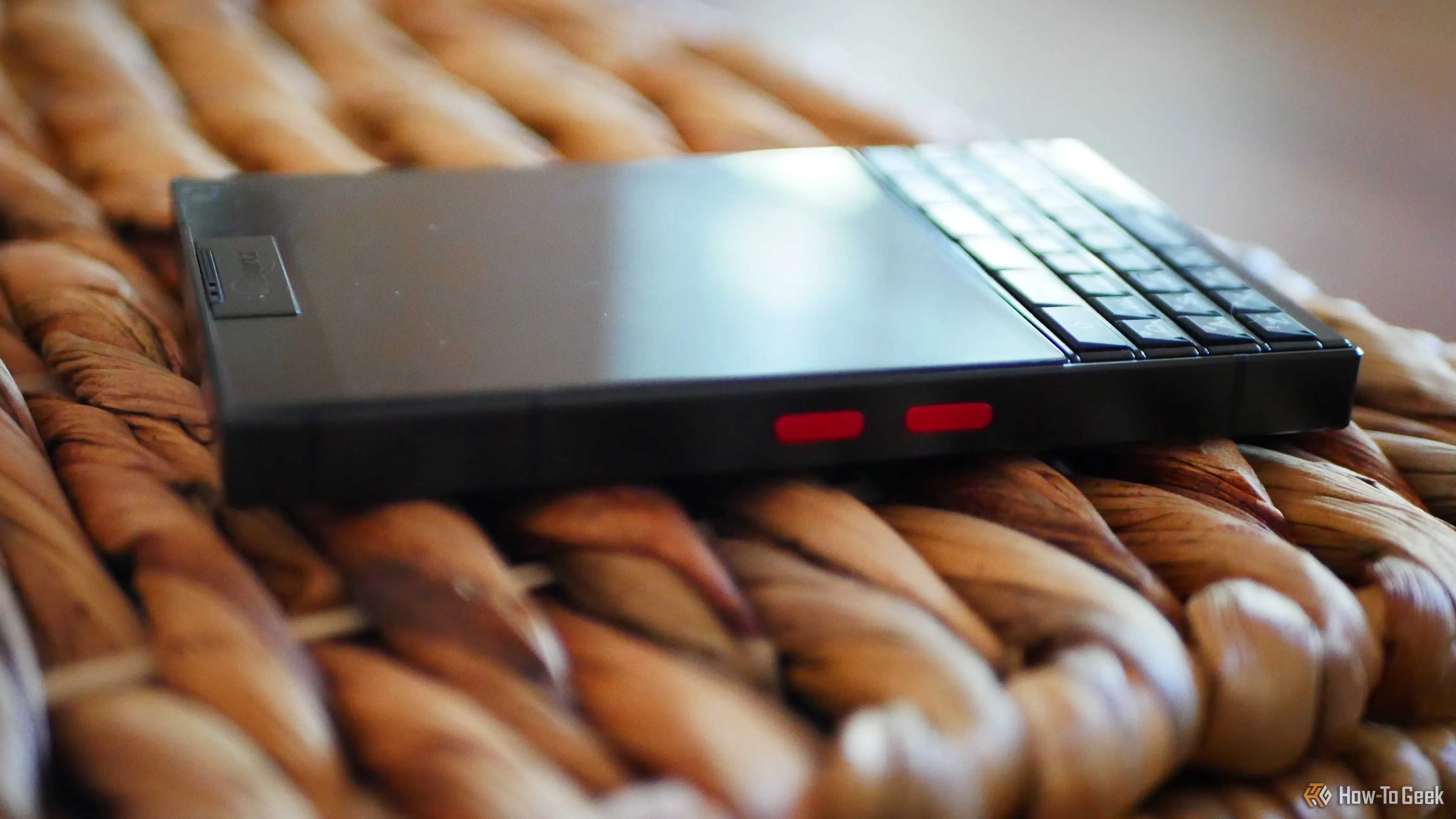
Brands like Unihertz have successfully carved out a sanctuary for physical keys with their Titan series. From a data analyst’s perspective, these devices serve a distinct utilitarian purpose. For professionals who manage terminal commands, extensive email correspondence, or field data entry, the tactile separation of keys significantly reduces input latency caused by autocorrect errors and visual confirmation.
The Unihertz Titan 2, with its ruggedized chassis and clicky, well-spaced keyboard, offers an input reliability that is functionally superior to the best software keyboards in specific contexts.
The Resurgence of Functional Diversity
The enduring appeal of the physical keyboard suggests a broader trend in consumer hardware: the rejection of universal conformity. As major OEMs continue to remove physical features—from headphone jacks to buttons—niche companies are finding success by putting them back. These ‘Tactile Tech’ devices are not meant for the mass market; they are specialized tools designed for high-accuracy tasks.
This cyclical trend reinforces the idea that human-centric design must account for the physical senses. While glass is versatile, it is often sterile. The mechanical click of a button provides a cognitive link between action and result that touchscreens struggle to emulate.
As long as productivity remains a core pillar of the mobile experience, the physical keyboard will remain a vital, albeit niche, hardware category. The revival of the QWERTY phone is a testament to the fact that in technology, sometimes the most ‘advanced’ step forward is a return to what worked best.