🔍 Executive Summary
- OnePlus has initiated a strategic withdrawal from Best Buy's physical retail network, signaling a decisive shift toward SKU rationalization and high-margin direct-to-consumer digital channels amidst parent-company restructuring.
Strategic Deep-Dive
The Erosion of Third-Party Viability in US Retail
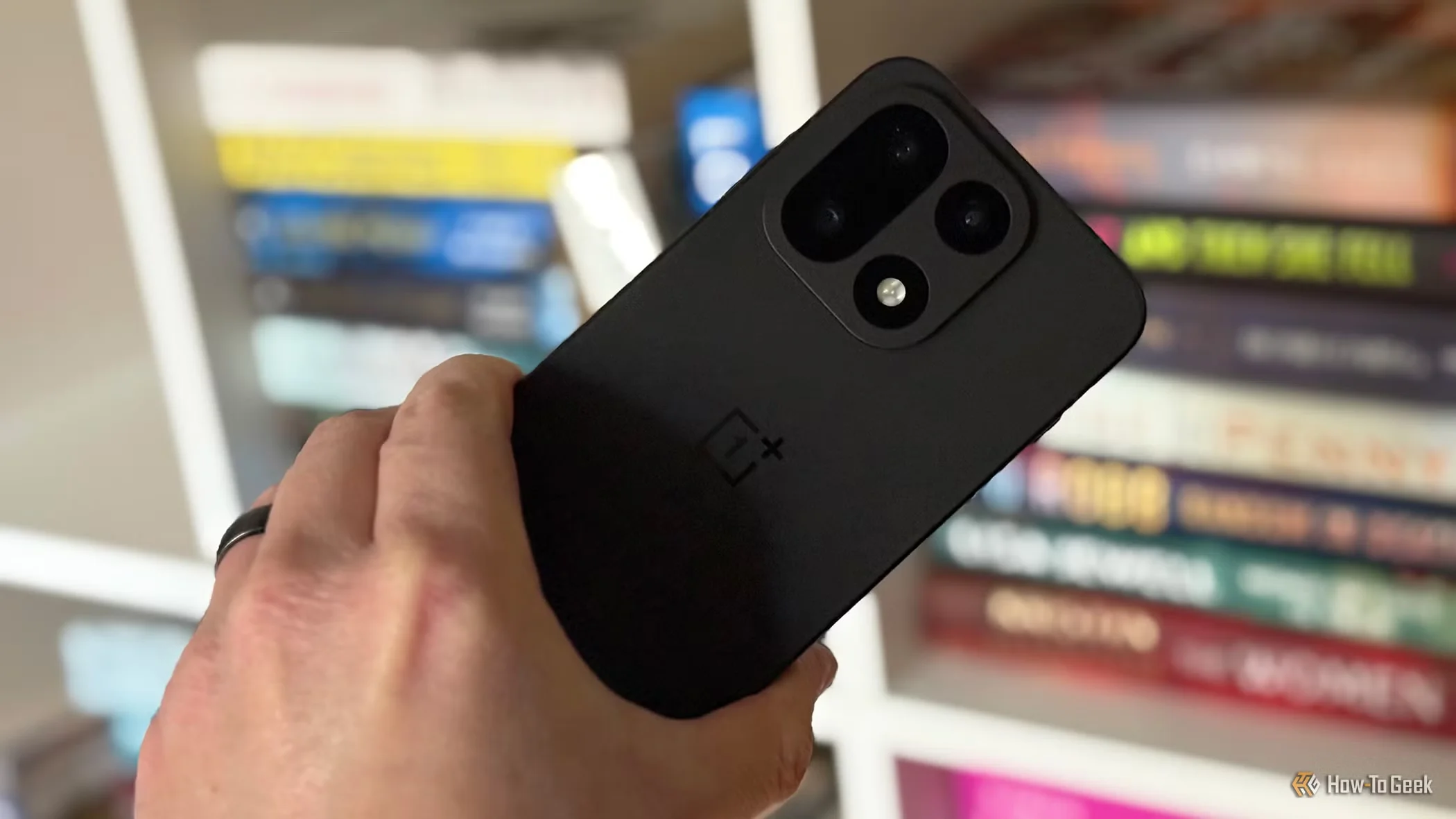
The landscape of the United States smartphone market is witnessing a tectonic shift as OnePlus begins its systematic disappearance from Best Buy shelves. This retreat, confirmed by internal retail audits, represents more than a simple contract termination; it is a calculated contraction of a brand that once sought to challenge the Samsung-Apple duopoly. For over half a decade, OnePlus utilized Best Buy as its primary bridge to the average American consumer, providing the physical infrastructure necessary for brand discovery.
The withdrawal marks a definitive pivot toward a lean, potentially digital-only distribution model, driven by a parent company mandate for immediate operational efficiency over long-term market share expansion.
Competitive Context: The Death of the ‘Flagship Killer’ Ambition
Historically, OnePlus occupied a unique ‘Goldilocks’ zone—offering high-end specifications at mid-tier price points. However, as the parent organization (Oppo/BBK) consolidates its global supply chain, the overhead costs of maintaining inventory in big-box retail environments have become untenable. In the US, the smartphone market is notoriously difficult to penetrate without massive carrier subsidies or a ubiquitous retail presence.
By exiting Best Buy, OnePlus is effectively surrendering its position as the leading ‘alternative’ choice for consumers who wish to bypass the standard carrier-locked ecosystems. This move occurs at a time when Google’s Pixel series has successfully captured much of the mid-to-high-tier oxygen, leaving little room for a brand without a physical footprint to demonstrate its hardware quality.
Data-Driven Strategy: Transitioning to DTC Models
From a data architecture perspective, the shift to a Direct-to-Consumer (DTC) model allows OnePlus to own the entire customer journey data, from initial click to post-purchase support. While losing the high-volume traffic of Best Buy, the brand will now capture more granular 1st-party data, allowing for highly targeted marketing and better margin control. However, this strategy carries the inherent risk of ’niche-ification.’ In a market where 90% of consumers prefer to touch and feel a device before purchasing a $1,000 product, the lack of a demo unit at a national retailer like Best Buy creates a significant barrier to entry for new customers.
The brand is now essentially betting that its existing ‘Red Cable Club’ community and online enthusiasts can sustain its US presence without the benefit of impulse buys or retail associate recommendations.
Future Outlook: A Bipolar Market Structure
Looking ahead, the exit of OnePlus from mainstream retail reinforces the increasingly bipolar nature of the US smartphone industry. We are likely to see a further consolidation where only the top three players—Apple, Samsung, and Google—can afford the ‘shelf space tax’ of national retail. For OnePlus, the future likely involves a dual-track strategy: ultra-limited flagship releases for the enthusiast community via their web portal, and low-cost, carrier-branded devices that lack the ‘OnePlus’ premium identity.
This scaling back is a cautionary tale for other international manufacturers: without the ability to scale to a top-three position, the operational costs of the American retail landscape eventually force a retreat to the margins.