
🔍 Executive Summary

  • In a critical development for East Asian energy stability, Japan has received its first LNG shipment through the Strait of Hormuz since the recent period of de facto maritime closure. Amidst soaring insurance premiums and the operational necessity of 'naval shadowing,' this shipment marks a vital success for Japanese energy diplomacy. While the reopening provides immediate relief to national reserves, the persistent geopolitical volatility of the Middle East continues to drive Japan toward a more diversified energy strategy, emphasizing spot-market flexibility and long-term contract restructuring.

Strategic Deep-Dive

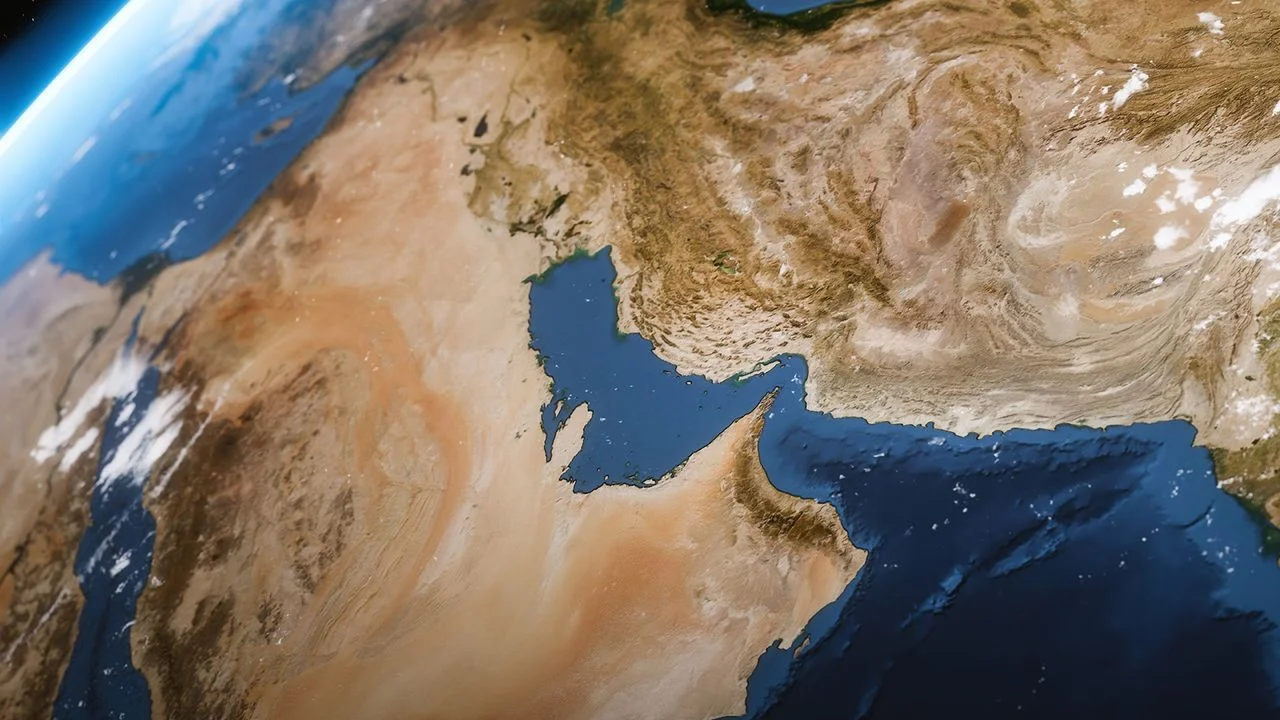
Geopolitical Risk Assessment: The Strategic Significance of the Strait of Hormuz\n\nThe Strait of Hormuz remains the world’s most critical energy chokepoint, a maritime throat through which 20% of the world’s LNG supply must pass. The recent de facto closure, driven by escalating regional tensions throughout late 2025 and early 2026, brought the Japanese economy to the brink of a systemic energy crisis. Japan, as a resource-poor island nation, maintains a fragile reliance on Middle Eastern fossil fuels. The news on May 16, 2026, that the first LNG carrier has successfully transited the strait represents a major breakthrough. This transit was not merely a matter of opening a gate; it involved a complex orchestration of maritime security, international law, and high-stakes energy diplomacy between Tokyo and regional powers. For a nation that relies on this specific corridor for the stability of its national power grid, this resumption of traffic is an existential victory.\n\n## Navigational Logistics: Insurance Premiums and Tanker Shadowing\n\nThe operational reality of this first shipment was fraught with technical challenges. During the blockade, war risk insurance premiums for the Hormuz route reached prohibitive levels, effectively grounding the merchant fleet. To facilitate this shipment, the Japanese government provided sovereign guarantees to insurers and coordinated a ’tanker shadowing’ protocol. This involved the use of specialized maritime security vessels to provide a persistent sensor umbrella and physical escort for the LNG carrier, mitigating the risk of drone strikes or limpet mine attachments. Furthermore, the vessel utilized advanced boil-off gas (BOG) management systems to remain at sea longer than usual while waiting for a safe transit window. These logistical innovations demonstrate that in 2026, energy security is as much about tactical maritime execution as it is about commodity procurement. The arrival of this vessel will immediately bolster Japan’s Strategic Petroleum Reserves (SPR) equivalent for LNG, which had fallen to critical levels during the freeze.\n\n## The Imperative of Energy Diversification and Re-gasification Flexibility\n\nWhile the immediate crisis has been averted, the long-term strategic takeaway for Japan is the fragility of its energy supply chain. The cost-benefit analysis of long-term Middle Eastern contracts is being fundamentally rewritten. While these contracts offer price stability, the geographical risk of the Hormuz Strait introduces a ‘volatility tax’ that is becoming unsustainable. In the post-2026 era, Japan is expected to accelerate its pivot toward ’re-gasification flexibility.’ This involves investing in more Floating Storage and Regasification Units (FSRUs) that can accept shipments from diverse locations like the US Gulf Coast or Australia on short notice. By increasing its spot market participation and reducing its dependence on a single maritime chokepoint, Japan aims to transform its energy infrastructure from a rigid, vulnerable system into a modular and resilient network. The resumption of flow through Hormuz provides the breathing room necessary to execute this massive structural transition without the immediate threat of blackouts.