🔍 Executive Summary
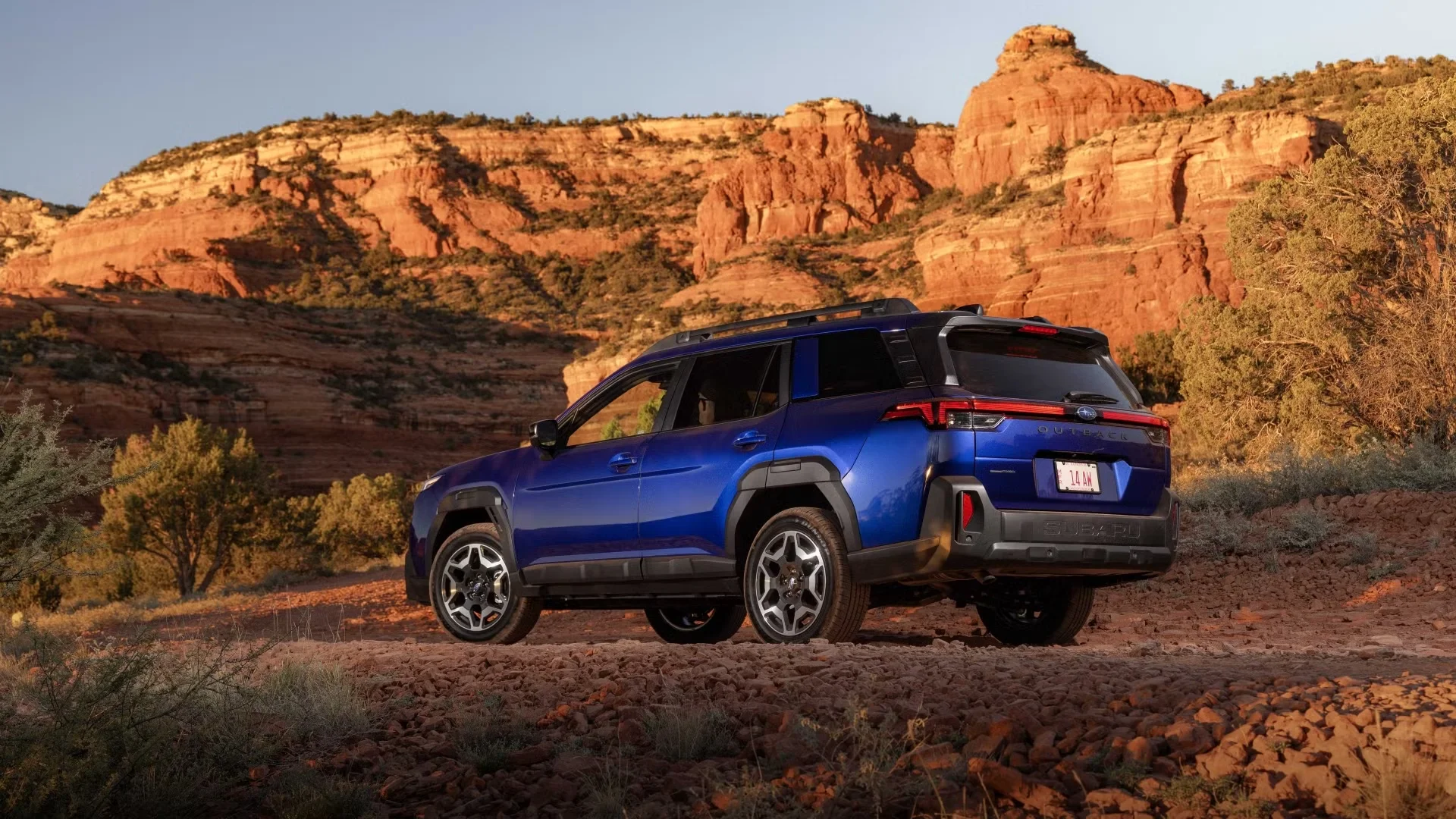
- The 2026 Subaru Outback represents a fundamental departure from the engineering 'formula' that established its cult status. By abandoning its rugged, wagon-like utility for a homogenized crossover design, Subaru risks diluting its brand equity and alienating a loyal customer base that values mechanical simplicity over tech-heavy complexity.
Strategic Deep-Dive
The Perils of Strategic Homogenization in Automotive Engineering
In the hyper-competitive automotive landscape, brand identity is more than a marketing slogan; it is a critical survival mechanism for mid-sized manufacturers like Subaru. For decades, the Outback thrived on a specific, non-conformist ‘formula’—a rugged, high-clearance wagon that offered a tangible alternative to the bloating SUV market. However, the 2026 redesign signals a radical pivot.
By drifting away from this original blueprint toward a more generic crossover silhouette, Subaru is actively eroding the brand equity it spent over thirty years cultivating. From a data systems perspective, this isn’t just a design shift; it’s a dilution of a unique product value proposition that protected Subaru’s market share.
Quantifying the Cost of Abandoning Core Features
The decision to sanitize the Outback’s design and overhaul its interior with tech-centric interfaces is creating significant market friction. Traditionally, Subaru’s core demographic—characterized by high customer lifetime value (CLV) and intense brand loyalty—prioritizes mechanical reliability and functional ergonomics. The transition to a more ‘modernized,’ touch-dependent cabin introduces a steep learning curve and potential points of failure that clash with the brand’s ‘reliable partner’ image.
When a niche brand decides to compete on the same playing field as giants like Toyota or Honda by offering a homogenized product, it loses its primary defensive moat. Subaru lacks the manufacturing scale to win a war of attrition in the generic SUV segment; its strength was always in its specificity.
The Financial Risk of Identity Dilution
Analyst reports suggest that the shift toward a tech-heavy, generic SUV format could be ‘costing Subaru’ dearly in terms of future market positioning. By removing the unique physical controls and the wagon-specific utility that defined the brand, Subaru is effectively entering a race to the bottom. In a world where vehicles are increasingly viewed as commoditized hardware platforms, the ‘original formula’ was Subaru’s only defense against price-based competition.
The departure from mechanical simplicity also raises concerns about long-term maintenance complexity and thermal throttling of integrated systems, further alienating the rugged, outdoorsy user base.
Ultimately, the 2026 Outback serves as a cautionary tale for the industry. Modernization should be an evolution of a brand’s DNA, not a replacement for it. By chasing a broader, more fickle demographic at the expense of its heritage-driven engineering, Subaru risks becoming a generic participant in a market that rewards specialists.
The loss of the ‘Outback formula’ may lead to a permanent erosion of the brand’s cult status, transforming a leader of a niche into a follower of a trend.