🔍 Executive Summary
- 미국 정부가 수출을 승인한 엔비디아 H200 AI 칩을 중국이 돌연 거부하며 자국산 칩으로 선회하고 있습니다. 이는 미국의 규제를 우회하는 ‘성능 제한 버전’을 구매하는 대신, 성능이 다소 낮더라도 자국 중심의 ‘폐쇄적 AI 생태계’를 강화하여 장기적 자급자족을 꾀하려는 고도의 전략적 포석입니다.
Strategic Deep-Dive
Geopolitical Trade Barriers and the Rise of Chinese “Self-Sanctioning”
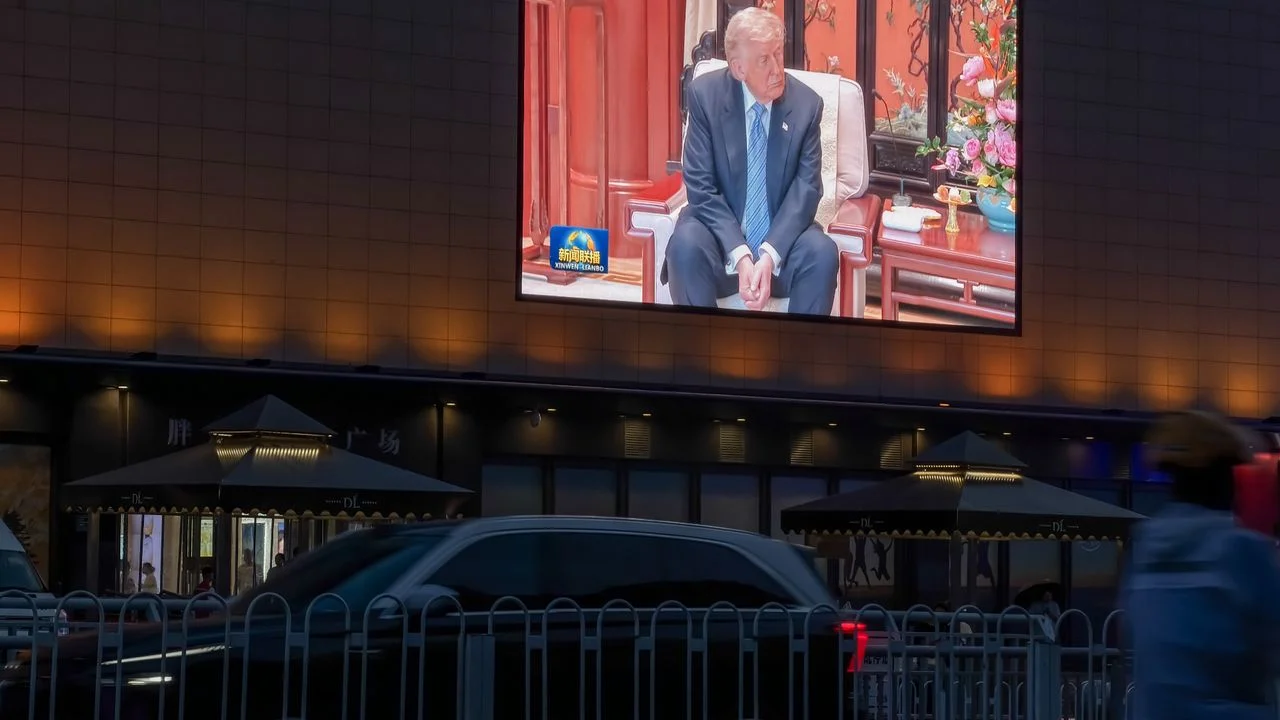
President Donald Trump has highlighted a significant shift in the AI hardware landscape, stating that Beijing is actively blocking Chinese companies from acquiring Nvidia’s H200 AI chips. This move occurs despite these specific products being approved under current U.S. export regulations.
The refusal to purchase authorized H200 units indicates that the geopolitical conflict has moved beyond U.S.-imposed restrictions into a phase of Chinese-led “self-sanctioning.” By effectively walling off its domestic market from Western influence, China is attempting to insulate its tech sector from future American policy shifts while fostering a completely independent supply chain.
The Regulatory Paradox and Ecosystem Lock-in
For Nvidia, this development represents a massive risk of “revenue cannibalization” in one of its most vital geographic segments. By refusing to buy the “nerfed” or downgraded versions of U.S. chips, Beijing is forcing local enterprises to optimize their software stacks for homegrown AI accelerators.
This strategy aims to create a domestic “ecosystem lock-in,” where Chinese companies become increasingly dependent on local GPU architectures (such as those from Huawei or Biren). This is a classic “Regulatory Paradox”: export controls designed to limit a rival’s capability are instead acting as a catalyst for that rival’s indigenous technological evolution. As a result, Nvidia’s dominance is being challenged not by a lack of innovation, but by a geopolitical mandate that is decoupling the world’s two largest AI markets, potentially leading to the emergence of a formidable Chinese competitor in the global AI silicon space.