🔍 Executive Summary
- This analysis explores five underutilized capabilities within the Home Assistant ecosystem. It encourages users to move beyond basic on/off scheduling and embrace sophisticated features like actionable notifications, Blueprints, and Assist, bridging the gap between automated logic and proactive home management.
Strategic Deep-Dive
Beyond the Dashboard: The Maturity of Home Assistant
Home Assistant has successfully transitioned from a niche hobbyist project into a world-class automation engine that rivals proprietary ecosystems like Apple HomeKit or Amazon Alexa. However, its greatest strength—extreme versatility—often leads to feature discovery issues. Many users treat Home Assistant as a glorified remote control, failing to leverage the deeper integration layers that provide true contextual intelligence.
To elevate a connected home into a genuinely smart home, users must look past the basic entities and explore five transformative features hiding in plain sight.
Five Features to Transform Your Smart Home Experience
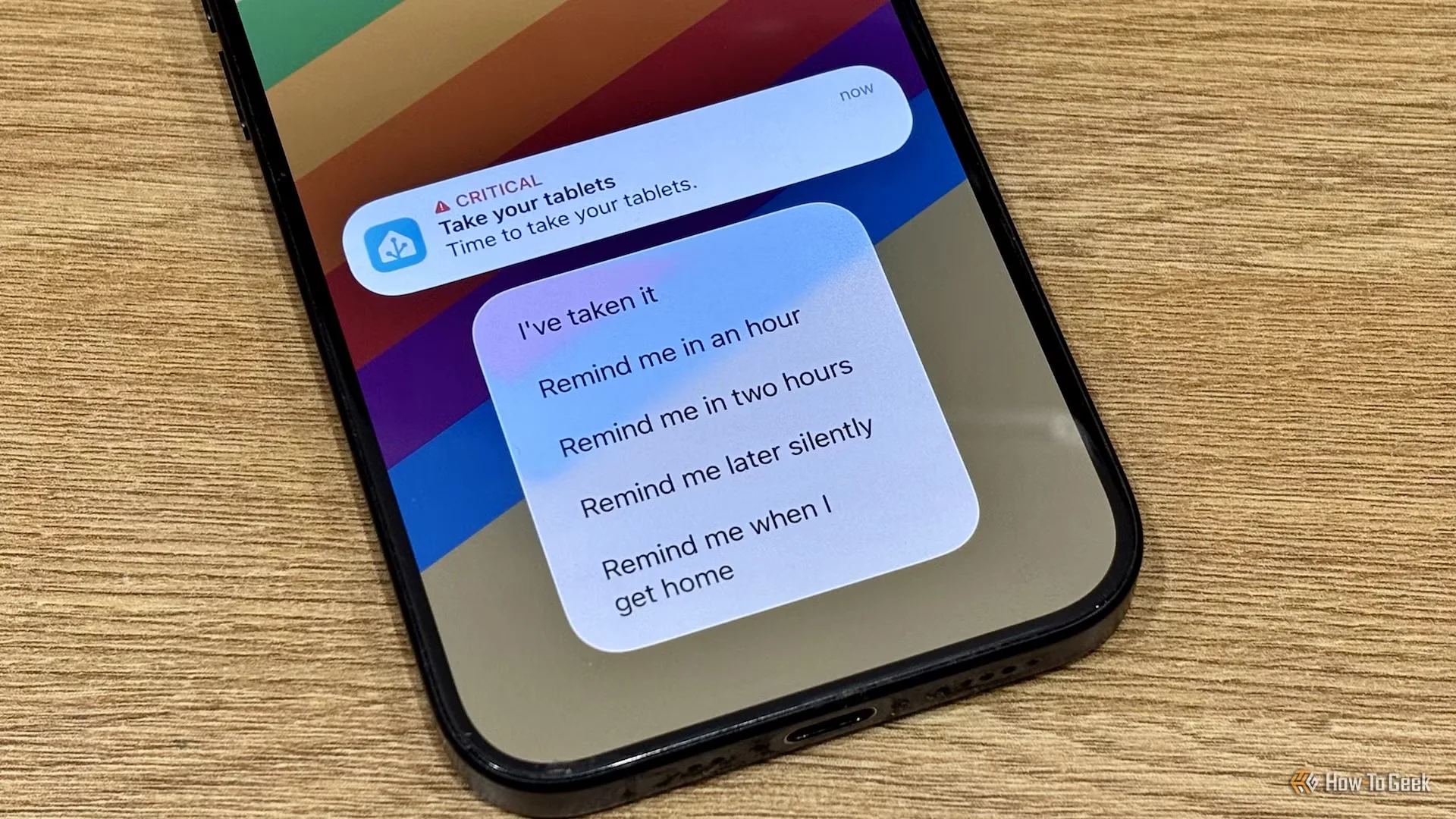
Actionable Notifications: This is perhaps the most critical bridge between human decision-making and system automation. By embedding response buttons directly into mobile notifications, users can interact with their house without the friction of unlocking their device. For instance, a medication reminder can offer ‘Taken’, ‘Snooze’, or ‘Remind in 10 minutes’ options. This feedback can then be used to trigger subsequent logic, such as updating a dashboard or logging data to a long-term database.
Automation Blueprints: For those intimidated by YAML or complex visual editors, Blueprints offer a way to share and import pre-configured automation templates. This community-driven feature allows users to deploy sophisticated logic—such as motion-activated lighting with complex timeout conditions—in seconds, ensuring that best practices are followed without reinventing the wheel.
Energy Dashboard: As sustainability becomes a focal point, the Energy Dashboard provides a centralized interface to track electricity consumption, solar production, and individual appliance usage. By integrating sensors like ESPHome-based CT clamps or zigbee plugs, Home Assistant turns into a professional-grade energy management system.
Assist (Local Voice Control): Home Assistant is making a massive push toward local voice control. Assist allows users to communicate with their home using natural language without relying on cloud-based processing. This preserves privacy and ensures that smart home functionality remains intact even during internet outages.
Template Sensors and Local Calendars: Advanced users can create virtual ‘Template Sensors’ that combine data from multiple sources (e.g., if it’s raining AND I’m not home, alert me). When paired with the Local Calendar feature, automations can become schedule-aware, allowing for different behaviors on holidays or specific work-from-home days.
The Strategic Value of User Education
The gap between a standard user and a power user in the Home Assistant ecosystem is often defined by the adoption of these features. As the platform matures, the focus must shift from adding more integrations to improving the UI/UX of these complex tools. By mastering these five features, users can reduce their cognitive load and create an environment where technology serves as an invisible, intelligent intermediary rather than a source of constant manual management.