🔍 Executive Summary
- Insiders at OpenAI are reportedly dissatisfied with Apple's integration of ChatGPT, labeling the execution as subpar and detrimental to the user experience.
- In a significant legal blow, a judge has ordered Apple to surrender internal communications regarding its secretive partnership with OpenAI to Elon Musk's legal team.
- The situation underscores the strategic and legal vulnerabilities of high-stakes AI collaborations between competing tech giants in a volatile regulatory environment.
Strategic Deep-Dive
The strategic alliance between OpenAI and Apple, once viewed as a masterstroke of market consolidation, is currently under intense scrutiny due to internal technical friction and a high-stakes judicial intervention. According to insiders cited by Ars Technica AI, there is a growing sense of frustration within OpenAI regarding the quality of ChatGPT’s integration into Apple’s operating systems. Employees have reportedly described the integration as ‘crappy,’ expressing a feeling of being ‘burned’ by the partnership.
This internal backlash points to a fundamental conflict between OpenAI’s pursuit of cutting-edge performance and Apple’s often restrictive and controlled ecosystem requirements, which may be diluting the capabilities of the underlying Large Language Model (LLM).
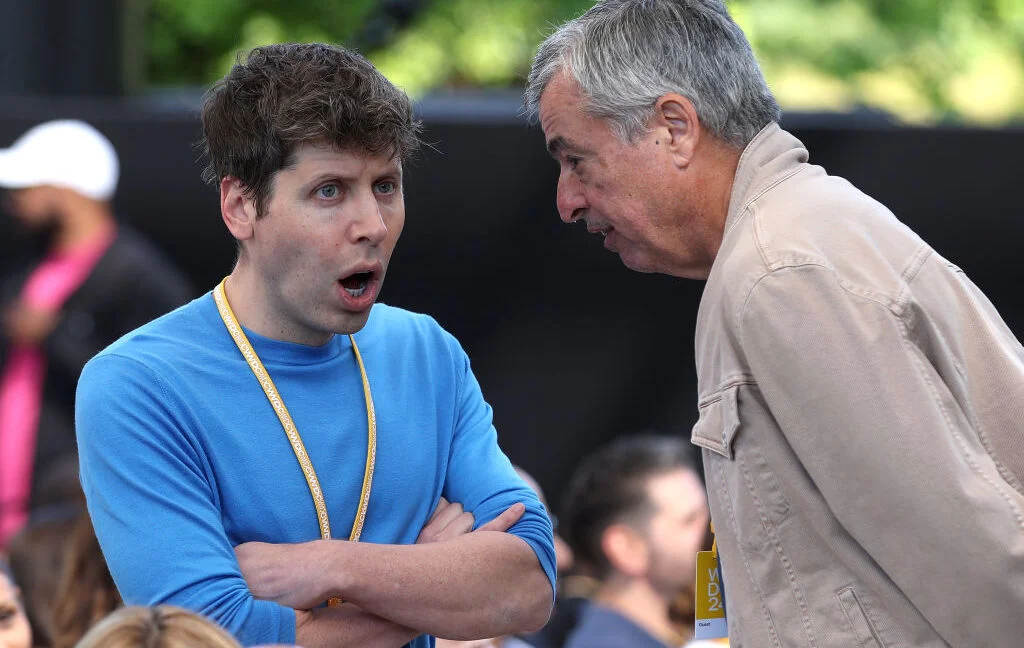
Parallel to these internal woes is a significant legal development involving Elon Musk’s ongoing litigation against OpenAI and its CEO, Sam Altman. A federal judge has recently ordered Apple to turn over internal messages discussing the secretive ChatGPT deal. This order falls under the US legal concept of ‘Discovery,’ a pre-trial procedure where parties must disclose relevant evidence to the opposing council.
For Apple and OpenAI, this is a worst-case scenario. The details of their economic arrangement, data-sharing protocols, and the strategic rationale behind the deal—which both companies have spent months shielding from the public eye—are now subject to disclosure. Musk’s legal team aims to use these documents to prove that OpenAI’s pivot toward for-profit partnerships with titans like Apple constitutes a breach of its original founding mission.
From a market perspective, the friction between these two giants highlights the inherent ‘Partnership Risk’ in the AI industry. When a research-heavy organization like OpenAI aligns with a hardware behemoth like Apple, the research lab inevitably loses control over the ‘Last Mile’ of user experience. If the integration feels sluggish or lacks the full functionality of the native ChatGPT app, OpenAI risks brand erosion.
Furthermore, the judicial order regarding internal messages opens up a Pandora’s box of ‘Discovery Vulnerability.’ In the high-stakes world of AI, where intellectual property and strategic alliances are primary assets, the inability to keep internal discussions private during litigation could deter future collaborations. If Apple’s private assessments of OpenAI—or the concessions OpenAI made to secure the deal—become public, it could recalibrate how the market values both entities. The intersection of technical integration failures and mandatory legal transparency demands creates a volatile environment.
For other AI startups, the lesson is clear: high-profile partnerships are double-edged swords that require not just technical synergy, but robust legal and operational safeguards to withstand the inevitable pressures of competition and litigation.