🔍 Executive Summary
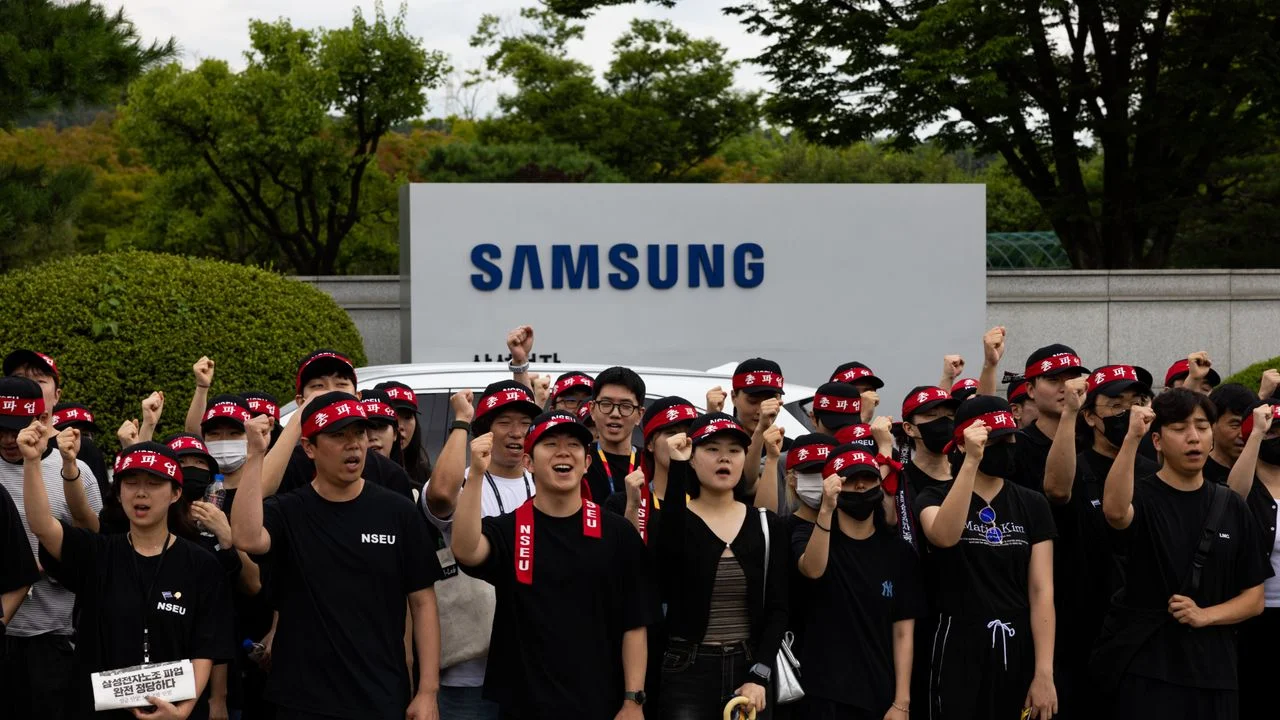
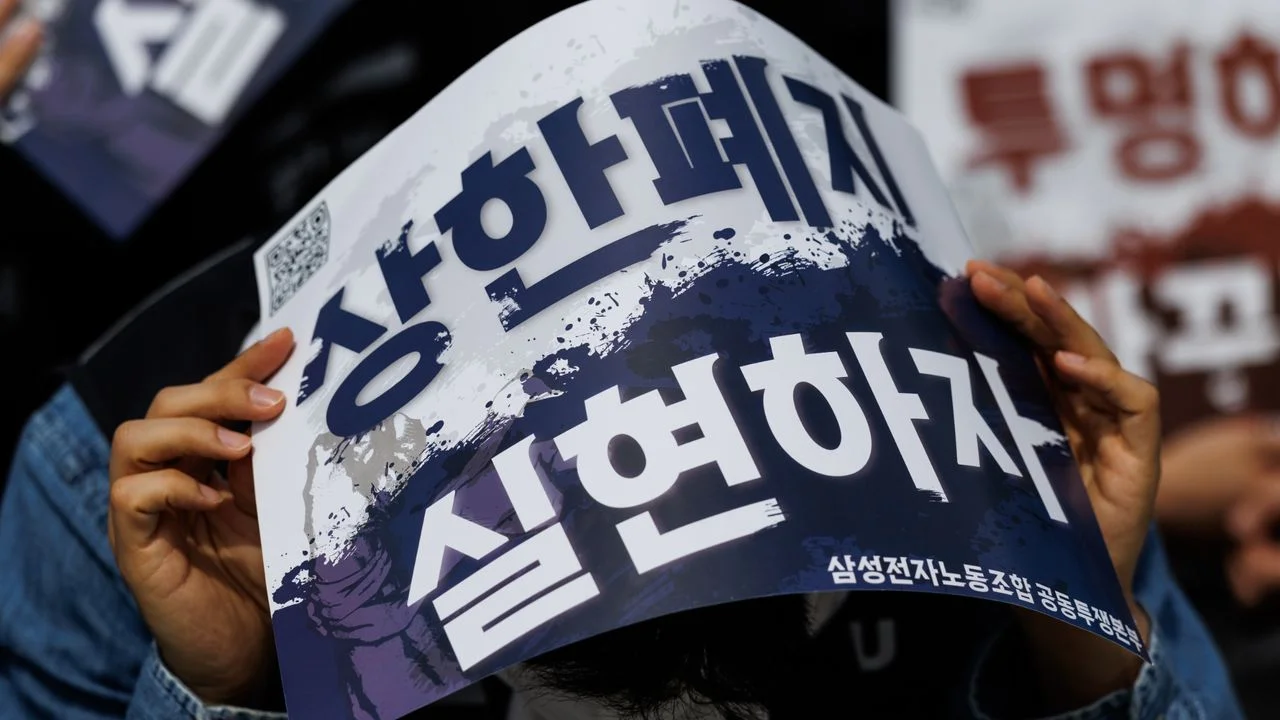
- Samsung Electronics has entered a high-stakes 'Emergency Management Mode,' throttling semiconductor production six days ahead of a planned 18-day strike. By reducing wafer inputs and placing critical lithography and etching equipment on standby, the company aims to mitigate the technical risks of an abrupt shutdown, although daily financial losses are projected to reach a staggering $2 billion, potentially benefiting rivals like TSMC and Intel.
Strategic Deep-Dive
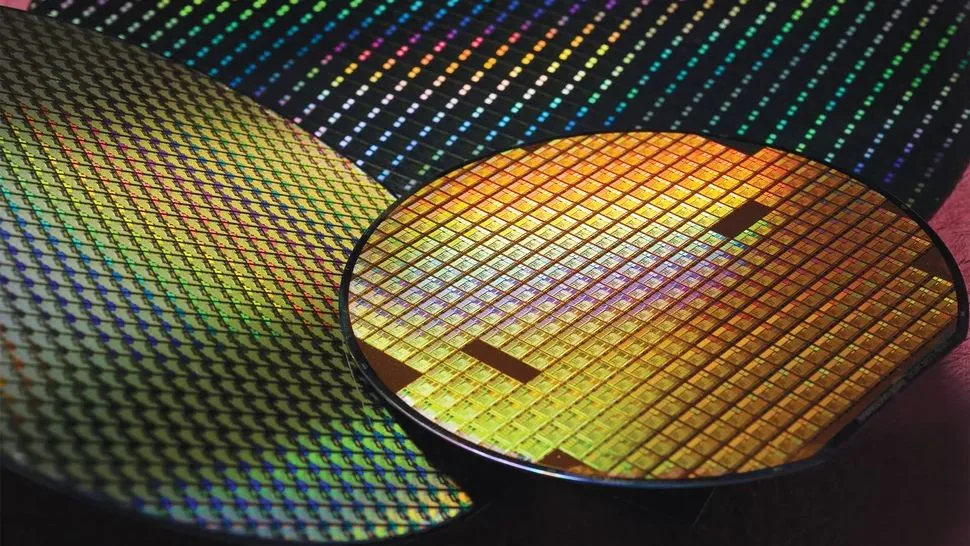
The global semiconductor industry is bracing for impact as Samsung Electronics, the world’s largest memory chipmaker, initiates a strategic wind-down of its production lines. In an unprecedented move, the company began throttling output six days ahead of a planned 18-day strike by its labor union, forcing its semiconductor division into ‘Emergency Management Mode.’ Technically, semiconductor manufacturing is a continuous, high-precision process where any unplanned disruption can result in billions of dollars in damaged silicon and lost productivity. To mitigate this, Samsung has begun cutting new wafer inputs.
By reducing the number of wafers in the pipeline, the company minimizes the volume of ‘work-in-progress’ (WIP) materials that could be ruined if cleanroom operations are compromised by labor shortages. Simultaneously, the company is placing its most critical lithography, etching, and cleaning equipment on standby. This process is exceedingly complex; for instance, Extreme Ultraviolet (EUV) light sources cannot simply be switched off.
They must be maintained in a stabilized state to prevent plasma cooling and internal contamination. From a financial perspective, the stakes are astronomical. Analysts estimate that a full production stoppage could result in daily losses of up to $2 billion.
Beyond the immediate revenue hit, the long-term implications for Samsung’s ‘foundry first’ strategy are severe. Samsung’s foundry customers, including major AI chip designers who rely on sub-5nm processes, may face critical delays, potentially triggering a ripple effect across the consumer electronics and data center markets. This instability directly benefits competitors like TSMC and Intel Foundry, who can position themselves as more reliable partners during periods of labor unrest.
Furthermore, an 18-day lull exceeds the typical inventory buffer of most global supply chains, likely leading to a spike in DRAM and NAND flash prices as buyers scramble to secure supply. Samsung’s ‘Emergency Management’ protocols are designed to keep the fabs in a state of ‘warm readiness,’ allowing for a faster restart once labor issues are resolved. However, the technical and economic scarring from such a prolonged lull remains a major risk factor for Samsung’s 2026 outlook.
The company is now walking a tightrope between managing labor relations and maintaining its reputation as a reliable global foundry leader.